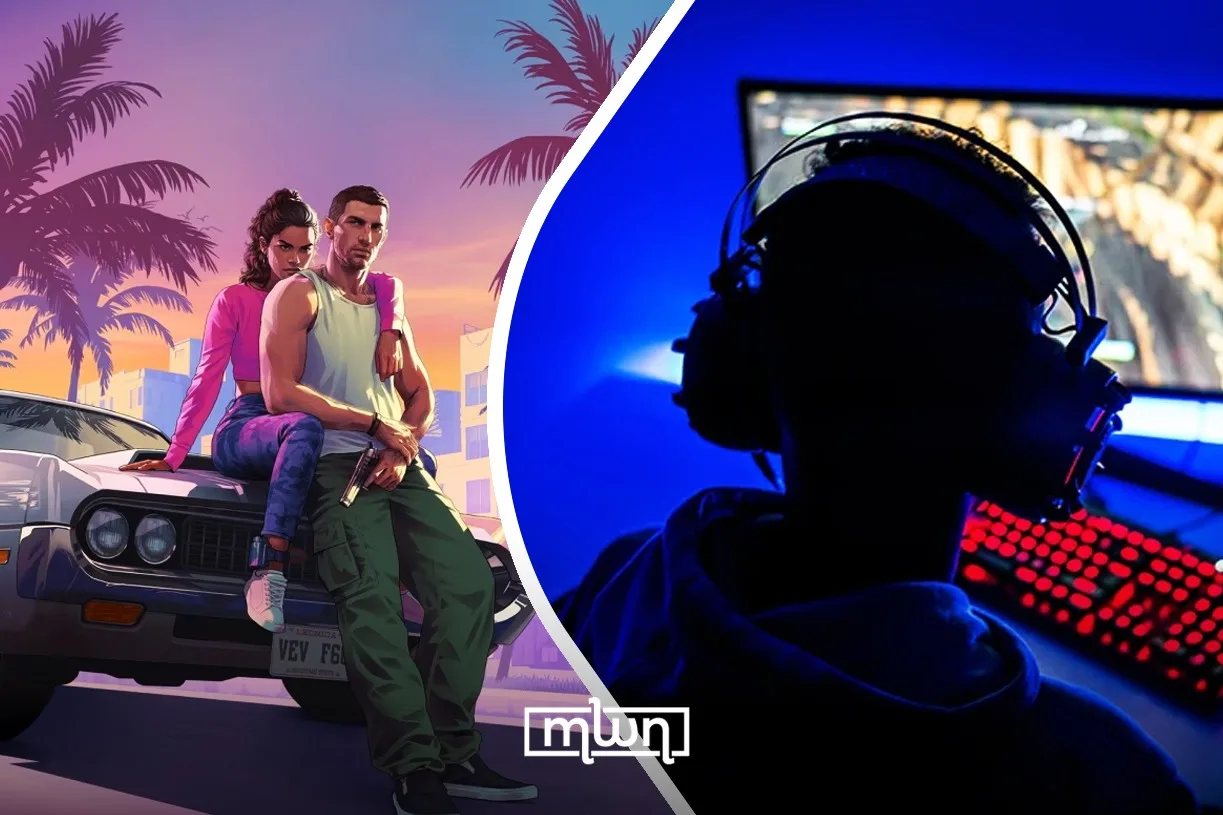
Marrakech – If love were a city, it would look suspiciously like Los Santos: loud, lawless, sun-soaked, and impossible to quit.
Because no matter how many games come and go, Grand Theft Auto remains the one we text back at 2 a.m. Toxic? maybe. Iconic? absolutely.
GTA isn’t just a game; it’s a long-term relationship with chaos. It raised us on fast cars, faster decisions, and the quiet understanding that consequences are… optional.
We didn’t just play GTA, we grew up inside it. From skipping missions to cruise aimlessly, to spending hours customizing a character only to immediately do something wildly unhinged, GTA gave us freedom before we knew we needed it.
What makes GTA timeless is its audacity. It mocks power, money, fame, and the very systems we pretend to respect.
Like a column wrapped in satire and sirens, it asks the real questions: Can you be morally upright in a world designed to reward bad behavior? And if not, why does it feel so good?
Strategically, Rockstar mastered something rare: cultural relevance without begging for approval.
GTA doesn’t chase trends; it predicts them, exaggerates them, then laughs first. Social media culture, influencer obsession, political absurdity – GTA called it before we scrolled it.
And let’s be honest: GTA is therapy. A digital release valve where stress meets satire, and rebellion comes with a soundtrack.
It’s where we go when reality feels too scripted and adulthood too serious.
In GTA, you can fail gloriously, restart instantly, and still feel in control. Try doing that in real life.