Fez — PUMA is set to open the PUMA Museum of African Football in Rabat later this month, inviting the public to explore a space dedicated to the continent’s rich football history and cultural influence.
Scheduled for Friday, January 16, the opening will take place at Abla Ababou Galerie in Rabat. The museum will be open from 3 p.m. to 6:30 p.m. and is free of charge, with no ticket required for entry.
A celebration of African football heritage
The exhibition is presented as more than a traditional museum display. PUMA describes it as an immersive experience that highlights the icons, storytellers, unsung heroes, and unforgettable figures who have shaped African football across generations.
Rather than focusing solely on trophies or statistics, the museum aims to explore football as a cultural force — one that reflects identity, resilience, creativity, and collective memory across the continent. Visitors can expect a narrative-driven approach that places players, moments, and movements within a broader social and cultural context.
The initiative aligns with PUMA’s long-standing involvement in African football, where the brand has partnered with national teams, clubs, and athletes while engaging with football as both sport and cultural expression.
Why Rabat matters
Hosting the museum in Rabat carries symbolic weight. Morocco has positioned itself as a key hub for African football in recent years, particularly as the country prepares to host major continental and international tournaments.
Bringing the museum to the capital places African football history within a contemporary cultural setting that blends art, heritage, and sport.
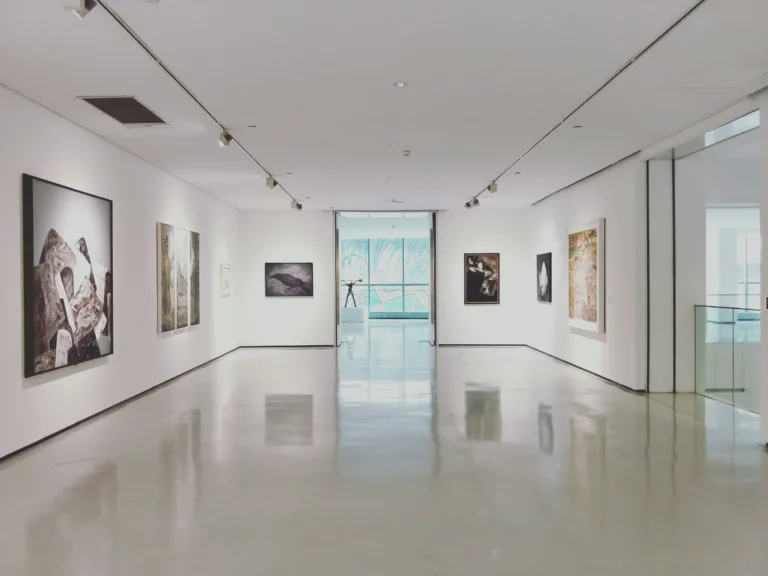
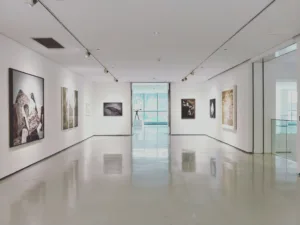
The choice of Abla Ababou Galerie also signals an intention to bridge football with creative and artistic spaces, reinforcing the idea that football culture extends beyond stadiums into galleries, design, and storytelling.
Open access and public engagement
PUMA emphasized that the experience is open to everyone, underlining accessibility as a core element of the project. By offering free entry, the brand aims to attract football fans, families, students, and culture enthusiasts alike, encouraging a wide audience to engage with African football history.
The event announcement invites visitors to “celebrate the game,” framing the opening as a communal moment rather than a closed or exclusive launch.