Marrakech – Morocco’s AFCON 2025 campaign ended in disappointment, but not in doubt. The Lions of the Atlas were defeated in the final, missing out on a long-awaited continental title.
Yet beyond the immediate result, the tournament offered a clearer, more significant conclusion: Morocco is now an established force in African football whose time to lift the continental title will come at some point in the near future.
Expectations were sky-high as the Atlas Lions headed into the tournament. Morocco arrived with a squad shaped by European top-level experience, tactical continuity, and the confidence gained from recent international success.
Throughout AFCON 2025, the team delivered performances marked by structure, discipline, and control. They dominated possession in key matches, managed game tempo effectively, and demonstrated defensive solidity that had become a hallmark of their recent rise.
The final, however, exposed the fine margins that separate dominance from triumph. Morocco entered the match well-prepared and organized, but football’s decisive moments proved unforgiving.
A single lapse, combined with missed opportunities at the other end, shifted the balance. Despite a late push and sustained pressure, the equalizer never came.
While painful, the loss does not undermine the broader trajectory of Moroccan football.
On the contrary, AFCON 2025 reinforced the depth and sustainability of the project Morocco has built over the past years. Unlike previous generations defined by isolated peaks, this Moroccan side reflects long-term planning, federation investment, and a clear footballing identity.
Tactically, Morocco has demonstrated adaptability across the tournament, switching systems when necessary and responding to different opponents with maturity. Individually, several players have emerged as leaders capable of performing under intense continental pressure.
Collectively, the team showed mental resilience, recovering from difficult moments and maintaining composure in high-stakes matches.
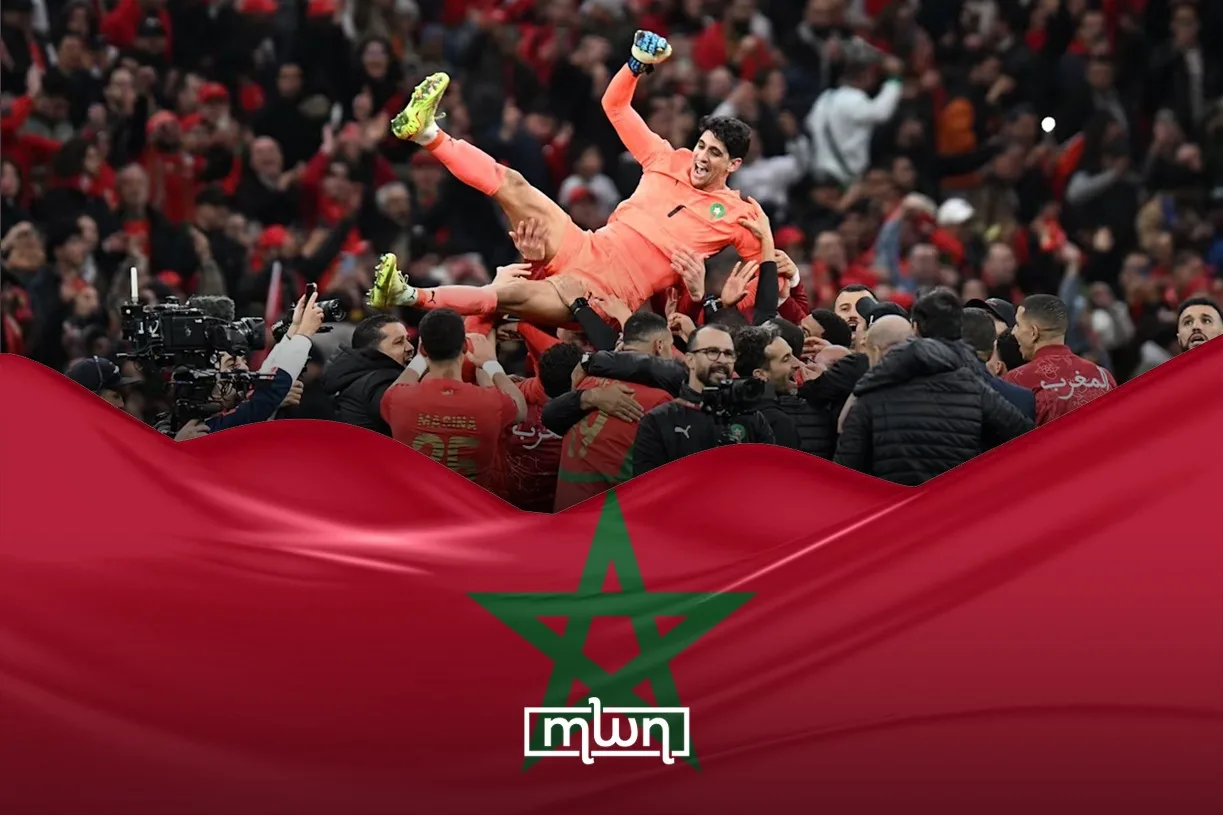
Perhaps most telling was the reaction after the final whistle. There was frustration, but also acknowledgment, from fans, analysts, and opponents alike, that Morocco’s presence in the final was no accident.
Far from relying on moments of fortune, the team earned its place through consistency and competitive authority.
For Moroccan supporters, the defeat resonates beyond the result. It reflects a nation that now expects finals, not simply qualification.
That shift in mentality may be the tournament’s most important legacy. Success is no longer measured by participation, but by setting sustainable, title-winning standards.
The system is already built and proven. So the challenge ahead is not rebuilding, but refining and polishing the existing system to convert its current commanding presence into silverware.
In that sense, Morocco did not lose their standing in African football. They solidified the current establishment and moved one step closer to the next, highly-anticipated AFCON.