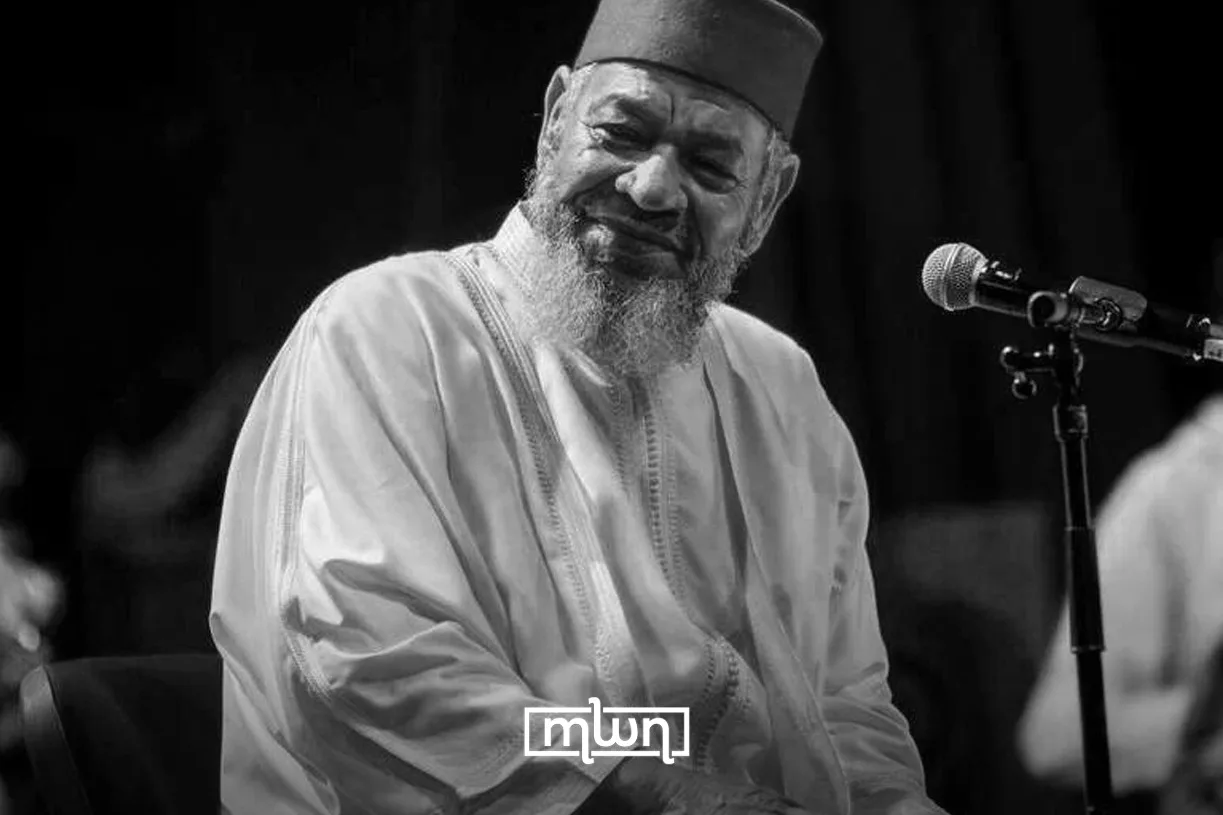
Fez — Morocco is mourning the loss of one of its most revered musical voices. Abdelhadi Belkhayat passed away on Friday evening in Rabat after a long illness at 85.
Born in Fez in 1940, Belkhayat rose to prominence in the 1960s, becoming a defining figure of modern Moroccan song.
His deep, warm voice and measured delivery quickly set him apart, earning him a place among the most influential artists of his generation and a lasting presence in Morocco’s cultural memory.
A voice that shaped Moroccan song
Belkhayat’s career unfolded at a time when Moroccan music was asserting its modern identity while remaining rooted in tradition. His repertoire includes songs that have become classics, still broadcast and performed decades later. Among his most iconic titles are “Ya bent nass,” widely regarded as one of the most popular Moroccan songs of all time, as well as “Ya dak el insane” and “Ma ana illa bachar.”
These works resonated across social and generational lines, combining poetic lyricism with emotional restraint and musical sophistication.
Training and artistic depth
Belkhayat received formal training at the Conservatoire supérieur de musique arabe in Cairo, an experience that deeply influenced his artistic language. He brought elements of classical Arabic music into his work while maintaining a distinctly Moroccan sensibility, enriching the national repertoire without diluting its identity.
This balance between openness and rootedness became a hallmark of his style and contributed to his broad appeal across the Arab world.
A later turn toward spirituality
In the later years of his career, Belkhayat gradually moved away from mainstream performance and devoted himself to spiritual and religious chants. This transition marked a new chapter in his relationship with the public, adding a contemplative dimension to a career already defined by depth and sincerity.
Despite stepping back from the spotlight, he remained a respected and admired figure, with audiences continuing to engage with his music and legacy.
Abdelhadi Belkhayat’s passing marks the end of an era for Moroccan music. His voice, recordings, and artistic integrity remain firmly embedded in the country’s cultural heritage, continuing to speak to listeners long after the final note.