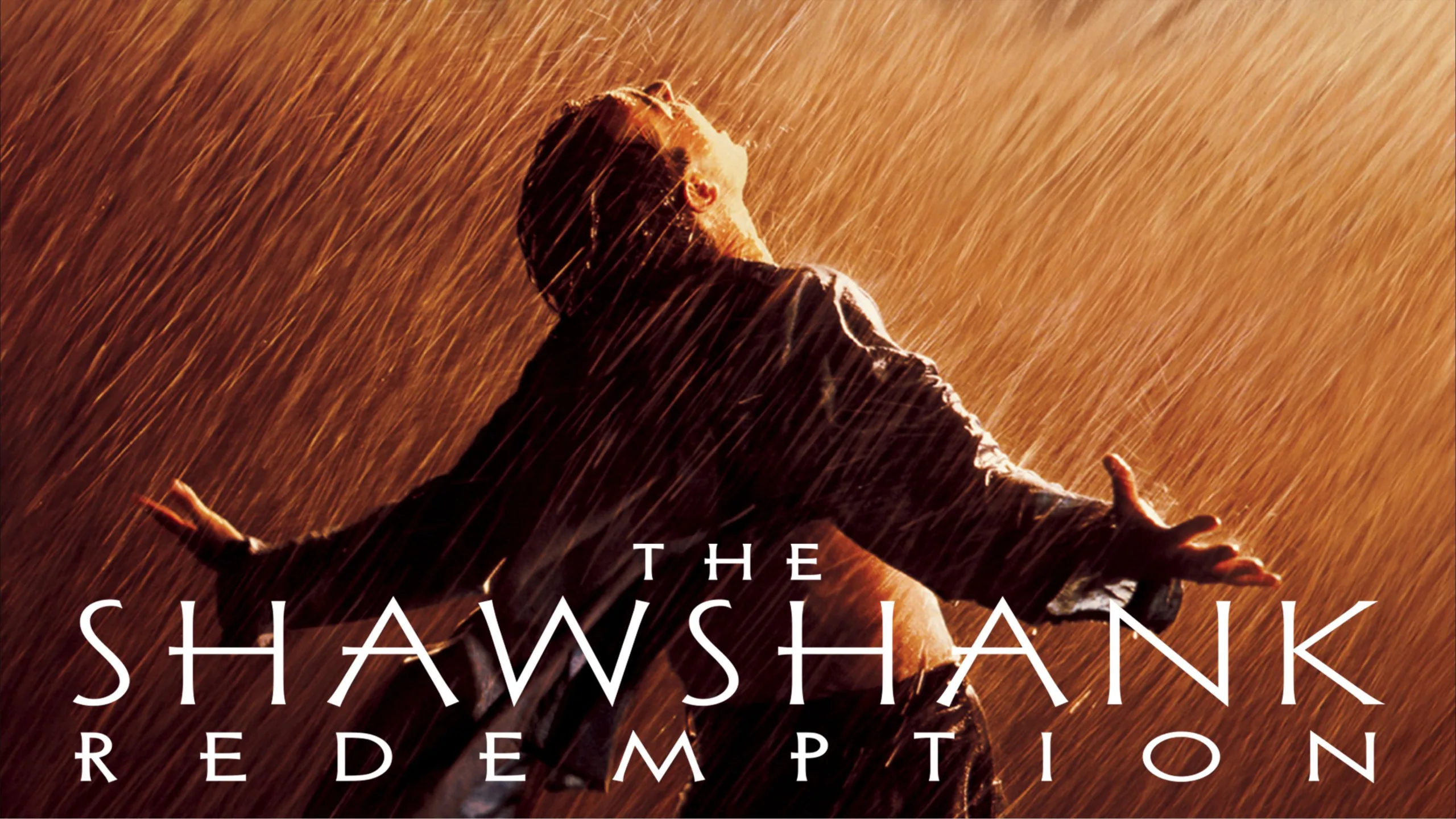
Fez — More than three decades after its release, “The Shawshank Redemption” (1994) remains the highest-rated film in IMDb history, holding a 9.3/10 score from more than 3.2 million user ratings on IMDb.
No other movie has maintained that level of consensus for so long, across generations, cultures, and changing cinematic trends.
Directed by Frank Darabont and adapted from a novella by Stephen King, the film follows Andy Dufresne, a quiet banker sentenced to life in Shawshank State Penitentiary for the murder of his wife and her lover, which is a crime he insists he did not commit.
A story built on patience, not twists
At first glance, the plot seems simple: an innocent man survives prison. But what makes “The Shawshank Redemption” compelling is not what happens, but how slowly and deliberately it unfolds.
Inside Shawshank, Andy befriends Ellis “Red” Redding, played by Morgan Freeman, who becomes both the film’s narrator and its moral compass. Years pass. Andy endures violence, isolation, and institutional cruelty, yet never abandons his inner life.
Key plot points like Andy laundering money for corrupt guards, expanding the prison library, and locking himself in solitary confinement after playing opera music over the loudspeakers are not action beats. They are character statements. Each reinforces the central idea that freedom is first a mental state.
The film’s famous final act, in which Andy’s long-planned escape is revealed, works precisely because the story never rushes toward it. The payoff feels earned, not engineered.
Why the story hits so hard
What separates “Shawshank” from other prison films is its emotional clarity. The antagonists are clear, but never cartoonish. The real enemy is institutionalization, the slow erosion of identity and hope.
Red’s arc is just as important as Andy’s. His fear of the outside world, his internalized confinement, and his eventual choice to hope give the film its emotional closure. When the two reunite on a Mexican beach, the moment resonates because the audience feels it has lived the time it took to get there.
Craft that never shows off
Visually and stylistically, the film avoids excess. Darabont’s direction is controlled, almost invisible. The cinematography favors muted tones and static framing, reinforcing the monotony of prison life. Thomas Newman’s score is sparse and melancholic, used to underline emotion rather than dictate it.
Tim Robbins’ portrayal of Andy is restrained to the point of minimalism, which allows viewers to project onto him. Nothing is overplayed, which is a key reason the film ages so well.
Why IMDb voters keep it at No. 1
Unlike films that peak due to hype, “The Shawshank Redemption” benefits from word-of-mouth longevity. Many viewers encounter it years after release, often on television or streaming, without expectations and rate it highly after repeat viewings.
IMDb users consistently cite its rewatchability, emotional honesty, and satisfying conclusion. It offends no demographic, yet feels deeply personal. That rare combination explains why its rating has remained stable even as millions of new votes are added.
A quiet definition of greatness
“The Shawshank Redemption” is not the most visually innovative film, nor the most politically radical. Its greatness lies in execution. It understands pacing, character, and payoff at a fundamental level.