Rabat – Each culture has its own wedding traditions, but Morocco has a truly unique wedding ritual. It is special, artistic, and loud.
And here’s the first surprising fact. When we talk about Moroccan weddings, it doesn’t necessarily mean a one-day celebration. It can extend to a full week of rituals, from henna and hammam to the actual wedding day.
For now, let’s focus on the big day and take a closer look at what makes it so special – and surprising.
They start late… very late
Instead of the morning or afternoon, Moroccan weddings usually start in the evening. Invitations may say 7 or 8 p.m., but guests rarely arrive on time – very Moroccan indeed.
Now, you must have a question rolling in your mind: if the celebration starts at 8 p.m. and guests have a tendency to arrive late, when is the wedding supposed to end?
An intricate question it is. At a Moroccan wedding, expect to finish while your eyes are struggling to stay open. The celebration usually ends early in the morning, around dawn.
Noise is part of the celebration
And, there’s more. Be ready to experience all kinds of noise if you attend a Moroccan wedding. We don’t dance to calm music; we dance to the rhythms of our all-time favorite: chaabi music.
If you don’t know what chaabi music is, pause for a moment and go discover popular Moroccan music. Only then will you understand what we’re talking about.
Chaabi music has one meaning: noise. And noise here isn’t negative, it’s very positive. That sound is what sets the whole vibe, giving everyone an irresistible urge to dance all night long.
The bride is “on display” for hours
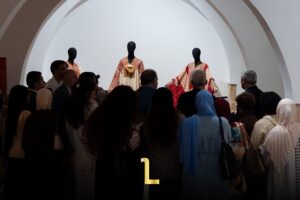
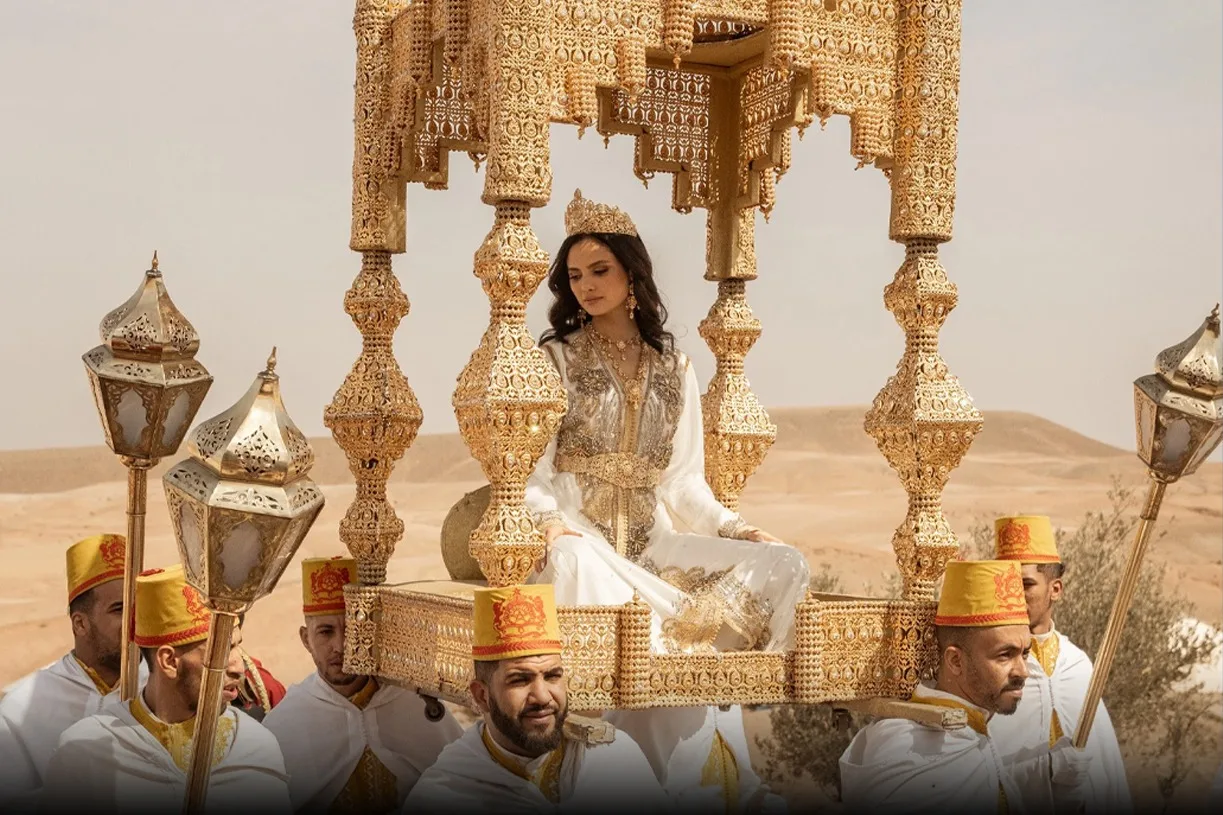
One white dress for the bride? That isn’t the Moroccan way. The white dress may come at the end as the final outfit, but before that, the bride can wear up to seven takchitas, Morocco’s traditional outfits.
It’s like a fashion show, where the bride keeps everyone mesmerized, outfit after outfit. In the end, a modern touch appears through the white dress – simple and elegant – marking the closing moment of the wedding.
Food comes later
Food arrives in stages, but the main dish comes late – very late. At the entrance, guests are welcomed with dates and milk as a symbol of hospitality. Then come juice and tartlets, followed by atay making its grand entrance, accompanied by trays of traditional Moroccan sweets.
But dinner? Forget about it for a while. It’s time for dancing and sharing anecdotes with the people sitting at your table. Later on, when you’re completely drained from dancing, food finally arrives.
And once you take the first bite of chicken bastilla, its magical taste makes you forget all the waiting.
And there you have it. This is just a glimpse of what you might expect at a Moroccan wedding. But now you have a clearer idea of why it’s a one-of-a-kind experience — one you should definitely live at least once.
Read more: What to Expect if You Are Invited to a Moroccan Wedding