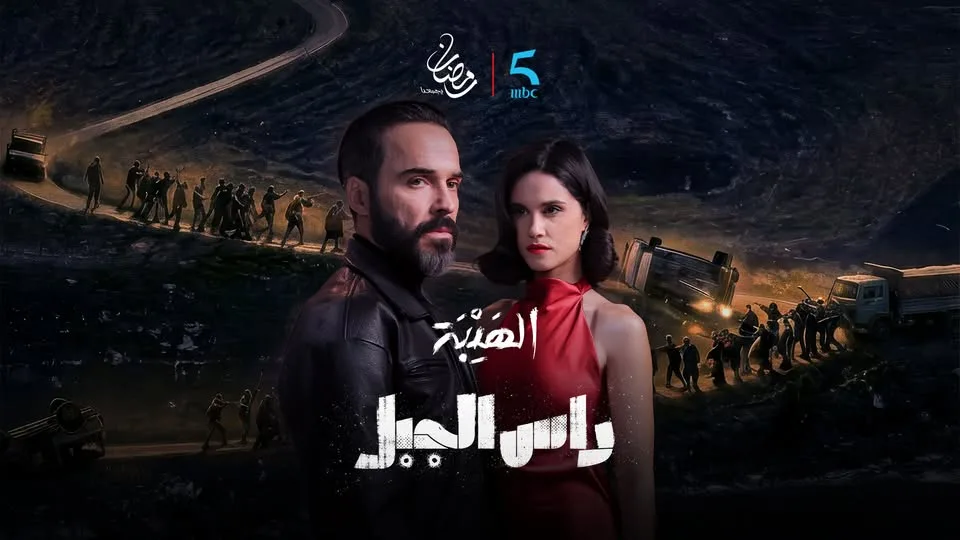
Rabat – Weeks before Ramadan arrives, TV channels gradually begin revealing the movies and series set to air during the holy month. Al Hayba: Ras El Jabal ranks among the most anticipated productions scheduled for broadcast on MBC 5.
Originally a Syrian-Lebanese series, Al Hayba was later adapted into a Turkish version under the Arabic title Al Madina Al Baiida (The Far City). This adaptation achieved remarkable success among Arab audiences, who have long shown strong interest in Turkish dramas.
So what is the story behind this widespread success?
The plot begins when the heroine travels from Canada to a Turkish town with her young son to bury her late husband, fulfilling his final wish to be buried in his hometown.
What she initially believes to be a brief visit quickly turns into something far more complicated, as returning to her normal life in Canada proves far from easy.
Once there, she finds herself drawn into the world of her husband’s family, a powerful clan governed by rigid traditions and unspoken rules. The village is shaped by traditions of revenge and inherited conflict, a world where firearms and guns rule.
When details of the Moroccan version were released, one question immediately came to mind: how could the core themes of revenge and guns be translated to a Moroccan setting, where such conflicts are largely absent?
Read also: MBC5 Unveils Its Ramadan Lineup in Star-Studded Showcase
The Syrian-Lebanese original, followed by the Turkish adaptation, made sense to audiences. In those countries, these themes are embedded in some rural regions and resonate naturally with viewers.
In Morocco, however, the culture is far removed from this kind of intensity. The challenge, then, is whether the series can adapt these themes in a way that feels truly authentic and compelling for a Moroccan audience.
The same discussion arose during Ramadan 2025 with the Moroccan series Dem El Mechrouk, starring Dounia Boutazout.
Written by Egyptian screenwriter Hagar Esmaiel, the show drew inspiration from aspects of Egyptian culture that didn’t fully resonate with Moroccan audiences. Many criticized the disconnect, questioning how well the story could translate locally.
In the end, however, it’s impossible to judge an upcoming series solely by its concept. Viewers are eager to watch the first episodes during Ramadan to form a clearer idea of how successful the series will ultimately be.
The Moroccan version of Al Hayba is directed by Ayoub Lahnoud, with the cast including Assaâd Bouab, Hiba Bennani, Nora Skali, Amine Ennaji, along with other well-known Moroccan actors.