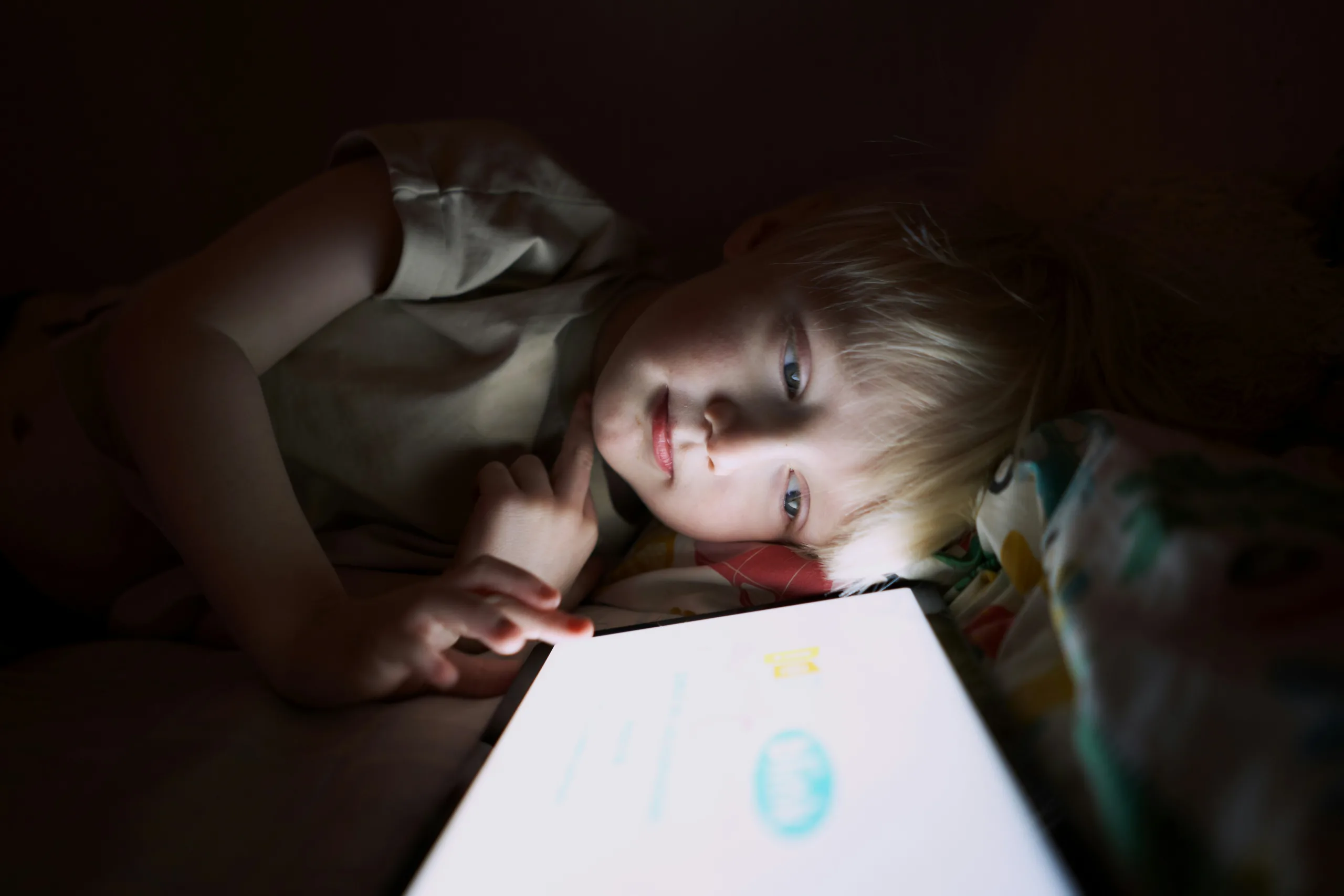
Casablanca – I’ve watched parents around me hand a phone or tablet to a toddler simply to keep them calm. The crying stops, the child goes quiet, and for a moment it feels like relief.
I get it, parenting is hard and screens are so easy. But over time it becomes clear that those glowing rectangles are not the neutral babysitters we think they are.
Toddlers learn the world by doing, not by watching. When a little person babbles, reaches, touches and listens to adults, their brain wires itself for language, curiosity and connection.
There is solid evidence behind this. A large UK study cited in The Guardian found that two-year-olds who spent more time on screens tended to have smaller vocabularies than those with limited screen time.
An Egyptian study reported similar patterns, linking heavier screen use in toddlers with lower scores in language and thinking skills. Not every child will be affected in the same way, but the pattern is strong enough to take seriously.
The real risk is when screen time slowly becomes addiction. The more a child uses a screen, the more they seem to want it. What starts as ten quiet minutes can slowly turn into an addictive daily habit that is hard to break, and this is often when movement fades and the phone becomes the preferred activity.
Screens also pull children away from the big, messy, noisy things that help them grow. Running, climbing, building and getting bored all train attention and self-control. When a child gets used to constant digital stimulation, slower real-life activities can start to feel dull.
The eyes aren’t immune either. Spending more time on close-up indoor activities and less time outside has been linked to a higher risk of nearsightedness. Long stretches of screen use can tire the muscles around the eyes, sometimes causing blurry vision, headaches, or trouble focusing comfortably.
I’m not saying screens are evil. We live in a digital world and technology is not going away. But in the early years, real play, real conversation and real movement matter more than any app.
A toddler does not need endless stimulation. They need space to move, to talk, to fall and try again. The less time they spend stuck to a screen, the more time they have to grow into the world around them.