Fez — The Ramadan Polish Cinema cycle opened Tuesday evening at the Mohammed VI Museum of Modern and Contemporary Art in Rabat with a screening of “The Last Day of Summer” (1958), marking the start of a month-long celebration of Polish filmmaking.
The event gathered members of the diplomatic corps, Moroccan cultural figures, and members of the public, reflecting the spirit of exchange that defines the initiative.

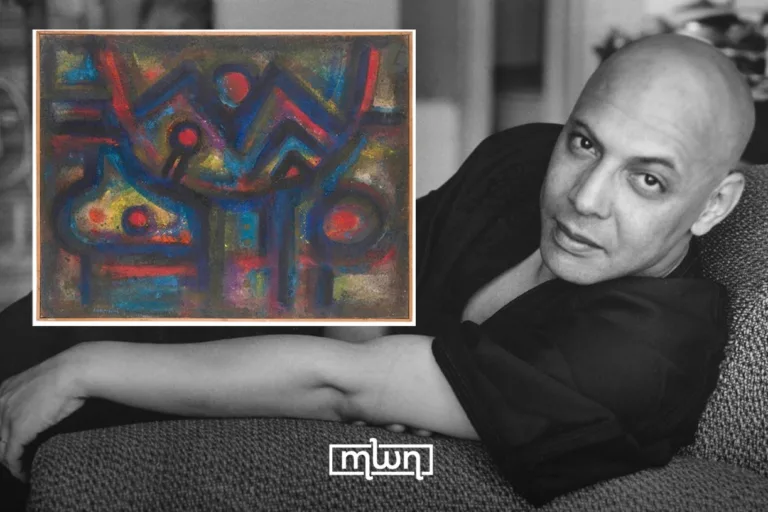
Among those present were Poland’s Ambassador to Morocco, Tomasz Orłowski, and Mehdi Qotbi, President of the National Foundation of Museums of Morocco, which oversees the country’s public museum network and leads its major international cultural partnerships.

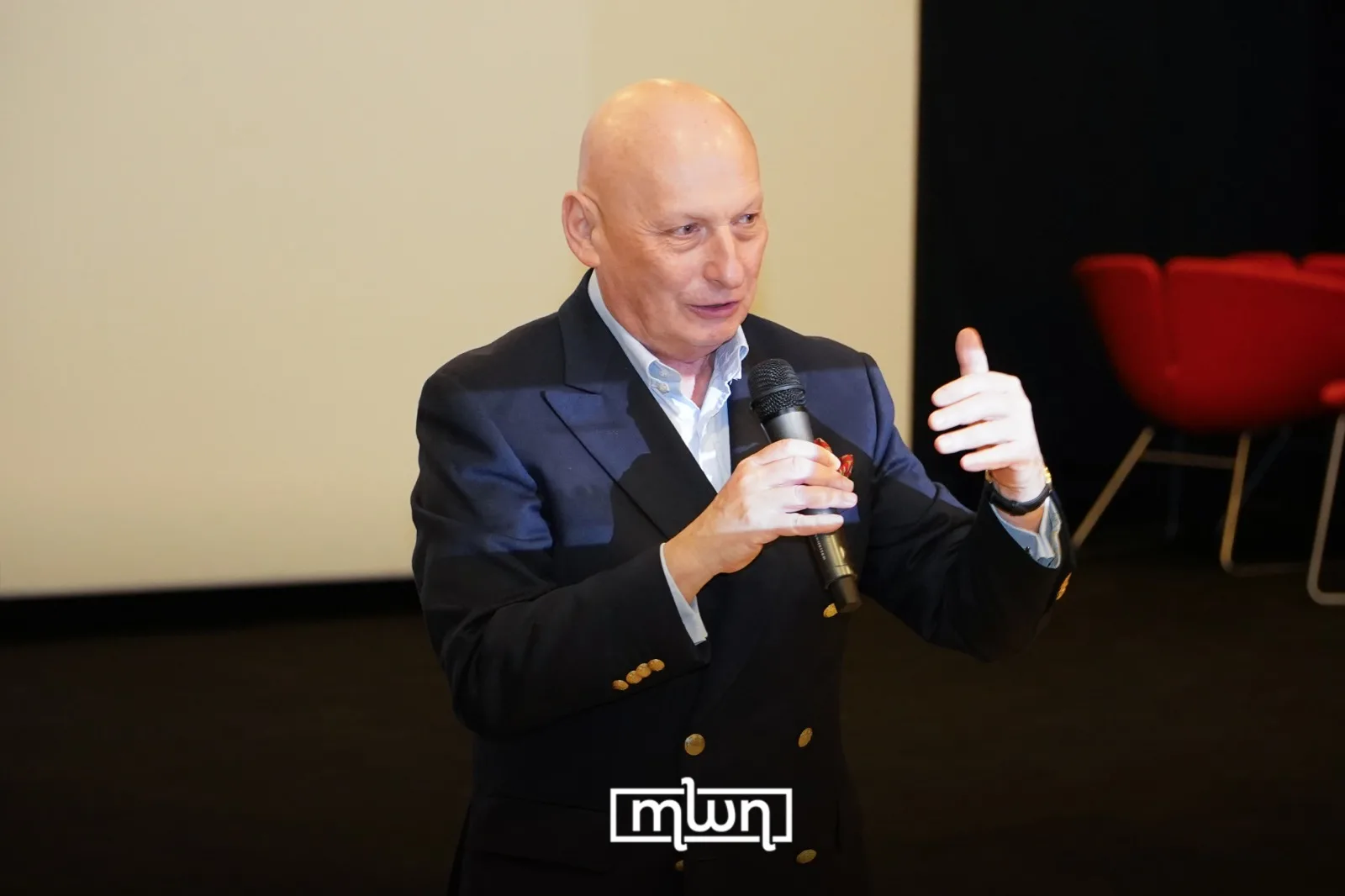
Addressing the audience before the screening, Ambassador Orłowski emphasized the symbolic importance of organizing the program during Ramadan.

“During this very special time of Ramadan, which is a period of reflection for the Muslims, we are wishing to share with you our experience of Poland, Polish movies,” Orłowski told Morocco World News (MWN). “We are here as diplomats for knowing better Moroccan culture and to the counterpart we are offering our culture to you.”
He described the selection as a curated journey through different periods of Polish cinema, beginning with Tadeusz Konwicki’s 1958 film. “We propose four different movies representing different periods of Polish cinema, starting in the late 50s with the movie we will screen this evening, ‘The Last Day of Summer,’ a film which was made in 1958,” during a time period close to the Moroccan Independence.

Set on a deserted Baltic beach, the black-and-white film follows the quiet encounter between a man and a woman marked by the invisible scars of war. Its restrained dialogue and introspective tone introduced Rabat’s audience to the poetic depth of post-war Polish cinema.
Following the opening film, the cycle will continue with two works by Andrzej Wajda: “Innocent Sorcerers,” exploring youth and jazz culture in communist-era Poland, and “Man of Marble,” the landmark film that foreshadowed the Solidarity movement. The program will conclude with Krzysztof Kieślowski’s “The Double Life of Veronika.”
As the first screening concluded, the evening reaffirmed the museum’s role as a platform for cross-cultural dialogue, where cinema becomes a bridge between histories, identities, and shared moments of reflection during Ramadan.