Fez — Moroccan filmmaker Sanaa El Alaoui’s short film “Aicha” has won the Silver “Tutankhamun Mask” award at the Luxor African Film Festival in Egypt, adding another international stop to the film’s growing festival run. Morocco’s Cinematographic Center publicly announced the award, describing it as a new recognition for the director’s 2025 short.
The win places “Aicha” among the titles recognized at one of the continent’s best-known film gatherings. The Luxor African Film Festival presents itself as a platform dedicated to African cinema and was launched to expand the visibility of films from across the continent in Egypt and beyond.
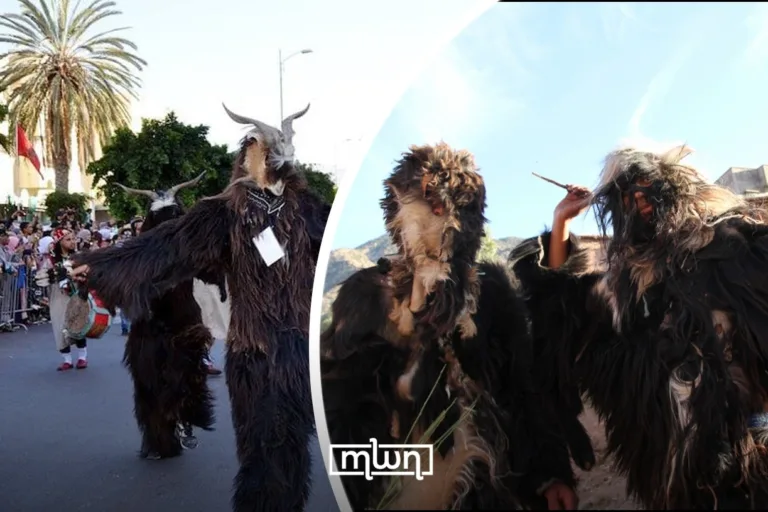
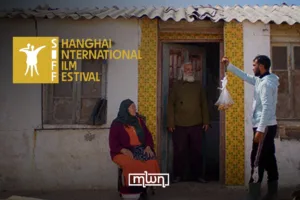
Produced in 2025, “Aicha” is a Moroccan short film that blends drama and psychological tension. Festival and distribution materials describe the story as following a 17-year-old girl struggling with an emotionally distant mother as her life takes a tragic turn. In the aftermath of loss, the mother joins a mystic ceremony in an effort to confront grief and reconnect with the bond she has lost.
A film already circulating internationally
Before the Luxor recognition, “Aicha” had already built a visible international festival path. MAD Distribution lists screenings or selections for the film at events including the Krakow Film Festival, SXSW London, the Durban International Film Festival, the Brooklyn Film Festival, and AfryKamera in Warsaw. The film’s Brooklyn and Tirana festival pages also confirm its 2025 release, Moroccan origin, and Sanaa El Alaoui’s role as writer-director.
That wider circulation helps explain why the Luxor prize matters. It does not arrive in isolation, but as part of a broader international run that has kept the film moving across European, African, and U.S. festival spaces.
A growing profile for Sanaa El Alaoui
Public film notes also suggest that “Aicha” stands out for its formal ambition as much as its subject matter. The Krakow Film Festival describes the work through three ceremonies tied to the mother-daughter bond and notes its use of animation alongside live-action filmmaking. El Alaoui has likewise described the project as blurring fiction and documentary, with parts of its ritual dimension rooted in real ceremonial practice.
El Alaoui’s profile has also grown alongside the film. Festival biographies describe her as a Moroccan director and screenwriter who studied in Budapest and at Oxford, and whose earlier directorial work, “Icarus,” also received several awards on the festival circuit.