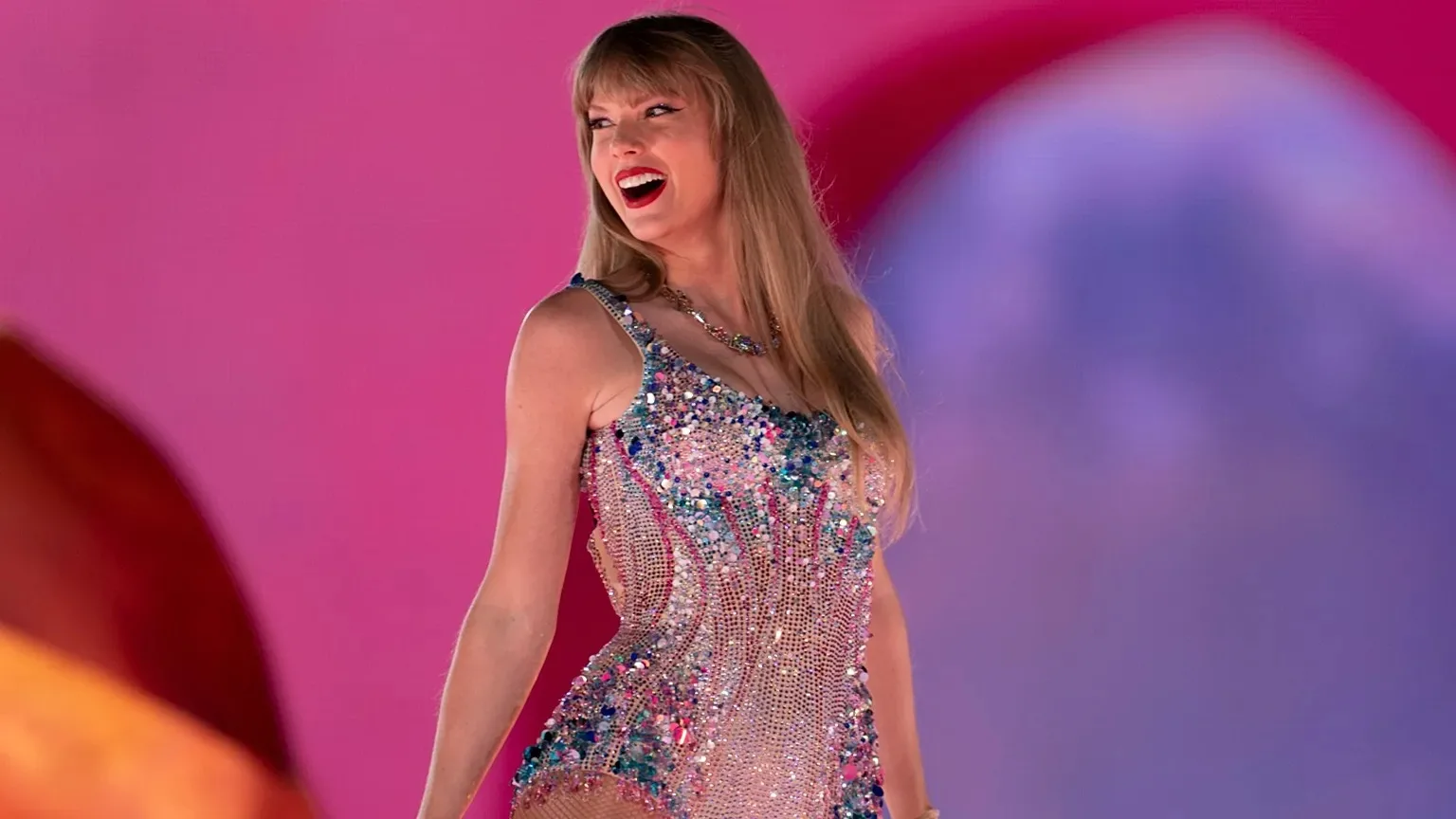
Lugano – Taylor Swift is taking legal steps to protect her voice and likeness, filing three new trademark applications aimed at limiting unauthorized use in AI-generated content.
The filings, submitted through Swift’s company, TAS Rights Management, focus on securing rights over distinctive aspects of her public identity, including specific vocal expressions and recognizable visual imagery.
By doing so, Swift aims to prevent third parties from replicating or imitating her voice and appearance using artificial intelligence tools.
Among the requests are sound-based trademarks tied to short spoken phrases, including soundbites of her voice saying “Hey, it’s Taylor Swift.” These filings also seek protection for a particular visual representation associated with the artist.
If approved, these trademarks could allow Swift to challenge not only direct copies but also AI-generated content.
The move comes as concerns grow across the entertainment industry over deepfakes and artificial media, which have made it easier to create convincing but unauthorized imitations of public figures.
Such content has increasingly raised legal and ethical questions, particularly around consent and commercial use.
Trademark law may offer a more flexible approach compared to traditional copyright protections, especially when dealing with voice replication and likeness in AI-generated material.
This strategy could provide artists with stronger tools to control how their identity is used in digital environments.
Swift’s filings reflect a wider trend among artists seeking to protect their personal brand as technology evolves.
Earlier in the year, actor Matthew McConaughey took similar steps to secure his voice and signature catchphrase “alright, alright, alright,” while Scarlett Johansson has also pushed back against AI misuse, threatening legal action after a chatbot voice was alleged to closely resemble her own despite her declining to license it back in 2024.
As artificial intelligence continues to reshape content creation, efforts like these signal a growing push within the industry to establish clearer boundaries around identity and ownership.