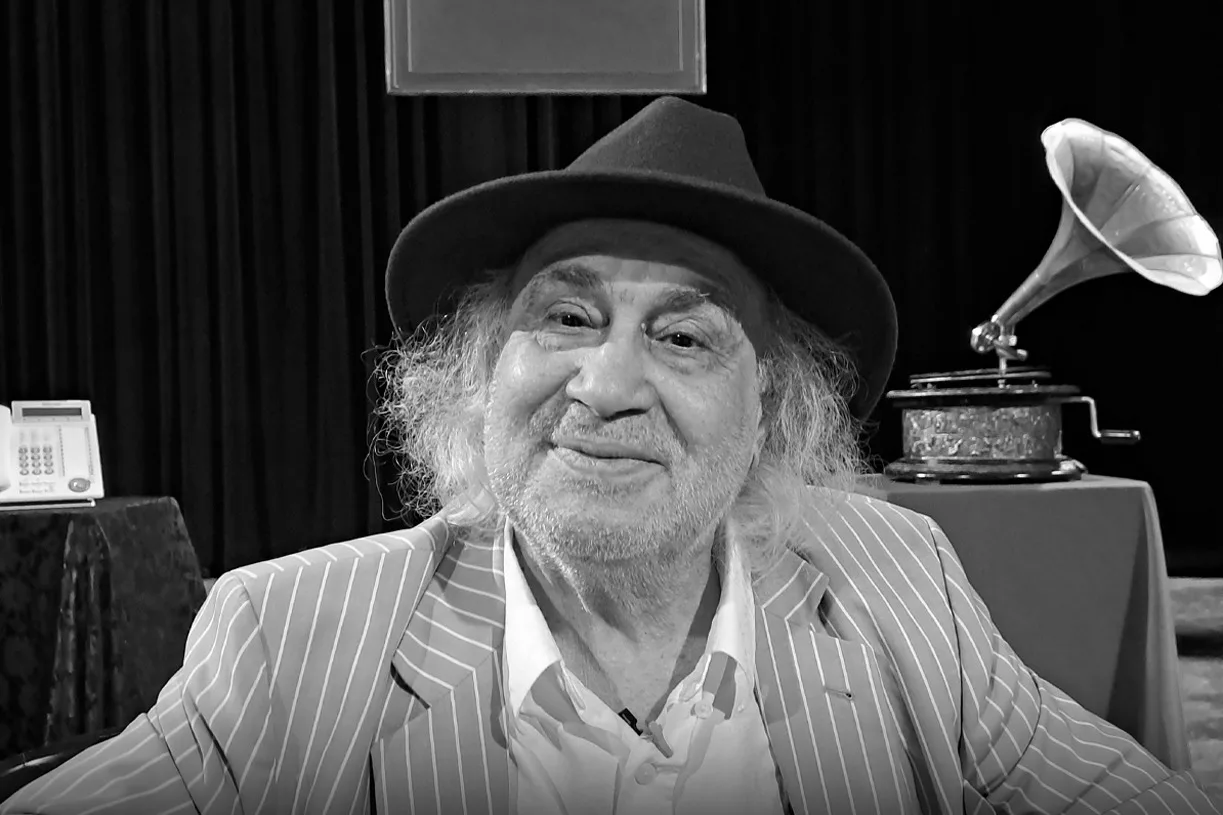
Fez — Moroccan playwright, filmmaker, and stage director Nabil Lahlou died on Thursday morning in Rabat at the age of 81 after a long illness, marking the loss of one of Morocco’s most daring theater figures.
Lahlou was widely regarded as a pioneer of Moroccan experimental theater. His work went beyond , and even rejected, traditional entertainment and instead treated the stage as a space for political questioning, social critique, and philosophical reflection.
Born in Fez in 1945, Lahlou began his artistic journey at a young age before studying theater in Paris, including at Charles Dullin School and other theater institutions. He later became known as a filmmaker, actor, author, and one of the most influential Moroccan theater directors of his generation.
A career built against convention
Lahlou’s artistic identity was shaped by confrontation with what he saw as superficial “consumer theater.” He believed performance should disturb, question, and awaken the audience rather than simply entertain it.
His plays and films often explored authority, alienation, injustice, and the contradictions of postcolonial society. That approach gave his work a demanding intellectual tone, but also made him one of the most distinctive voices in Moroccan culture.
Among his noted works are “Ophelia I Not Dead” “The Turtles,” “Al Kanfoudi,” “Brahim Who?,” “The Night of the Crime,” and “Look at the King in the Moon.” His filmography and theater work reflected a taste for surrealism, irony, and political symbolism.
A final return to the stage
Lahlou’s final work, “Macha Machmacha Wants a Role in the Film of the Trial of Socrates,” was presented in March 2026 at the Mohammed V National Theater in Rabat. The piece drew attention from critics and theater observers, who saw it as a return to the intellectual force that marked earlier moments in Moroccan theater.
The play also carried the tone of an artistic farewell. It reflected Lahlou’s lifelong interest in the relationship between speech, truth, performance, and power.
For many in Morocco’s cultural scene, his passing leaves a deep gap. Lahlou was not only a director staging texts; he was an artist building worlds where language became resistance and theater became a way to confront reality.
His legacy now belongs to Morocco’s cultural memory. At a time when commercial screens often dominate public attention, Lahlou’s work remains a reminder that theater can still ask difficult questions, defend artistic freedom, and keep society in conversation with itself.