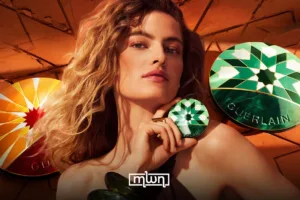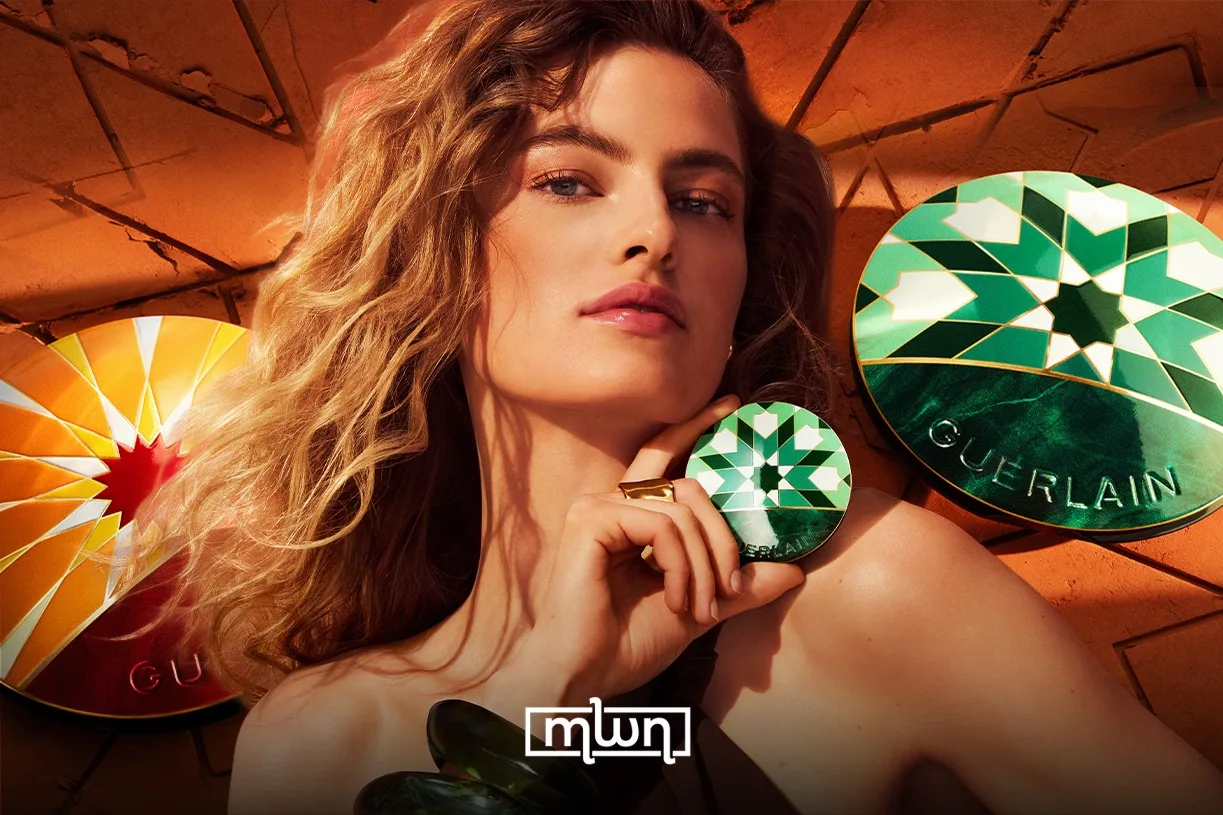
Rabat – Guerlain is reshaping the story of its most iconic bronzing powder with a new 2026 limited edition that turns to Morocco for both inspiration and craftsmanship.
The latest chapter in the Terracotta universe, titled “Terracotta Golden Dunes,” moves beyond seasonal beauty trends to explore landscape, memory, and artisanal heritage through design.
First launched in 1984, Terracotta has long been associated with sunlit skin and warm, natural tones.
In this new edition, that original idea is reinterpreted through the imagery of the Moroccan desert, a landscape defined not only by heat and sand, but by shifting light, colour variations, and silence.
The dunes become more than a reference point; they serve as the central visual and emotional language of the collection.
The compact itself is conceived as a miniature landscape. Its surface patterns echo the sculpted forms of sand shaped by wind and sun, translating natural movement into decorative detail.
Three variations extend this narrative into distinct geographies: Blue Dakhla, Red Zagora, and Green Agafay.
Each name suggests a different atmosphere within Morocco’s diverse terrain: coastal, southern, and desert-adjacent, offering a chromatic interpretation of place rather than a literal depiction.
At the centre of this project is a collaboration with Moroccan craft house Aït Manos, known for its mastery of traditional zellige.
For more than three decades, the atelier has worked with ancestral geometric motifs, reinterpreting them for contemporary architecture and luxury interiors while maintaining their artisanal integrity.
In this partnership, that expertise is redirected toward the world of beauty packaging, bringing architectural craft into an object designed for everyday use.
Rather than simply applying decorative patterns, Aït Manos approaches the compact as a surface where heritage and modern design intersect.
The result reflects a shared language between the two houses: precision, material sensitivity, and a strong connection to cultural identity expressed through form.
The collaboration also highlights the wider presence of Moroccan craftsmanship in global luxury design.
Aït Manos’ work has appeared in major architectural projects internationally, from religious spaces to high-end hotels and private residences, often in collaboration with leading architects and design studios.
This background informs the Terracotta project, where traditional techniques are translated into a contemporary luxury context without losing their roots.