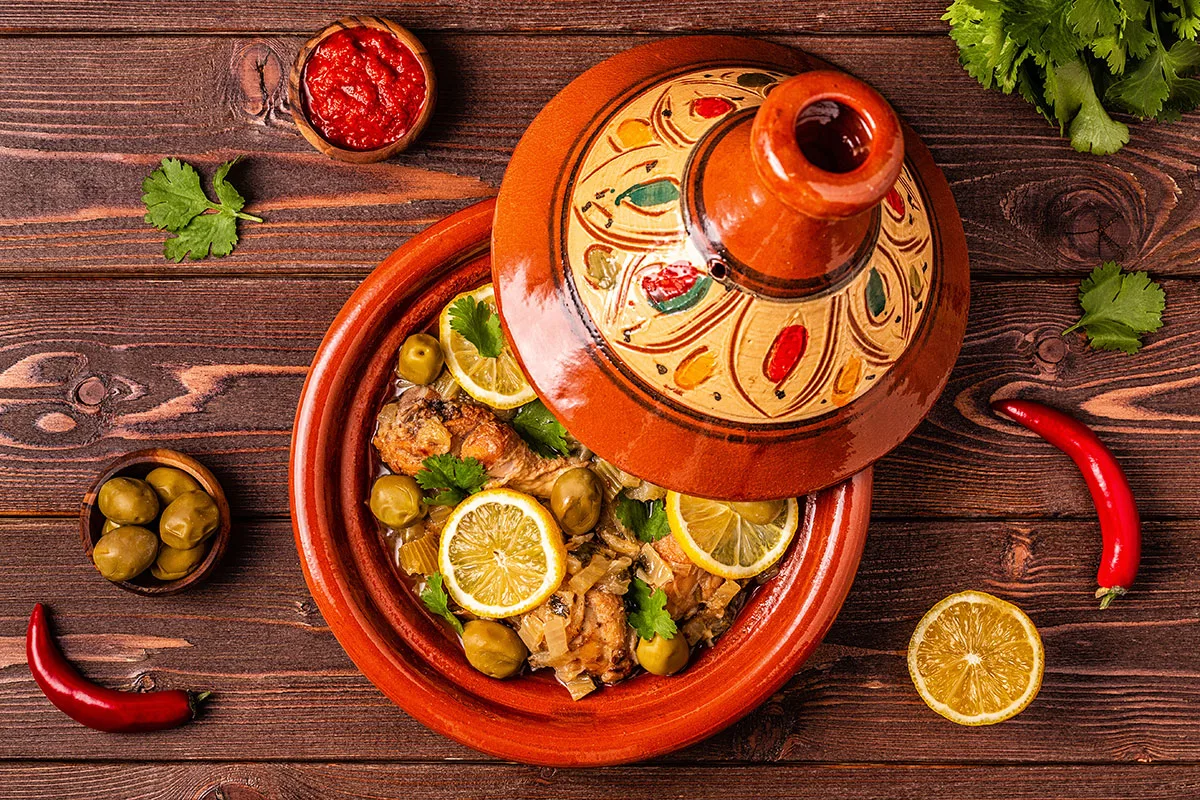
Rabat – In Moroccan households, most people grew up with the same ritual: finishing the meal with the meat or chicken saved for last. The most prized bite is often enjoyed at the end, after the bread, vegetables, and salads have already been eaten.
But does science back this practice, or is it simply a tradition we inherited for generations?
Food traditions often carry their own wisdom and logic, and it’s easy to assume that long-standing habits must have some kind of scientific explanation behind them.
Yet in this case, nutrition research points in a different direction when it comes to the order in which we eat our food.
Studies on meal sequencing suggest that the order in which we consume different foods can influence the body’s response after eating.
Research from Weill Cornell Medicine suggests that consuming protein and vegetables before carbohydrate-rich foods can help reduce post-meal blood sugar spikes, compared with eating carbohydrates first.
Moreover, there is no scientific evidence suggesting any benefits to saving meat for last.
In fact, nutrition experts often recommend eating protein first, as it can promote a quicker sense of fullness. This is because protein is known to increase satiety and slow down digestion.
If all the evidence is against it, why do we still do it?
The explanation has less to do with nutrition and more to do with family and culture. In Moroccan cuisine, meat has long been associated with generosity, value, and celebration.
This means that a piece of lamb carries far more significance than its nutritional value in a social gathering. Saving it for last is also a way of honoring its worth and showing appreciation for the people with whom the meal is shared.
This practice is also an example of a broader human tendency, which is to save the best and the most valuable to the end.
While this practice might not be the healthiest, it certainly makes every bite leading to the final golden ticket worth it!