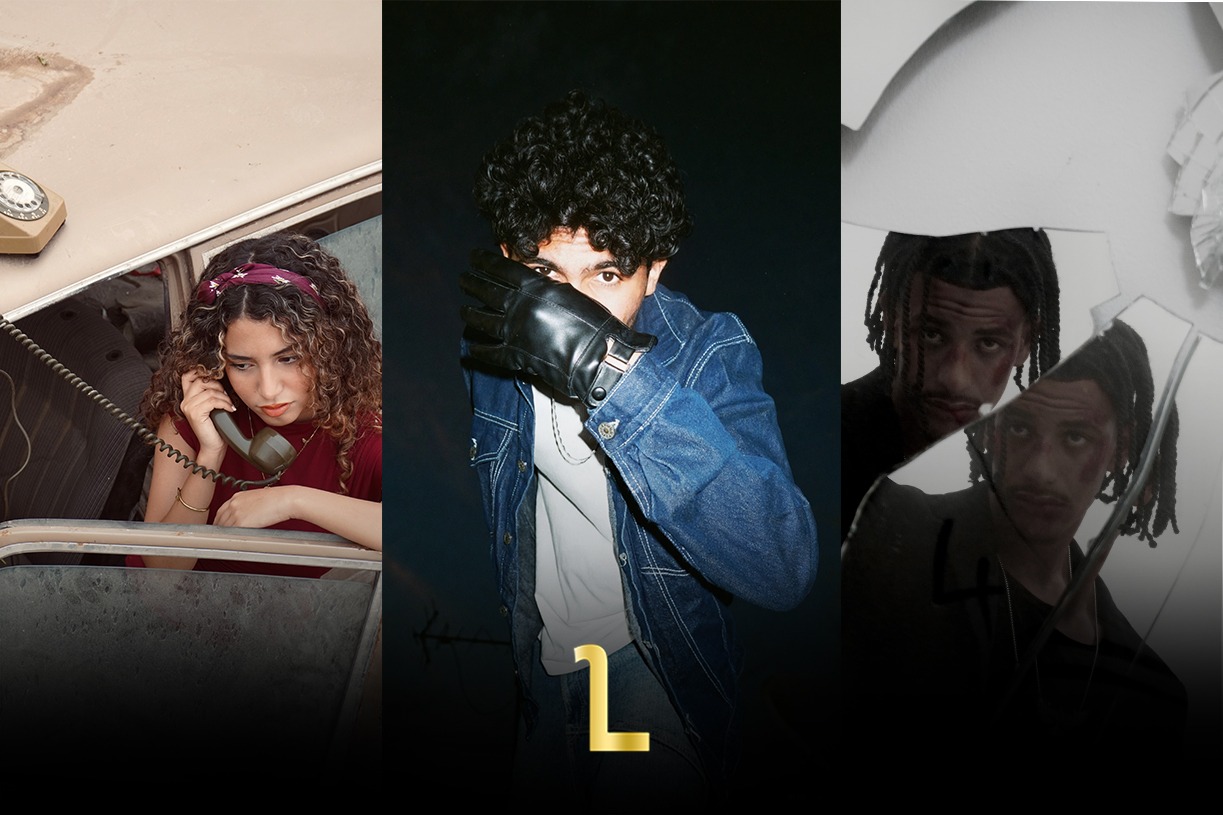
Casablanca – Some photographs capture a beautiful moment. Others make you wonder what happened just before the shutter clicked, or what might happen once the frame ends. For Moroccan photographer Abdellah Boukadi, that sense of an unfinished story sits at the heart of his work.
Speaking to Lifestyle Magazine, Boukadi described his artistic style as “cinematic storytelling through photography.” He builds entire worlds around his ideas, using color, lighting, locations, and carefully chosen details to give each character a personality of their own.
“I’ve never wanted to create an image just because it looks beautiful. I want every image to feel like a frame taken from a story that exists beyond what the viewer can see,” he explained.
For Boukadi, a photograph should feel like a moment caught between two scenes, with a past the viewer can imagine and a future they can only guess at.
“I want people to feel that something happened before the picture and that something continues after it.”
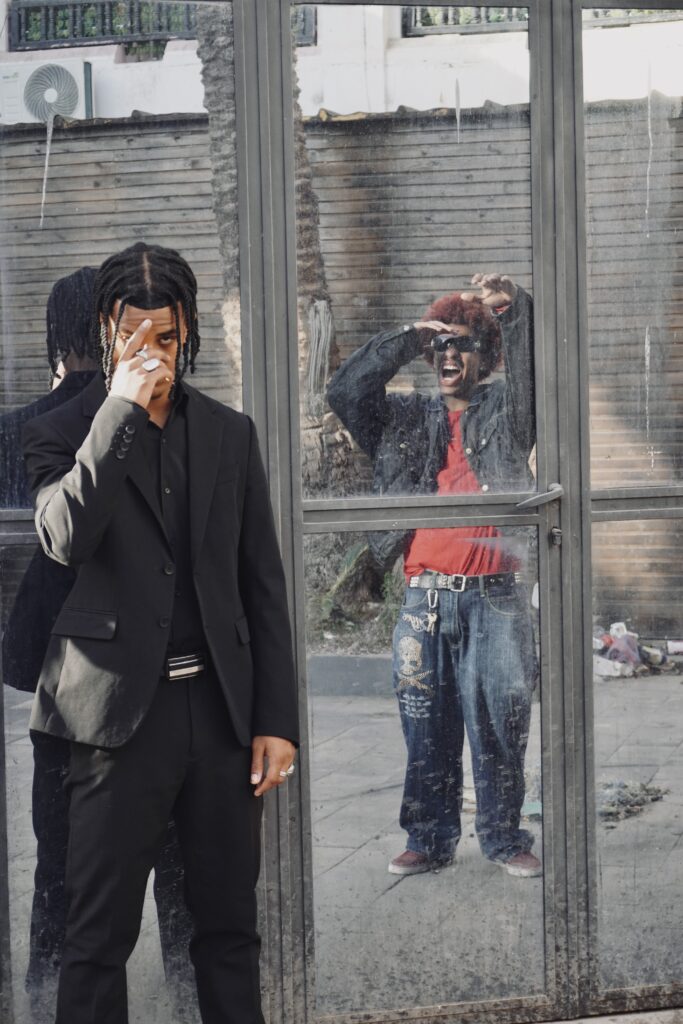
‘Photography gave me another language’
Boukadi’s connection with photography began with its visual appeal. He loved the ability to capture a moment and make it look the way he imagined it. With time, however, he discovered that the camera could do much more than preserve what happened.
Some feelings resist words. Photography gave him another way to express them, turning emotions he struggled to explain into scenes people could experience for themselves.
“Photography gave me another language. I could take an emotion, build a scene around it, and turn something invisible into something people could actually see,” he said.
What began as an interest gradually became part of how he understands himself and the world around him. Today, his images offer a glimpse into that inner world, with each project exploring different emotions while remaining connected to something personal.
The feeling behind the image matters
Identity, loneliness, love, chaos, transformation, and “the relationship between reality and imagination” are recurring themes in Boukadi’s work.
His fascination with identity extends beyond how people present themselves. He explores the tension between the person someone is, the person they aspire to become, and the parts of themselves they conceal. Characters and alter egos give him a way to examine these contradictions visually.
He also returns to the number four, which holds personal meaning and has gradually become part of his creative identity.
Even when two projects look completely different, Boukadi says, an emotion or a piece of himself usually connects them. The setting, character, and visual style may change, but the feeling remains central.
“I might change the setting, the character, or the visual style, but the feeling behind the image is what matters most.”
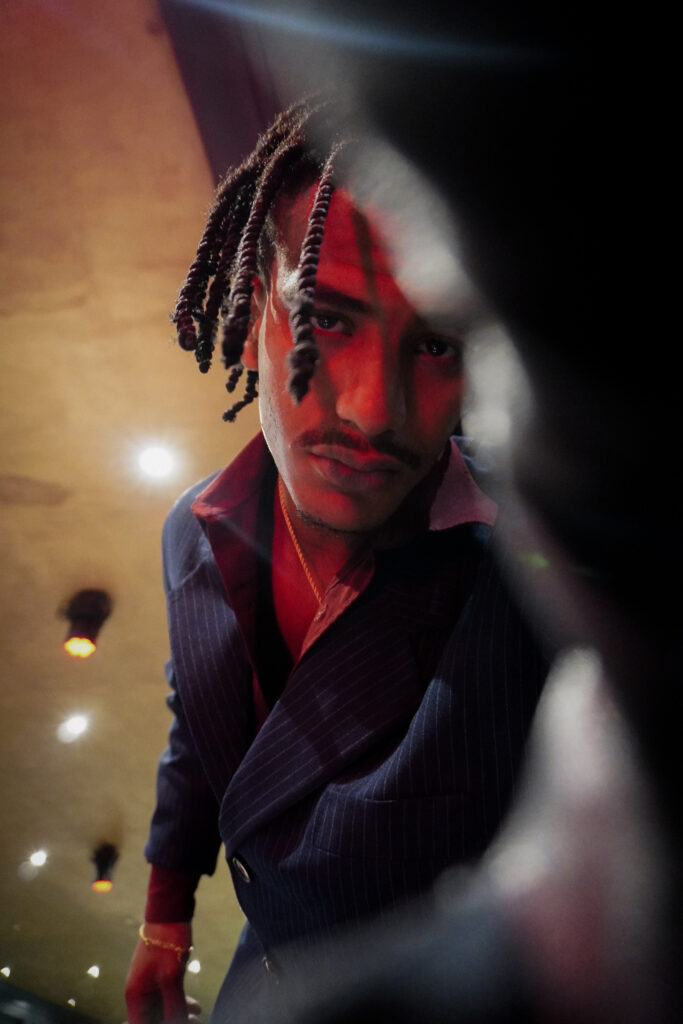
‘Wake Up Abdellah’
Boukadi’s ongoing project, “Wake Up Abdellah,” brings these ideas into a more personal space. Rather than simply creating characters and scenes, he uses them to explore emotions, experiences, and difficult periods in his own life.
The project did not begin with one dramatic turning point. Instead, a series of challenges gradually left him feeling disconnected from himself and from the things he once loved.
“Photography has always been something I loved, but at some point, even the things I loved became complicated,” he said, explaining that he found himself carrying emotions he could not fully explain and needed a way to express them.
“That’s where “Wake Up, Abdellah” began. I decided to turn those feelings into a visual world, where every character, act, and interlude could represent something happening inside me.”
The title itself grew out of a question he needed to confront: Was he truly living, or simply moving through life without understanding what was happening to him?
The project became a way to face that question, using images to explore what he could not easily put into words.
Giving emotions a character
Each act and interlude in “Wake Up, Abdellah” explores a different emotion or experience, which Boukadi translates into visual details that give the feeling a tangible form.
Boukadi begins by imagining the emotion before deciding how to photograph it. The colors, lighting, composition, clothing, and location then help translate that feeling into a visual language.
When depicting chaos, he may use red tones, sharp compositions, or “a character who appears to be fighting someone.” To convey loneliness, he might place a character in a setting that emphasizes their isolation. “Sometimes, the meaning comes from a detail that people might not notice immediately,” he told Lifestyle Magazine.
Giving emotions their own characters allows him to tell a story without explaining every part of it.
“My goal isn’t necessarily for everyone to interpret the image the same way I do. I want them to feel something first, then discover their own meaning in it.”
When pain becomes armor
Voir cette publication sur Instagram
In “The Bleu Gangster” interlude, Boukadi shares the line, “A man is a gun, if the wounds are deep enough.” That striking metaphor explores how pain can shape the ways people protect themselves.
“When a person gets hurt enough, they might start building walls, hiding their vulnerability, or becoming someone they never thought they would be,” he explained.
For Boukadi, the gun represents “what happens when pain turns into defense.”
“Something that once seemed harmless can become dangerous after the wrong experiences change it,” Boukadi elaborated.
“The Bleu Gangster” is where he explored that darker side of human nature without suggesting that pain excuses every action.
“Sometimes, the armor we build to protect ourselves ends up hurting the people around us, too.”
The fight within
Another chapter, “Alter Ego,” explores the conflict between two figures who eventually reveal themselves as the same person.
Voir cette publication sur Instagram
“Soumo represents that chaotic, aggressive side. He believes there’s someone beside him, someone he can confront, until he realizes that he was alone all along. The person he was fighting was himself.”
For Boukadi, that realization reflects a familiar human tendency. When we struggle, we sometimes look for someone or something to blame before considering what might be happening within us.
The chapter explores that difficult confrontation through imagery rather than relying on dialogue to explain everything.
Four characters, one creative universe
In “The 4th Agency,” Boukadi introduces four agents with distinct personalities. “Way G represents balance, Velane a nonchalant attitude, Flora energy, and Distorba chaos.”
Voir cette publication sur Instagram
Each character has a specific identity and role within the story. Their differences shape how they interact and how they exist within the same creative universe.
The number four also carries personal significance for Boukadi, making its appearance across his projects more than a visual choice.
“For me, the interesting part is how different personalities can coexist, clash, and balance one another. It’s another way to explore the complexity of people without reducing them to a single characteristic,” he told Lifestyle magazine.
Creating a scene, not just a pose
Boukadi’s photographs often resemble movie stills rather than conventional portraits. That cinematic quality depends on more than lighting and composition. It also comes from how he directs the people in front of his camera.
Instead of simply asking models to convey a specific emotion through facial expressions alone, Boukadi gives them a character to embody and a situation to inhabit. He explains who the character is, what they are going through, and what led up to the moment being photographed.
This context helps models respond more naturally to the scene. Boukadi also considers their body language, gaze, and interactions with their surroundings to make the image feel like a moment within a larger story.
“I don’t want the model to feel like they’re just posing for a camera. I want them to feel like they’re inside a scene,” he said.
“The goal is to create a moment that feels as if the camera happened to capture it, rather than something that was arranged for the photograph.”
When the setting becomes part of the story
Locations play an equally important role in Boukadi’s visual universe. From intimate indoor scenes to wide desert landscapes, each setting needs to contribute something to the story rather than simply look beautiful in the background.
A location can shape how viewers perceive a character, reinforcing the emotion Boukadi wants to convey. He may find inspiration in a particular setting and build a story around it, or seek out a location that brings an existing idea to life.
“I try to make the environment feel like another character in the story, something that helps communicate what words cannot.”
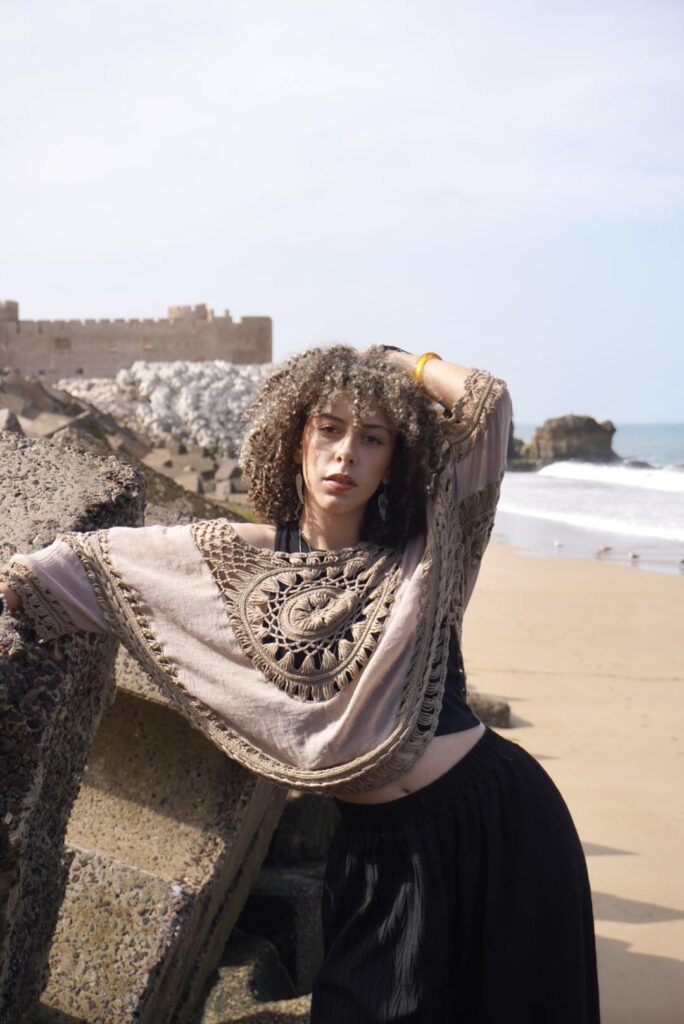
What comes next for ‘Wake Up Abdellah’?
As the project moves toward its remaining chapters, Boukadi sees Act IV as the point where its different threads begin to come together. He wants to explore the relationship between passion, identity, and the pressure people place on themselves when something becomes a defining part of their lives.
For this chapter, Boukadi turns to childhood, with his younger brother standing in for his inner child. Instead of revisiting the turmoil of that period, he wants to examine its aftermath and what it has left behind.
Through this final stretch of the project, he hopes to convey that passion should not come at the expense of one’s sense of self. Losing one’s way does not necessarily mean losing the connection to what once mattered. Sometimes, finding it again begins with understanding why it became difficult in the first place.
A story that keeps going
For Boukadi, “Wake Up Abdellah” is an intimate account of his life, told through the characters and stories he creates.
Each chapter draws on a different part of his personal journey, although he leaves viewers to decide what those images mean to them rather than spelling out every detail.
Beyond sharing his own experiences, Boukadi hopes the project will encourage others to look at photography as a form of expression that extends beyond aesthetics. An image can give shape to emotions that are difficult to articulate, while allowing viewers to connect their own experiences to someone else’s story.
“If someone looks at my work and finds a piece of their own story in it, then the project has reached beyond me. And that’s something I value deeply,’ he concluded.
Read Also: Salma Tahri on Horses, Heritage and the Woman Behind ‘La Cavalière Élégante’