‘Casa Color’ Opens in Casablanca With a New Creative ‘Soft Space’ Concept
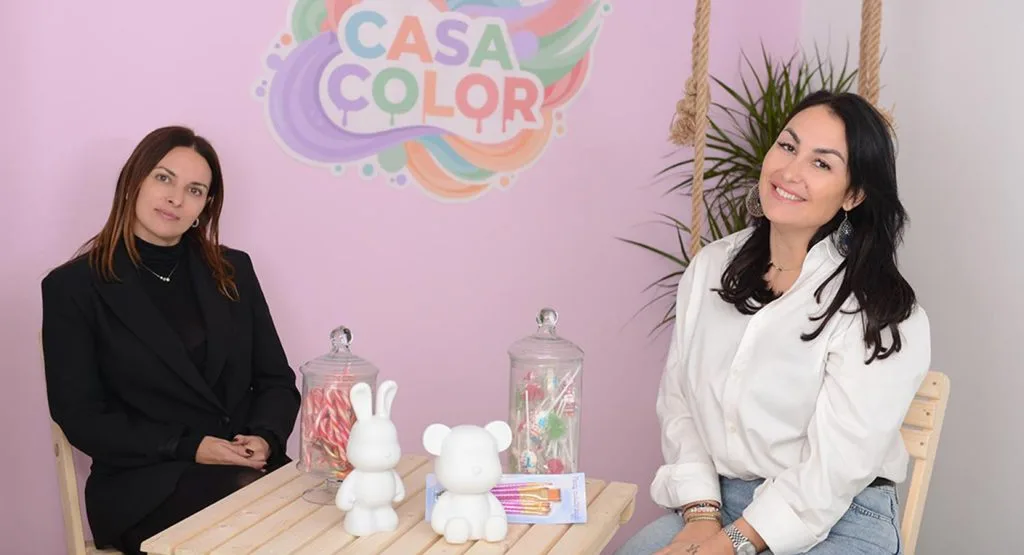
The newly launched boutique blends art-making, calm ambiance, and small wellbeing rituals, introducing pouring painting on bear figurines to Casablanca.
Moroccan Actress Kawtar Tissia Joins Humanitarian Medical Initiative to Aid Children with Birth Defect

The initiative is led by Professor Qasim Jamal to provide free monthly treatment for children with birth defects.
Australia to Ban YouTube for Kids Under 16, Platform Fires Back
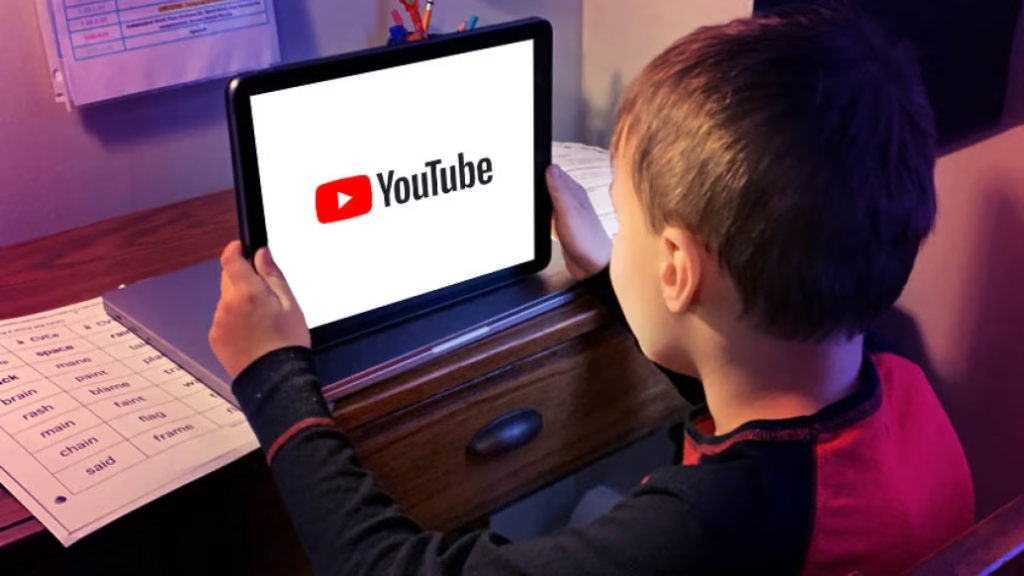
Under the law, companies must verify the age of users through approved ID checks or facial recognition technology. Non-compliance could result in significant financial penalties or other enforcement actions.
‘El Da7ee7’ Joins Spacetoon for a New Adventure!
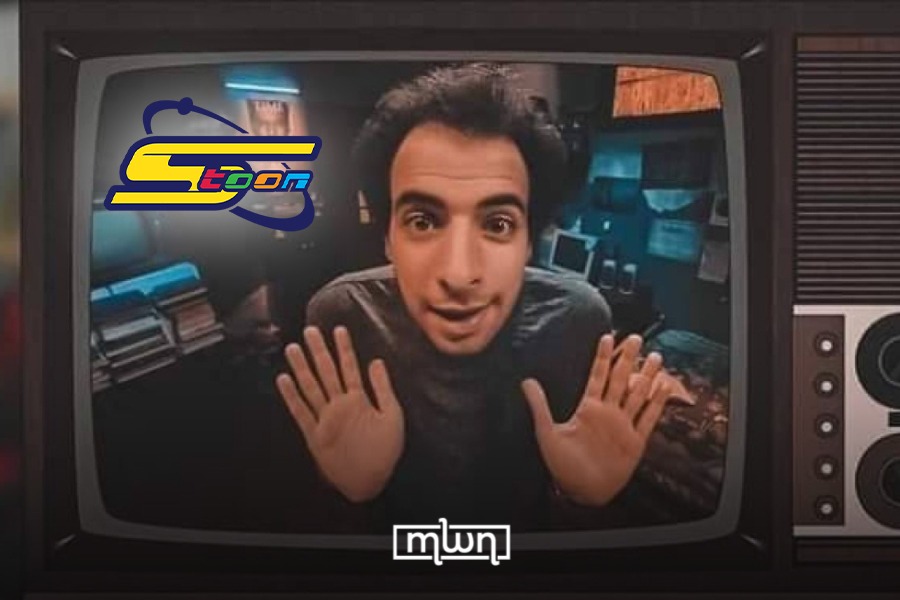
The science wiz El Da7ee7 and Spacetoon? Now that’s a crossover we didn’t see coming! Fez– If you grew up glued to Spacetoon, get ready for a blast from the past, but this time, with a scientific twist! The iconic Arabic kids’ channel just announced an exciting new collaboration with none other than Ahmed El Ghandour, aka El Da7ee7. Yes, you read that right! The science storytelling wizard is joining Spacetoon’s family with a brand-new show. The program, titled “The Last Da7ee7 on Earth,” is set to target kids and young viewers, blending entertainment with knowledge in the signature El Da7ee7 style. While the exact release date remains under wraps, the buzz is already off the charts. Spacetoon’s 25th birthday gift to us To make things even more dramatic (because, why not?), Spacetoon dropped a teaser post on Instagram featuring a promotional image of the show. The caption? A poetic tribute to El Da7ee7’s genius: “A brilliant mind has joined Spacetoon’s family on its 25th anniversary… A personality that redefined explanation… Now, he’s gearing up for a new adventure.” Cue the nostalgia-induced excitement! Fans of El Da7ee7, known for his unique mix of wit, science, and rapid-fire explanations, couldn’t contain their enthusiasm. Some even declared that this would be their official return ticket to Spacetoon, because let’s be honest, who wouldn’t want to relive their childhood while also learning mind-blowing facts? This collaboration isn’t just about a cool new show, it’s a statement. Spacetoon, which shaped the childhood of an entire generation, is clearly evolving to stay relevant for both kids and the now-grown fans who once obsessed over its animated classics. By bringing in a powerhouse like El Da7ee7, the channel is expanding its content to appeal to a wider audience, including young adults and nostalgic millennials. With Spacetoon taking a step into educational content for a broader age group, this could be the start of something huge. Will this fusion of nostalgia and science spark a new wave of learning entertainment? One thing’s for sure, this show is not just another TV program; it’s a cultural moment in the making. Read also: Adrien Brody’s Tangier Adventure
Moroccan Families vs. Personal Space
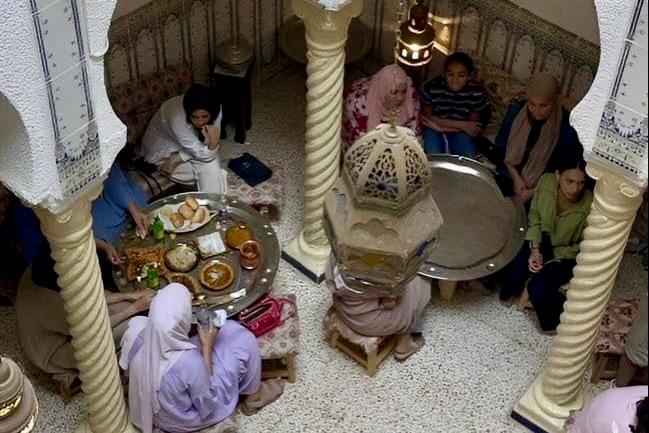
Do some Moroccan families really know where to draw the line between care and control? Fez– In a Moroccan home, privacy is not always a right, it’s something you negotiate for, day by day. Walls are thin, doors rarely lock, and personal space? That’s just a Western fantasy to most families. From the moment you wake up, you’re never really alone. Your bedroom door is knocked on (or just opened), your phone might get a glance if left unattended, and your choices, from what you wear to who you call , are often open for discussion. It’s not always controlling, but it’s there, that invisible presence of family watching, caring, and sometimes crossing the line without even realizing it. For generations, Moroccan families have been built on the idea of closeness. It’s love, protection, and tradition all mixed into one. Meals are shared, secrets aren’t really secrets, and everyone somehow knows what’s happening in each other’s lives. In theory, it sounds beautiful, a big family that’s always there for you. In reality, it’s exhausting. Because where do you go when you just need to breathe? Where do you hide when you’re not ready to explain why you’re upset, or why you spent an hour on the phone with someone your parents don’t know? Privacy is not a sign of rebellion, but in many homes, it’s treated like one. If you close your door for too long, they ask why. If you lock it, they assume the worst. The simple desire to be alone becomes suspicious, almost offensive. It’s not that Moroccan families don’t love their children, they do, fiercely. But somewhere along the way, love and control became tangled, and personal space got lost in the process. Parents were raised without it, so they don’t always understand why their children crave it now. They see privacy as distance, and distance feels like rejection. But times have changed. Young Moroccans are growing up in a world where independence matters. Social media gave them private lives online, and they want that offline too. They want to close their doors without guilt, to own diaries no one reads, to make choices without explaining every detail. Not because they’re hiding something, but because they’re human. Privacy isn’t a luxury. It’s oxygen. It’s the space to think, to feel, to exist as an individual before returning to the family unit. Moroccan families aren’t toxic, but they do need to learn that closeness and personal space can exist together. Love doesn’t disappear when you close the door. Sometimes, it gets stronger. It’s time to stop treating privacy like a problem. It’s time to understand it’s part of growing up, and part of love itself. Read also: The Cherished Role of the ‘Naffar’ During Ramadan
Should Children Have a Say in Family Decisions?
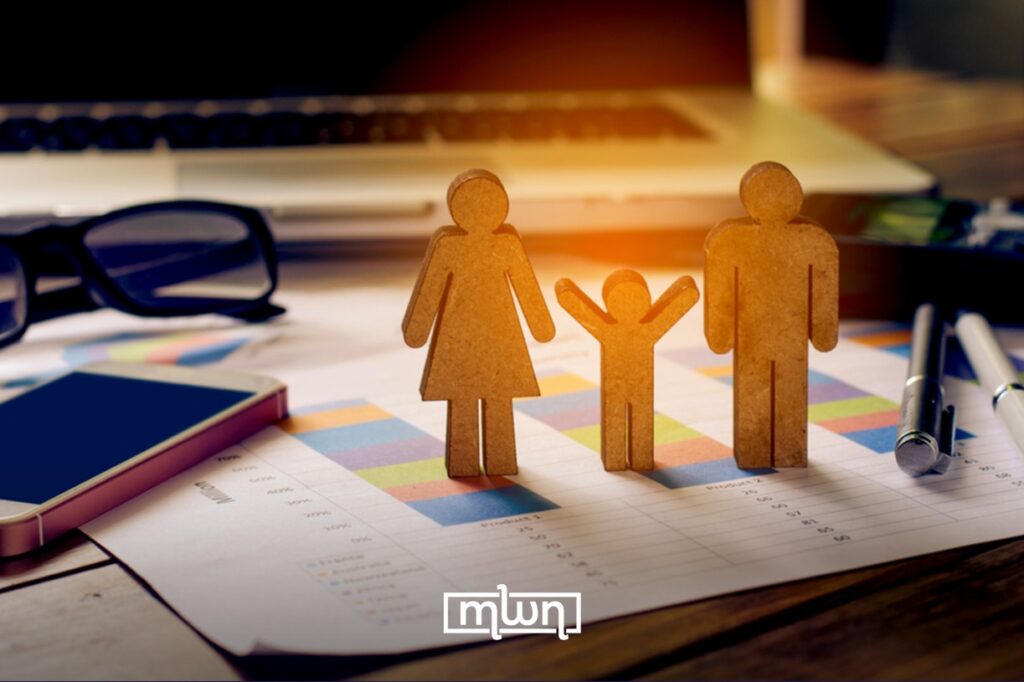
Sometimes the smallest voices in the house have the biggest impact. Fez– Many parents believe they know best when it comes to family decisions. After all, they have experience, wisdom, and a deep love for their children. But does that mean children should have no say? Absolutely not. Giving kids a voice in family decisions is not just about making them happy. It shapes their personality, builds confidence, and teaches them responsibility. Building strong, confident individuals Children who are allowed to express their opinions grow into confident adults. When they feel heard at home, they learn that their thoughts matter. This helps them speak up in school, in friendships, and later in their careers. A child who is always told, “You’re too young to decide,” may grow up doubting their ability to make choices. Imagine a family planning their summer vacation. If parents make the decision alone, the children might feel ignored. But if they ask, “Where would you like to go?” or “What activities do you enjoy?” kids feel valued. Even if parents make the final call, the fact that children are involved boosts their confidence and sense of importance. Teaching responsibility and decision-making Making choices comes with responsibility. When children help in family decisions, they learn about consequences. Say a child insists on getting a pet. Instead of saying “No, it’s too much work,” parents can discuss responsibilities. “If we get a dog, you need to walk it every day. Do you think you can handle that?” This approach makes kids think, reflect, and understand the impact of their choices. Small decisions prepare children for bigger ones. A teenager who helped in family discussions about finances, house rules, or school choices will have better judgment when making life-changing decisions as an adult. Strengthening the parent-child relationship A home where children are heard is a home where trust grows. When kids feel safe expressing their thoughts, they are more likely to share their problems. If parents always dismiss their opinions, children may stop talking altogether. Take the example of a family moving to a new city. If parents discuss it openly, asking, “How do you feel about this move?” children will process the change better. But if they only hear, “We’re moving, deal with it,” they might feel powerless, anxious, or even resentful. Creating future leaders The world needs leaders who think critically and speak with confidence. A child who participates in family discussions learns these skills early. They understand negotiation, compromise, and standing up for what they believe in. Involving kids in decisions doesn’t mean letting them rule the house. It means respecting their thoughts and guiding them wisely. A child’s voice matters. And when they know it does, they grow into adults who believe in themselves and create a better world. Read also: Should Children Be Allowed to Have Social Media Accounts?
Should Children Be Allowed to Have Social Media Accounts?
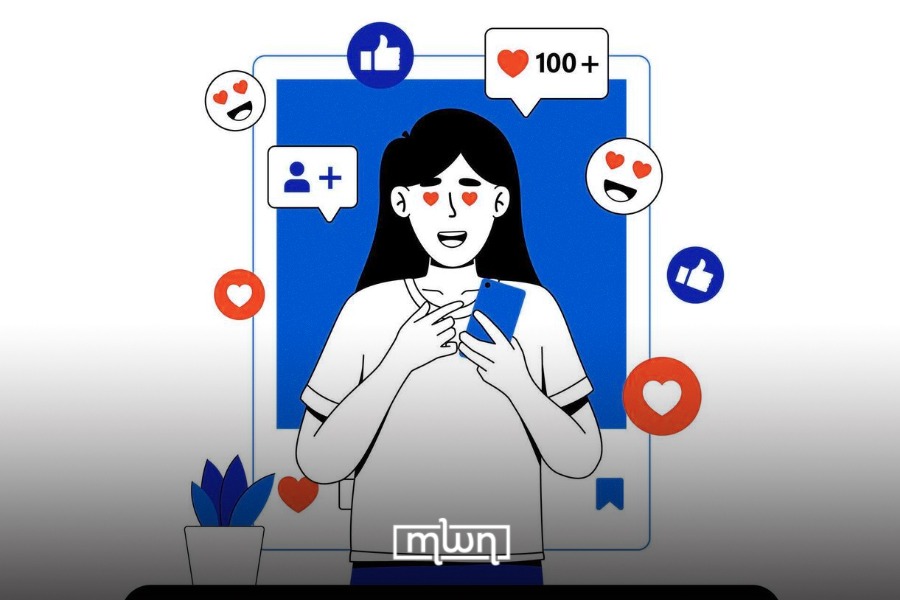
In this era social media became a necessity for everyone, but when “everyone” starts including kids, that’s when danger alarms go off. Fez – Social media is everywhere. Kids see their parents, friends, and even teachers using it. They want to be part of it too. But is it a good idea? Some people say yes, others say no. Let’s look at both sides. Letting kids use social media Some parents think social media is not a big deal. They believe children should learn to use it, even at a young age. After all, social media is part of life now. It helps kids stay in touch with friends, especially if they live far away. It can also be educational. Many pages and accounts share fun facts, history, and even school tips. Another argument is that social media can help kids express themselves. They can share their hobbies, make art, and connect with others who like the same things. Some kids even find confidence online that they don’t have in real life. Not letting kids use social media On the other hand, many experts say social media is dangerous for children. First, it is full of strangers. Kids can talk to anyone, and not everyone is safe. Some people lie about who they are, and children may not realize it until it’s too late. Another problem is mental health. Social media makes kids feel bad about themselves. They see perfect pictures and think their lives aren’t good enough. Cyberbullying is also a big issue. Kids can be meaner online than in real life, and it’s easy to get hurt. Social media is also addictive. Children can spend hours scrolling instead of playing outside, doing homework, or talking to their family. They lose focus and sleep late because they can’t stop checking their screens. The hard truth: kids should stay off social media Letting kids have social media is not just a bad idea. It’s completely wrong. Children are too young to handle the dangers. They don’t know how to protect themselves from strangers. They don’t understand that social media is not real life. They don’t need likes and followers; they need real friends, real hobbies, and real experiences. Parents who give kids social media accounts are taking a huge risk. They are exposing them to dangers they can’t control. Childhood should be about playing, learning, and growing, not worrying about comments, filters, or online drama. If a child asks for a social media account at a young age, the answer should be simple: No. Read also: The Lasting Impact of Violent Parenting