The Colors of Moroccan Cities
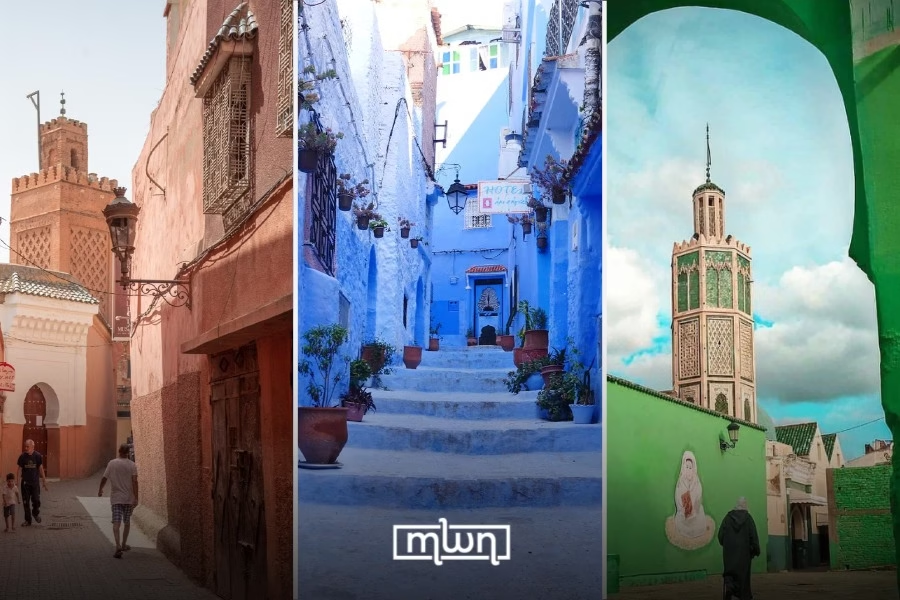
Did you know that each city in Morocco is defined by its own color? Fez– Morocco, a land where tradition and modernity blend seamlessly, is a country that paints itself in the most striking colors. From lush greens to tranquil blues, deep reds, and radiant yellows, each Moroccan city tells its own story through the shades that adorn its streets. These hues are more than just aesthetics, they reflect the essence of the people, history, and environment that shape them. Let’s explore the colors that define Morocco’s cities and uncover the soul of each one. Ouazzane: The green city Nestled at the southern edge of the Rif Mountains, Ouazzane is affectionately known as Morocco’s “Green City.” This tranquil town is enveloped by lush landscapes, where olive groves and rolling hills create a serene atmosphere. The abundant greenery not only offers a refreshing visual respite but also symbolizes renewal and peace, distinguishing it from other regions of Morocco. Ouazzane’s verdant surroundings reflect a deep-rooted connection to the land, inviting visitors to experience both its natural beauty and its rich cultural heritage. Chefchaouen: The blue city Chefchaouen, with its iconic blue-painted walls and alleys, is a place where color and calm merge effortlessly. The blue that envelops the city is no mere decoration; it has deep cultural and spiritual significance. Some say it symbolizes the heavens, others believe it keeps away insects and makes the houses cooler, but all agree that it brings an unmatched sense of serenity. The city’s tranquil blue streets are a haven for travelers and locals alike, offering a peaceful escape where the sky and the buildings seem to unite in perfect harmony. Marrakech: The red city Marrakech, with its rich, warm tones, is the epitome of Morocco’s unique energy. Known as the “Red City,” the hues of terracotta and ochre that cover its buildings exude warmth and history. This color palette speaks to the city’s deep roots in both ancient tradition and contemporary life. The ochre-colored walls of Marrakech’s old medina, contrasted by the souks and modern cafes, create a dynamic that feels timeless yet ever-evolving. The red here doesn’t just capture the eye, it embodies the spirit of resilience and passion that defines Marrakech. Casablanca: The white city Casablanca, Morocco’s economic heartbeat, is known as the “white city” for its sleek, whitewashed buildings that grace the coastline. The city’s clean, airy aesthetic reflects its modern identity, while the white symbolizes purity and openness. Casablanca’s wide boulevards, lined with artistic structures, evoke a sense of elegance and progress. With the Atlantic Ocean as its backdrop, the city shines with a cosmopolitan energy that perfectly balances Morocco’s rich history and its forward-thinking future. Fez: The yellow city Fez, with its labyrinthine medina and ancient charm, often carries the moniker of the “yellow city.” The warm, golden tones of its buildings are a testament to the city’s intellectual and spiritual history. Fez was once the center of learning in the Arab world, and its color reflects the city’s luminous past. The golden hues of the city’s ancient walls and intricate mosaics evoke a sense of wisdom and culture that has persisted through the ages. In Fez, yellow symbolizes the light of knowledge and the enduring spirit of a city that has shaped Moroccan heritage. Beyond the iconic hues of Morocco’s best-known cities, there are countless other towns and regions that add their own colors to the country’s palette. From the pink-tinged buildings of Taroudant to the golden desert sands of Zagora, Morocco is a canvas where every corner offers a new shade, telling a different story. Each color in Morocco’s cities is a reflection of its people, its history, and its place in the world; rich, varied, and eternally captivating. Read also: Taza: The Forgotten Jewel of Morocco
Taza: The Forgotten Jewel of Morocco

Hidden between mountain ranges, Taza is the gateway to Morocco’s untold history. Fez– Hidden in the folds of Morocco’s dramatic landscapes lies Taza, a city often overlooked but historically indispensable. Dubbed “the gateway to Morocco” by historians and likened to a precious diamond by renowned Moroccan historian Abdlhadi Tazi, this ancient stronghold has been a linchpin in shaping the country’s past. Yet, despite its significance, Taza has slipped into the shadows of history, waiting for its rightful recognition. Taza’s strategic position is nothing short of extraordinary. Nestled between the Middle Atlas and the Rif Mountains, it serves as a natural bridge connecting the east to the west of Morocco. This prime location has made it a crucial military and trade passage for centuries. Evidence of human settlement in the region dates back to the Stone Age, reinforcing its status as one of the oldest continuously inhabited cities in the world. However, with time, the city fell into relative obscurity, earning the melancholic label of a “forgotten” gem. Today, Taza consists of two distinct parts: the Upper Town (Taza Olia) and the Lower Town (Taza Soufla), connected by a steep, stepped incline crowned with the historic Bab Er-Rih gate. Its topography and location have made it a coveted stronghold for empires and dynasties, ensuring its walls have witnessed the ebb and flow of power across the ages. A military and political nexus Taza was more than just a passageway, it was a prize. The city’s control meant dominance over the movement of armies and caravans, giving its rulers strategic leverage. Historical accounts confirm Taza’s-long standing military significance, with dynasties such as the Almohads, the Marinids, and later the Alaouites fortifying it against invaders. Even as late as the early 20th century, Taza remained a fortress of resistance. It was among the last Moroccan cities to fall under French occupation in 1914, a testament to its unyielding spirit and formidable defenses. Beyond its military prowess, Taza is a cultural and architectural treasure trove. The city’s historic core is a living museum, filled with ancient walls, mosques, and medersas (Islamic schools). The Marinids, in particular, lavished attention on Taza, treating it almost as an extension of their capital, Fez. They built schools, baths, and fortifications, solidifying the city’s intellectual and strategic importance. One of Taza’s most mesmerizing landmarks is its Great Mosque, home to the biggest chandelier weighing a staggering 32 quintals of copper. Commissioned by the Marinid Sultan Abu Yaqub Yusuf, this chandelier is more than just an ornate fixture, it’s a poetic masterpiece. Engraved on its surface are verses that celebrate its unparalleled beauty, echoing the city’s pride: “O you who gaze upon my splendor, take in the sight, Delight in my beauty that outshines the light, I am the chandelier that Taza boasts, No equal to me will time compose.” Taza’s story is one of resilience, grandeur, and, perhaps, a touch of neglect. Its legacy is carved in stone and whispered through its ancient streets. From its prehistoric caves, which hold remnants of early human life, to its medieval fortresses that have withstood centuries of turmoil, the city remains a silent testament to Morocco’s layered history. But silence should not mean invisibility. As historian Abdelhadi Tazi once urged, it is up to today’s generation to reclaim Taza’s story and share it with the world. And here stands a child of Taza, bound by love and legacy, honoring its legendary history with unshaken pride and a heart heavy with longing. The city may have faded from the limelight, but its brilliance, like the diamond it is, remains undiminished, waiting for a new era of discovery and appreciation. Read also: The Tradition of ‘Tefkida’ in Morocco
Iconic Symbols of Moroccan Cities
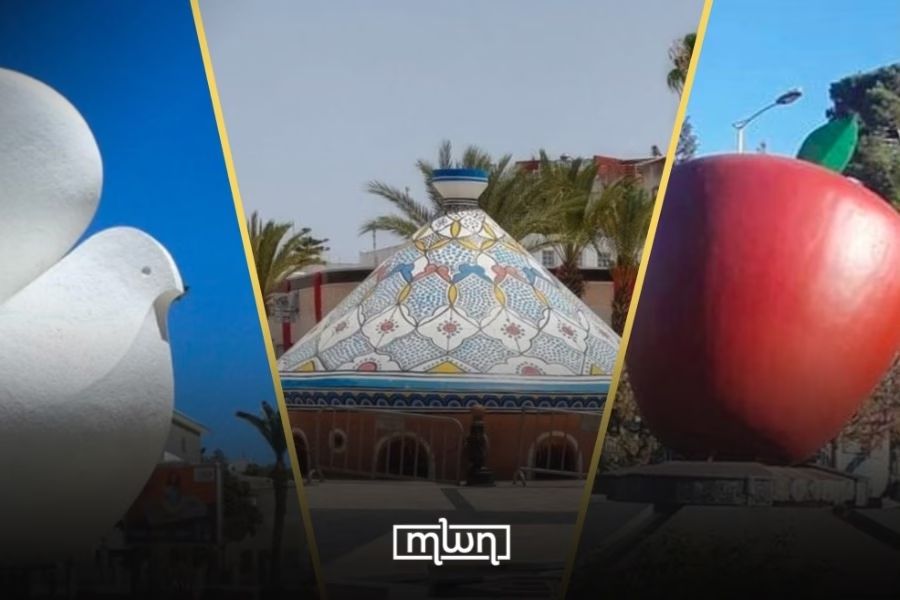
Fez– Morocco is a land of rich history, diverse culture, and stunning landscapes. Each city has its own unique charm, but some go above and beyond to stand out, using giant statues and striking symbols that become the face of the town. These big icons decorate the streets but also tell the stories of the cities they represent. Berkane with the best oranges in Morocco Berkane, a city that’s not just famous for its fertile lands but also for producing some of the most delicious oranges in Morocco. This fruit is a symbol of Berkane’s agricultural prowess, and the towering orange statue at the heart of the city says it all. It’s not just about the fruit, though; it’s about the tradition, the harvest, and the pride that comes with being the nation’s orange capital. Next time you’re near Berkane, make sure you snap a photo with this juicy icon, after all, you’re standing beside a slice of Moroccan agriculture at its best! Kalaat M’Gouna as the rose capital of Morocco Head to Kalaat M’Gouna, and you’ll be greeted by an explosion of pink. This city is known as Morocco’s rose capital, thanks to the high-quality roses grown here, which are used in everything from perfumes to cosmetics. The city’s rose festival is a spectacle that draws visitors from all over the world. Because roses are the city’s pride, you’ll find pink everywhere. The color pink in taxis serves as a reminder of the region’s natural beauty and its pivotal role in the international floral industry. Midelt as the capital of apples Midelt is the city where apples reign supreme. Known as the capital of apples, Midelt’s fertile valleys produce some of the country’s finest fruit. The giant apple statue scattered in town is a tribute to this important agricultural legacy. It’s a constant reminder of the hard work that goes into cultivating the best apples Morocco has to offer. Whether you’re passing through or staying a while, this statue makes sure you don’t forget Midelt’s role in the country’s agricultural legacy. Safi as the pottery powerhouse Safi isn’t just a coastal city with a stunning shoreline, it’s also the pottery capital of Morocco. The giant pottery statue, in the shape of a tagine, in the heart of the city stands tall as a tribute to the craft that has been passed down through generations. Known for its unique ceramic art, Safi’s pottery is famous worldwide for its beauty and craftsmanship. The iconic pottery statue around the city showcases the deep cultural roots and the artisanal expertise that has made Safi a symbol of Moroccan craftsmanship. Tetouan the pigeon of the north Let’s not forget Tetouan, a city that boasts not just history but also a famous symbol: the pigeon. With its stunning views and historic medina, Tetouan has become synonymous with pigeon imagery, a nod to the city’s connection to Moroccan culture and heritage. The giant pigeon statue that graces the city is both quirky and charming, capturing the essence of Tetouan in a way that only a pigeon can, humble, yet full of character. Each of these symbols embodies the soul of its city, showing the culture, history, and pride that define Morocco. These icons aren’t just decorations, they’re living stories, standing strong as reminders of the traditions they represent. Next time you’re wandering through Morocco, look out for these symbols; they’re the real heart of the cities. Read also: The Oldest Ceratopsid Fossil Ever Discovered in Morocco’s Boulemane