From Love Letters to Voice Notes: How Romance Changed
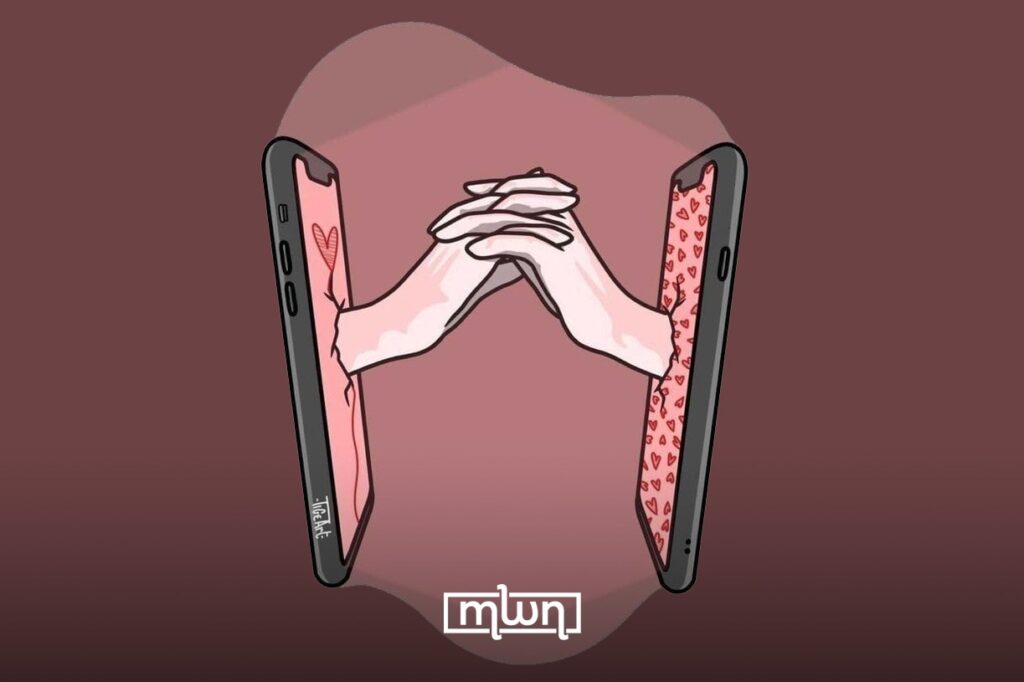
Once upon a time, love letters were treasures. Today, a voice note might be all we get. Fez– There was a time when love was written in ink, sealed in envelopes, and carried across cities or even continents. A time when every word was carefully chosen, every sentence crafted with patience, and every letter kept as a treasure. Fast forward to today, and romance is no longer waiting for the postman. It’s instant. It’s digital. It’s a voice note sent at 2 AM, a disappearing text on WhatsApp, or a short but sweet “thinking of you” GIF. Love letters had a magic of their own. They were proof of devotion, effort, and deep emotion. Writing one wasn’t just about saying “I love you.” It was about capturing the feeling in words, choosing the right paper, the right perfume to spray on it, the right moment to send it. And the wait, the anticipation of a reply, was its own kind of thrill. Lovers cherished these letters for years, some even passing them down as family heirlooms. Then came mobile phones and emails, and love letters started fading. Why wait weeks for a reply when you could get an “I miss you” in seconds? SMS, MSN Messenger, and emails took over, bringing love into a new era. While some still wrote long emails expressing their hearts, most started getting comfortable with shorter, faster exchanges. Read also: The Role of Music in Moroccan Public Life Then social media arrived. Suddenly, romance wasn’t just private, it was public. Couples posted love-filled captions, anniversary videos, and even daily updates about their relationships. A heart emoji on a comment meant more than a handwritten paragraph. Love became part of the timeline, a highlight on Instagram stories, a Snapchat streak. And now? We don’t even type as much. Voice notes have taken over. There’s something deeply intimate about hearing someone’s voice, their laughter, their pauses. It feels closer, more real. A whispered “I love you” at the end of a voice note can carry more warmth than a paragraph of text. But with speed comes a loss. Love letters could be held, reread, kept forever. A voice note? It can be deleted in seconds. A text can disappear with one accidental swipe. Has modern love become too temporary? Despite the changes, love itself hasn’t disappeared. It has simply adapted. The words may no longer be on paper, but the emotions are still there. The excitement of waiting for a reply, the butterflies when you hear their voice, the simple joy of knowing someone is thinking of you – it all still exists. Maybe romance isn’t dying. Maybe it’s just speaking a different language.
Do NFTs Mean the Death of ‘Real’ Art?
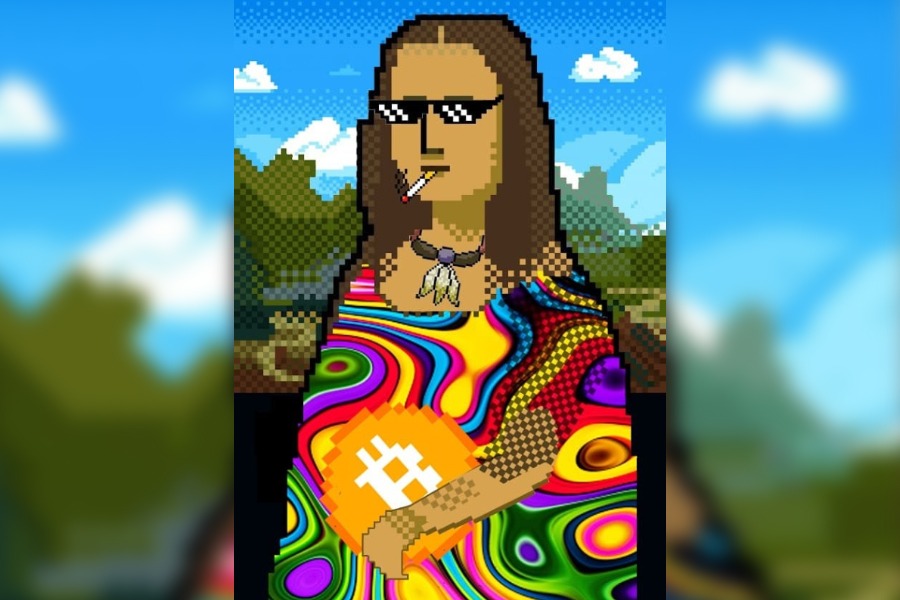
They said NFTs would save art, but no one asked if art even wanted saving. Fez – There’s this question I’ve been hearing everywhere. At art galleries, on social media, even during random coffee talks. Everyone wants to know, are NFTs killing real art? Let’s stop for a second. Let’s breathe because this question itself feels like a punch in the stomach. What even is real art? Is it the painting that makes you cry in the middle of a silent museum? Is it the street graffiti you pass by every day but only really see when your heart feels heavy? Is it the clay pot shaped by hands that trembled from both fear and passion? NFTs came into our world loud and proud. They promised artists freedom, money, fame all at once. They turned digital art into treasures with price tags that left everyone dizzy. Suddenly, your laptop screen held paintings that sold for millions. No gallery. No middleman. Just you, your art, and a buyer somewhere across the world. It sounded magical. But magic comes with a price. In this NFT chaos, something started to crack. People stopped asking about the story behind the art. They started asking about the blockchain, the contract, the resale value. Art became a product with a ‘flip’ potential, like sneakers or stocks. And that’s where it hurts the most. Art was never supposed to be a product. Art was supposed to be a scream, a whisper, a secret shared between the artist and the person who feels it. Art was supposed to sit with you in silence and hold your hand when you have no words. Art was not supposed to be a QR code. Does that mean NFTs killed real art? No. Because real art can’t die. Real art doesn’t live in markets, auctions, or Ethereum wallets. Real art lives in the cracks of your heart, in the silence between your sobs, in the shiver down your spine when you hear a voice or see a color that understands you better than any human ever could. NFTs didn’t kill art. They confused it. They made some people forget what art really is. But art itself? It’s still here. It’s in the streets, in the hands of a potter, in the voice of a child singing to no one. It’s in you, in me, in all of us who feel too much. Real art was never just a file. It was a heartbeat. And heartbeats never stop. Read also: Do Silent Wellness Retreats Really Work?