British-Moroccan Society Marks 50 Years With Casablanca Gala Dinner
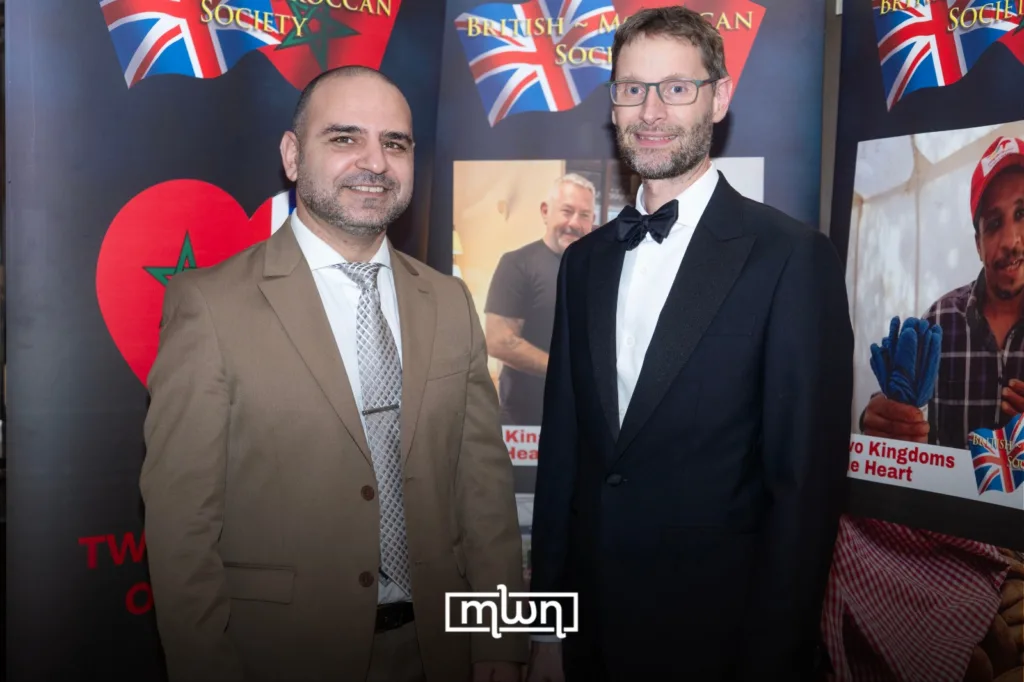
The anniversary event brought together members and supporters to celebrate five decades of the Society’s work while raising funds for education initiatives in the Atlas.
Valyans Al Ikram Foundation Gathers Partners to Advance Inclusion Through Education and Citizenship

The Foundation held its annual meeting at the Centre Tarfaya de la Deuxième Chance Nouvelle Génération (Tarfaya New-Generation Second Chance Center) to spotlight new partnerships and the third cohort of learners.
Humans Outperform AI at International Math Olympiad
AI models shined at the International Mathematical Olympiad, but the human contestants were the real stars.
South Korean Volunteers Launch Tech and Culture Program at Mohammed V University in Rabat
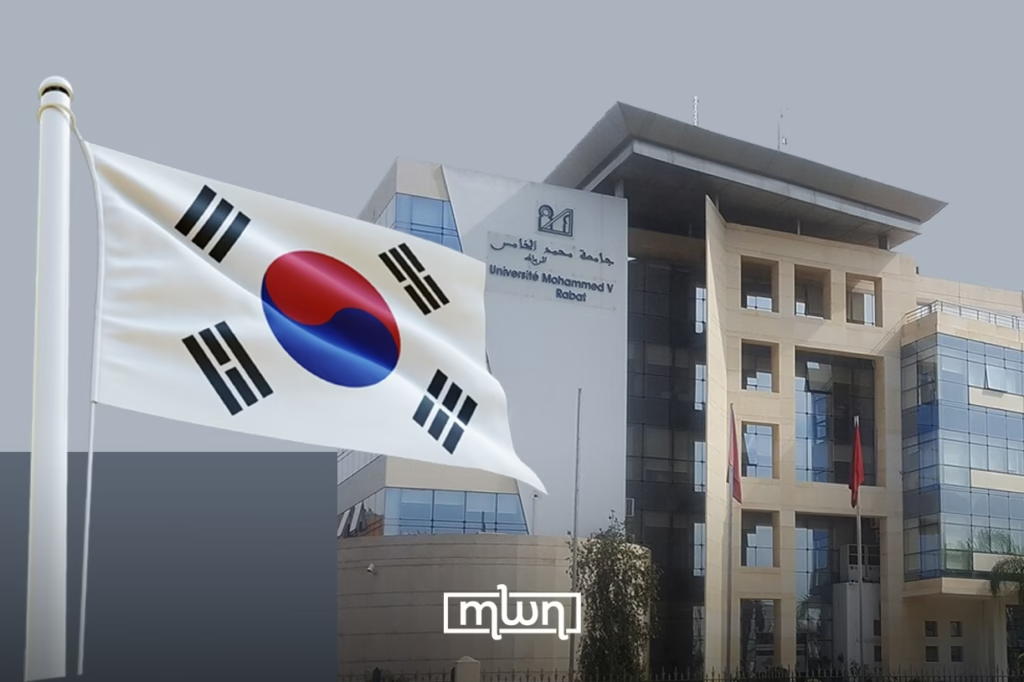
Moroccan students at Mohammed V University are set to explore Korean culture through a new volunteer-led program. Fez– A South Korean volunteer team is bringing a unique blend of digital education and cultural exchange to Morocco this July, as part of a growing initiative to foster international cooperation through technology and tradition. From July 7 to 24, 2025, the “Hello World!” team, composed of South Korean volunteers under the “World Friends Korea” program, will be stationed at Mohammed V University in Rabat. Their mission is to offer Moroccan students a hands-on introduction to both digital literacy and Korean culture. The program is supported by the National Information Society Agency (NIA) of South Korea, a government body dedicated to digital transformation and international outreach. Throughout their three-week stay, the team will lead workshops in basic programming, with a focus on Python, alongside sessions aimed at strengthening students’ digital skills and understanding of emerging technologies. But this is far from a conventional tech seminar. In parallel with the coding classes, students will be invited to dive into a curated lineup of cultural activities, including traditional Korean games, cuisine tastings, hanbok try-ons, and lessons in hangeul, the Korean alphabet. What sets this initiative apart is its dual focus: empowering Moroccan students with practical, in-demand digital competencies while also building bridges between Moroccan and Korean youth through shared cultural experiences. It is a concrete example of how volunteer-led educational programs can serve as soft diplomacy tools, fostering mutual understanding far beyond policy or trade agreements. This is not South Korea’s first cultural outreach in Morocco. Earlier this year, the Korean Culture Week in Rabat attracted widespread attention with its celebration of Korean music, food, and entertainment. The upcoming “Hello World!” initiative continues that momentum, adding a strong educational layer to the exchange. Organizers state that the experience is meant to be immersive and inclusive. Rather than passive lectures, participants will actively engage in discussions, hands-on projects, and cultural showcases designed to break down stereotypes and spark curiosity on both sides. Beyond the immediate benefits for students, the initiative reflects a broader strategic interest in developing long-term digital partnerships between Morocco and South Korea. Such international collaborations play a pivotal role as Rabat continues to position itself as a hub for innovation and youth empowerment in Africa. This initiative offers Moroccan students valuable skills while opening up space for real cultural dialogue. It’s a straightforward but meaningful exchange, young people teaching, learning, and sharing experiences across borders. This kind of human connection matters in this digital new world just as much as the digital tools being taught. Read also: Egyptian Actress Ghada Abdel Razek Faces Backlash from Moroccans over Support for Sherine
The Lasting Impact of Violent Parenting
Some lessons shape a child’s future, but when those lessons come with fear and pain, the scars last longer than the memories. Fez – Some children grow up in homes filled with love, patience, and understanding. Others live in fear of raised voices, harsh words, and hands that should comfort but instead cause pain. The debate on whether parents should use violence to educate their children is not new, but the scars, both visible and hidden, are real. Many parents believe that hitting a child teaches discipline. They say that strict punishment builds strong character. But fear is not respect. A child who fears a parent may obey, but not out of understanding. Instead, they learn to associate love with pain. They grow up walking on eggshells, afraid of making mistakes. They learn to hide their failures rather than face them. Discipline is important, but violence is not discipline; it’s control. There is a difference between teaching a child and making them afraid. A child who is shouted at, slapped, or beaten does not learn right from wrong. They learn that power wins. They learn that those who are stronger can hurt those who are weaker. Studies show that children raised with physical punishment are more likely to struggle with anxiety, depression, and low self-esteem. They may also become aggressive, repeating the same cycle with their own children. Some grow up never feeling good enough, constantly doubting their worth. The wounds left by violence do not heal with time. They shape the way children see themselves and the world around them. Breaking the vicious cycle of child abuse Many parents say they hit their children because they were raised the same way. But if something caused pain, should it be repeated? If a child learns best through kindness and communication, why choose violence? Parents have the power to break the cycle. Teaching a child through patience and guidance creates confidence, not fear. Violence does not only come in the form of physical punishment. Harsh words, insults, and humiliation cut just as deep. A child who is constantly told they are useless will grow up believing it. They will carry those words into adulthood, hearing them in their minds long after they have left their childhood home. Children remember how they were treated more than the lessons they were taught. They remember the nights they cried in silence. They remember the times they were too afraid to ask for help. But they also remember the moments when someone chose to listen instead of yell, to guide instead of punish. Raising a child is not easy. There are moments of frustration and exhaustion. But violence is not the answer. A child’s heart is fragile, and the way they are treated shapes the person they become. Words can heal or destroy. Hands can comfort or harm. Parents have a choice: to raise a child in fear or love. One leaves wounds. The other teaches self-esteem and can lay the groundwork for resilience for later in the child’s life. And in the end, a child who grows up feeling safe will always remember the home that taught them love over fear. Read also: What Does It Mean to Be a Fashionista?