How to Make Khobz El Shahma: Morocco’s Fluffy Bread with Fat

Warm, fluffy, and full of flavor, Khobz El Shahma is a beloved specialty of South-Eastern Morocco. Let’s explore this traditional bread and learn how to make it.
Al Maimouni: Port-View Moroccan Dining in Tangier
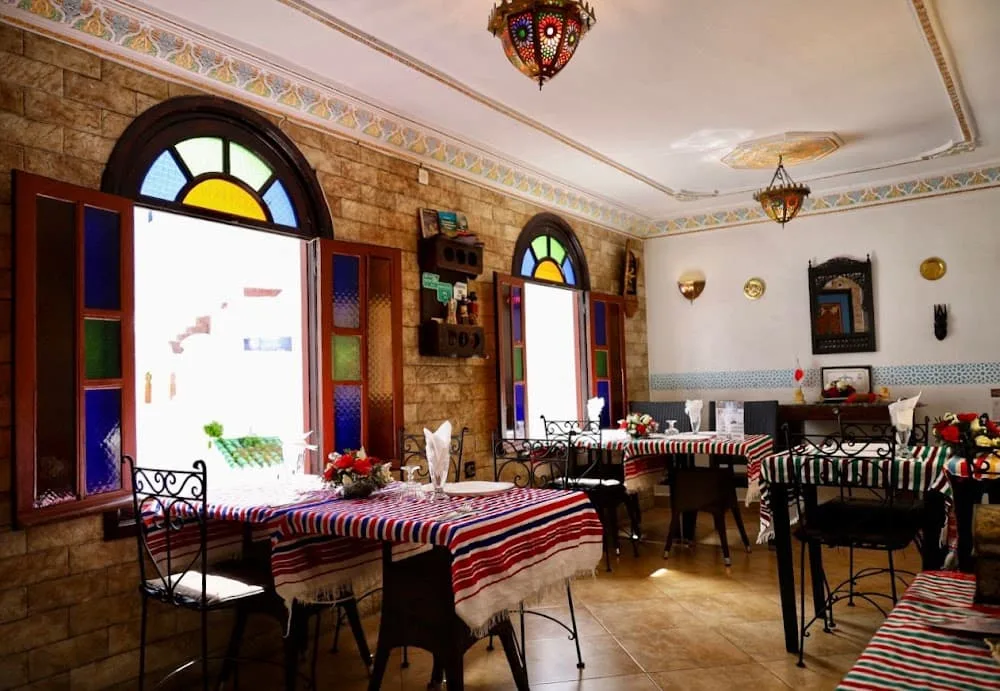
In Tangier’s old medina, Al Maimouni serves classic Moroccan plates with a clear look over the port.
Salty Moroccan Crackers (Fekkas Malh): A Simple Recipe

Twice-baked and thinly sliced, savory fekkas are the crunchy Moroccan crackers that show up at tea time, on mezze tables, and next to soup bowls.
CREMAI 2025 Brings Morocco’s Hospitality and Gastronomy Industry into the Spotlight
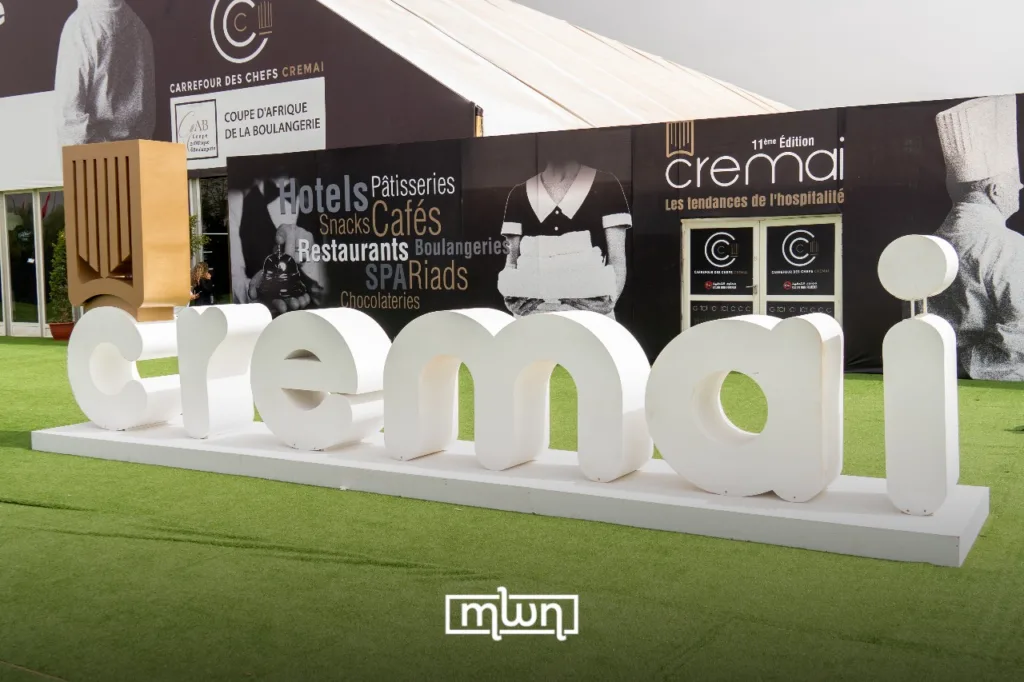
Morocco World News was on the ground at CREMAI 2025, capturing interviews, behind-the-scenes insights, and the latest trends from the event.
Dar El Kaid Casablanca: A Culinary Journey Into Morocco’s Heritage
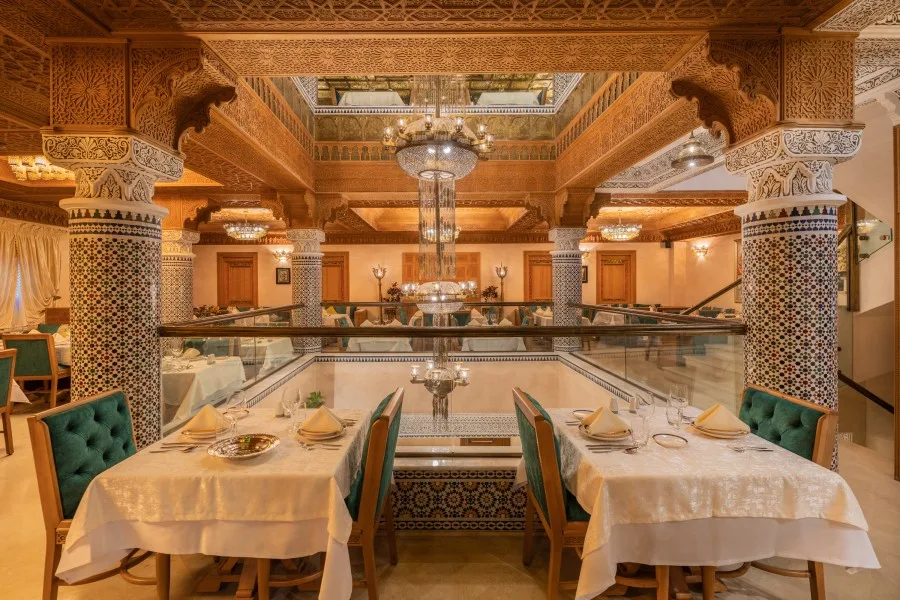
Step inside Dar El Kaid and experience Morocco like never before.
Discover Morocco’s Best Dishes In Winter
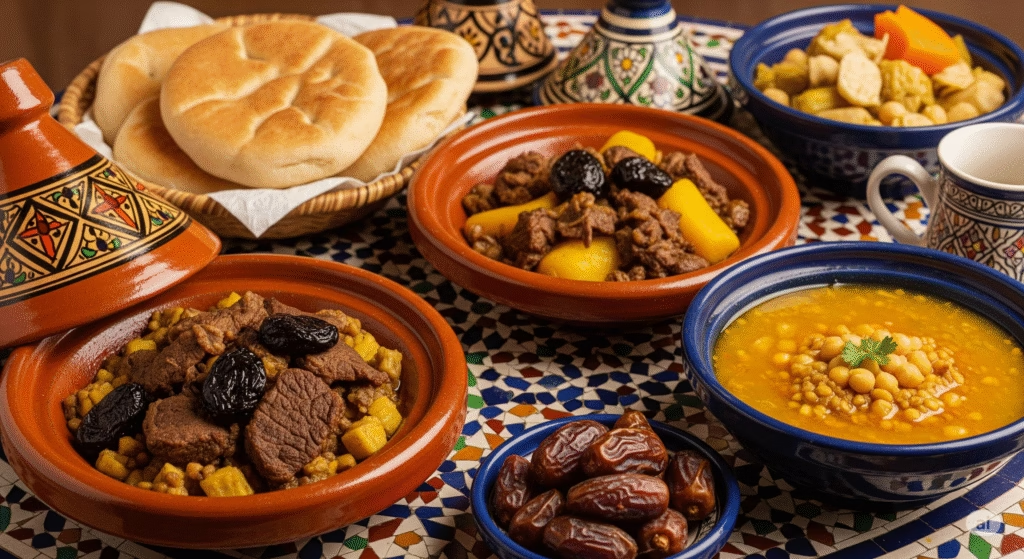
These are top traditional Moroccan foods, especially for the cold weather
Darkoum Is Officially the Home of the Best Couscous in Paris
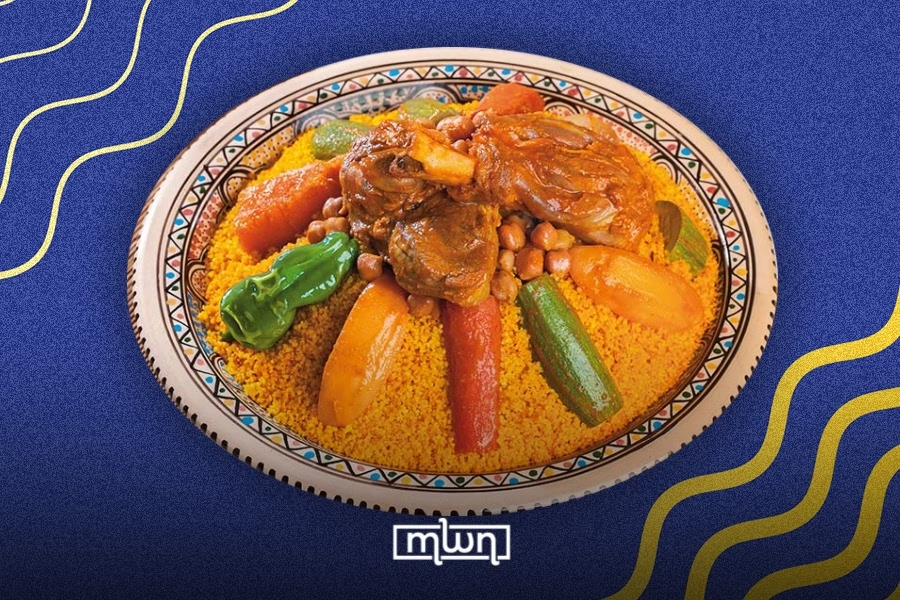
Darkoum’s couscous doesn’t aim to impress through novelty, but through balance – grains that are light without being dry, vegetables cooked through but never soft, and meat that’s seasoned with intention rather than force. Fez – Darkoum, a modest eatery located at 17 rue Daguerre in Paris’s 14th arrondissement, has been named the home of the best couscous in Île-de-France region for 2025. The award was handed out during a culinary competition hosted by the Institut du Monde Arabe, an annual event that has quietly become the definitive test of couscous in the Paris region. This year’s panel included two of the most recognizable figures in Moroccan gastronomy, Choumicha and Krimo, who judged each dish for precision, depth of flavour, and fidelity to tradition. Darkoum is no stranger to this competition. The restaurant placed second in 2022 and has since dominated the contest, taking first place in both 2023 and 2024. With its 2025 win, Darkoum has established itself not just as a reliable local spot but as a culinary benchmark. The man behind the restaurant is Jamel, who has been running the kitchen at Darkoum for over twenty years. His food doesn’t chase trends. The menu is grounded in the kind of Moroccan cooking that’s quietly confident, dishes that speak for themselves without embellishment. Read also: Five Senses Plan Reimagines Fez’s Restored Fondouks as Creative Hubs There is couscous, of course, prepared in the classic style, but also “mrouzia,” “tajines,” and “rfissa,” all made with a steady hand and long memory. What distinguishes Darkoum’s couscous is its restraint. It doesn’t aim to impress through novelty, but through balance, grains that are light without being dry, vegetables cooked through but never soft, and meat that’s seasoned with intention rather than force. It’s the kind of dish that holds together without effort. No component distracts from the others, and nothing is overworked. That might sound simple, but simplicity in couscous is rarely achieved. It requires skill, not just in execution but in judgment, knowing when to leave something alone, when to let the ingredients do the work. The competition itself reflects the evolving place of couscous in French culture. While couscous has long been considered one of the country’s most beloved dishes, this kind of recognition affirms its roots and the people who continue to make it with care. It’s also a reminder that Moroccan cuisine in Paris is not limited to grand restaurants or headline-making chefs. Some of the best cooking still happens in neighbourhood kitchens, where consistency matters more than spectacle. Darkoum’s win this year wasn’t a surprise. It was a confirmation. And if you’re serious about couscous, it’s the place to go while in Paris. No reservations, no slogans, just a door on rue Daguerre, and a dish that now comes with proof.
Moroccan Culinary Arts Museum Open Doors to Caftans, Culture, and Cuisine

Some Saturday nights are made for takeout and stretchy pants — but this one is not!
Helping You Fall in Love with Moroccan Tagines

No, not the kind that looks like a medieval hat, but the kind that transports you straight to Morocco.
One Moroccan Dish, A Thousand Names
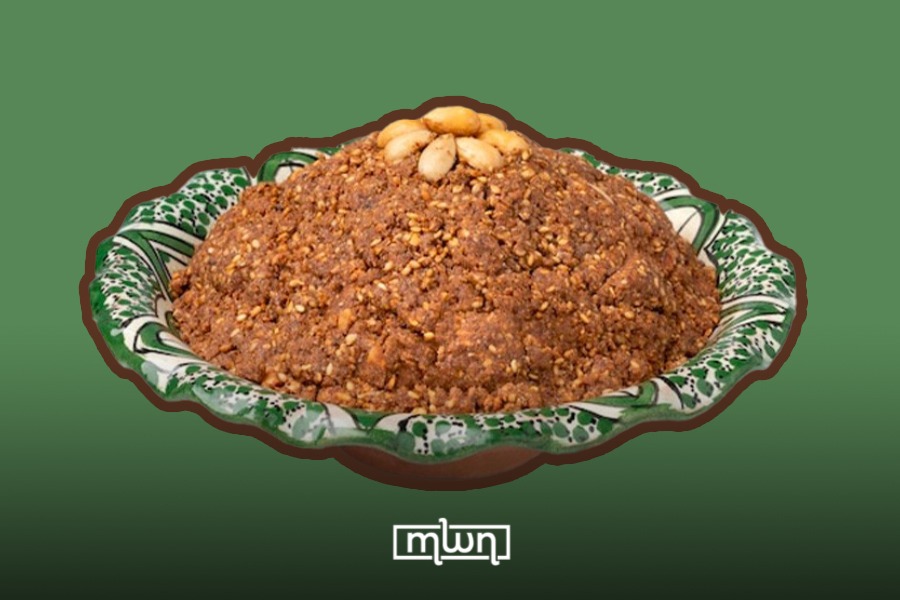
In Morocco, one dish unites the nation but divides it by name: Fez — Ever heard someone call a dish something completely different than you know it in their city and wondered if we’re even talking about the same thing? That’s exactly the case with Moroccan “sellou,” a sweet and nutty paste that goes by countless names depending on where you are in the country. This iconic dish, made from roasted flour, nuts, sesame seeds, butter, and honey, is a must-have for special occasions and the traditional “kaskrout” (afternoon tea) spread. Sellou is a dish that transcends regional boundaries in Morocco, but it’s far from uniform when it comes to what people call it. Each city or region has its own name for this treat, adding a layer of cultural richness to an already beloved dish. While most Moroccans know it as “sellou”, others recognize it by different names that reflect their local dialects and traditions. For instance, in some parts of the country, it’s called “Sfouf”, a name that’s as popular as it is sweet. Meanwhile, in other areas, you might hear it referred to as “Zmeta”, a term that’s deeply rooted in certain Moroccan communities. Moving further into specific regions, names like “Takenta” and “Tkawet” emerge, showcasing the diverse ways this dish is perceived and celebrated. In Amazigh-speaking regions, you might come across the name “Amlal Imimn”, which reflects the cultural and linguistic heritage of the area. And then there’s the intriguing moniker “Trab Lehlou” (sweet sand), rumored to be used in certain rural parts of Morocco. It’s easy to see how this name came about, given sellou’s sandy, crumbly texture before it’s packed into its paste form. This diversity in naming isn’t just fascinating; it’s a testament to Morocco’s rich cultural tapestry. It shows how one dish can be embraced and adapted in countless ways, becoming a symbol of shared heritage while retaining local uniqueness. So, what do you call sellou in your region? Whether it’s Sfouf, Zmeta, Takenta, or something else entirely, one thing’s for sure: sellou is a dish that unites Moroccans through its flavor, even if its name divides them. Read also: Back to the Golden Days of Moroccan Sitcoms