
Douaa Lahyaoui Faces Media Boycott After Imposing Strict Interview Rules

This incident is not the first of its kind for the singer; she has previously declined to give interviews at past events for similar reasons.
Girl Math: When Logic Goes Shopping
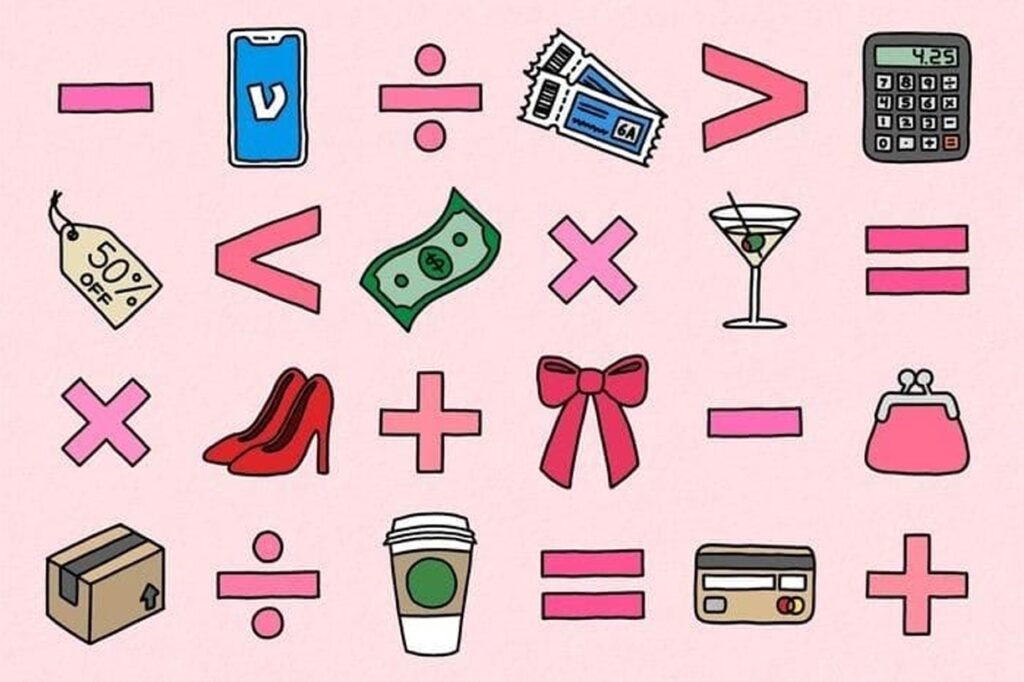
Shopping and budgeting may follow mathematical rules, but in the world of Girl Math, logic takes a backseat to creative financial reasoning. Fez– If you’ve ever seen a girl justify an expensive purchase, you’ve witnessed an elite form of mental gymnastics. It’s called Girl Math, a system where numbers bend, logic reshapes itself, and everything somehow makes perfect financial sense… to her. Spending money to save money In Girl Math, buying something on sale isn’t an expense, it’s an investment. If a 200 DH dress is now 100 DH, she didn’t spend 100 DH; she saved 100 DH. Never mind that she wasn’t planning to buy the dress at all. It’s practically a crime not to take this “once-in-a-lifetime” deal. And if she buys two, well… now she’s basically a financial genius. The magic of free shipping If a store offers free shipping on orders over 400 DH and her cart total is 320 DH, there is only one logical solution: add an 80 DH item to avoid wasting money on a 50 DH shipping fee. Sure, she could have spent just 370 DH with shipping. But in Girl Math, paying for shipping is an insult. Buying an extra item feels free, which means the money doesn’t count. The credit card illusion Cash? That feels real. A credit card? Monopoly money. If she swipes, it’s like it never happened. There’s no physical exchange of money, so technically, her bank balance stays the same… until next month’s statement arrives, but that’s a future her problem. Besides, if the purchase is under 100 DH, does it even count? No. It’s basically like breathing air, free and necessary. The “Boyfriend Budget” If her boyfriend buys her coffee, lunch, or a gift, her personal bank balance remains untouched. This means she just made money. If he covers dinner, she can reallocate her funds to something more practical… like another pair of shoes. It’s basic economics, redistributing wealth where it truly matters. The “I returned something” formula If she buys a 200 DH bag and later returns it, she now has 200 DH in spending power. It doesn’t matter if that money originally came from her bank account. In Girl Math, a refund is extra money. It’s like a gift from her past self to her present self. The “It’s practically free” mindset If something costs 500 DH but she’s using a 200 DH coupon, she’s not spending 300 DH, she’s getting 500 DH worth of stuff for only 300 DH. That’s free money. And free money doesn’t count. While normal math follows strict rules, Girl Math follows the laws of happiness. If the numbers make sense to her, then they make sense, period. And honestly? Who are we to argue with flawless financial logic? Read also: Hey Girls, Here’s How to Decipher the Bro Code
The Ultimate Girls’ Night Rules

Girls’ night is all about fun, food, and spending time with your favorite people. Fez– There’s something magical about girls’ nights. It’s that perfect blend of chaos, laughter, and unexplainable energy that no other hangout can match. Whether you’re hosting at home or crashing at your bestie’s place, there are some golden rules every girl’s night needs. Follow these, and you’re guaranteed a night full of memories (and probably a few embarrassing stories for later). Phones down The group chat can wait. For one night, we’re focusing on each other, not scrolling through random memes. Unless we’re taking selfies or making TikToks, the phones go in the corner. The only notifications we care about are the ones coming from the pizza delivery guy. Dress code that no one cares about Every group does this. We spend 20 minutes in the chat deciding if we’re going cozy in sweats or showing up cute for no reason. Then someone arrives in pajamas, someone’s in jeans, and someone’s still in their work outfit. Classic. Snacks are the real guests of honor Girls’ night without snacks? Never heard of her. Popcorn, chips, candy, pizza, it’s a buffet, not a casual hangout. Bonus points if someone brings that one snack everyone forgets they love until it’s on the table. Dance breaks required It’s scientifically proven (don’t ask us for sources) that girls’ nights are 73% better with random dance parties. Whether it’s full-on TikTok choreography or just jumping around to 2000s throwbacks, we’re moving. Themed playlists only Speaking of music, the playlist is a work of art. There’s no shuffling through random songs. Whether it’s a heartbreak playlist, early 2000s classics, or guilty pleasure anthems, it’s the soundtrack of the night and it better match the mood. Gossip and oversharing are mandatory It’s not girls’ night unless someone spills their entire life story. From deep talks to ridiculous gossip no one else cares about, we want all the details. No filter, no judgment, all love. Group selfie or it didn’t happen Before the night’s over, there’s one last tradition, the chaotic group selfie. Hair everywhere, half the group laughing, someone mid-sentence: perfection. It’s not about looking cute, it’s about capturing the moment. Every friend group has that one unspoken rule. Maybe it’s matching socks, maybe it’s mandatory skincare routines, or maybe it’s ending the night with a dramatic reading of old texts. Whatever it is, it’s your signature. But what we all agree on is that no girl is leaving that sleepover feeling anything besides pure joy. Read also: The Lost Art of Reading Coffee Grounds
Unspoken Cultural Rules Moroccans Follow Without Question
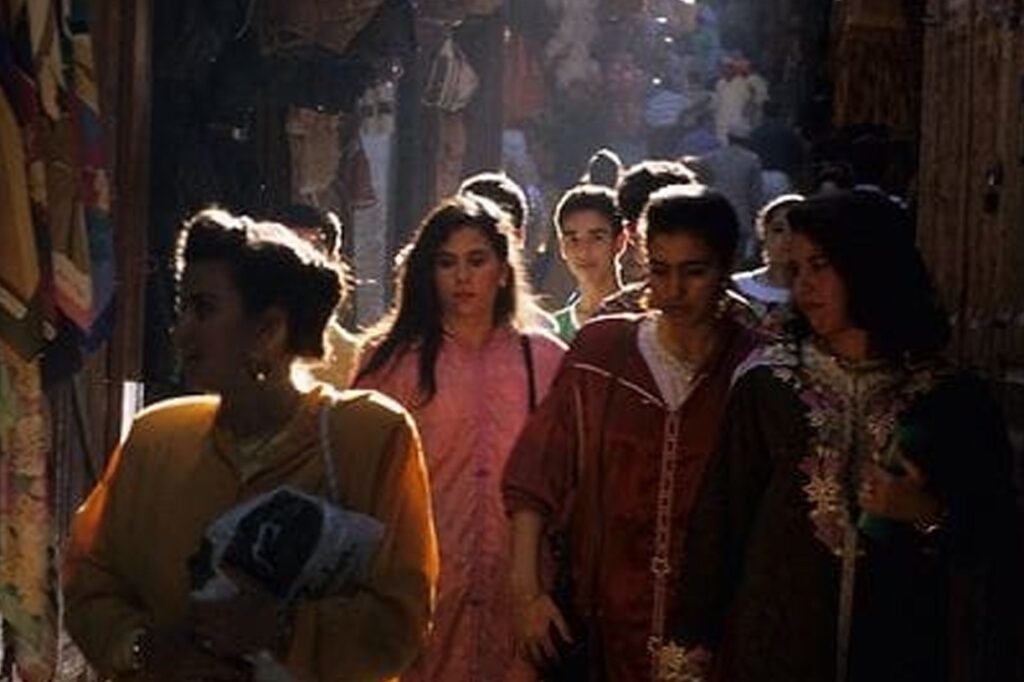
Some rules never make it into books or on signs, but people follow them every day. Fez– You walk into a Moroccan home. You sit. You smile. You drink the tea they offer you, even if you don’t want it. You thank them like they saved your life. You don’t think about it. They don’t either. But this is a rule. A rule nobody wrote. A rule nobody questioned. In Morocco, life moves under a sky full of unspoken rules. They are older than anyone alive today. They hide inside every meal, every greeting, and every goodbye. They live in hands that push more food into your plate, in eyes that avoid certain looks, in words that slip between jokes and silence. You can’t visit someone empty-handed. You must bring sweets, fruit, or at least something small. It doesn’t matter if they say, “don’t bring anything.” They don’t mean it. Everyone knows this, but nobody says it. When you eat with people, you wash your hands. You eat from your side of the plate. Your right hand reaches for the food. Your left hand stays quiet, resting on your knee or holding your glass. If you forget, someone’s eyes will remind you. In the street, greetings follow a rhythm. “Salam Alaikom.” “Alaikum Asalam.” How are you? How is your family? How are your parents? Everyone is good? No matter what the answer truly is, it always ends in a “Alhamdoulillah.” This dance never stops. Strangers, neighbors, shopkeepers, even the man fixing his motorbike, everyone knows the steps. You can’t escape this rule, even if you’re tired or angry. Silence feels too heavy. When a guest leaves, the hosts walk them to the door. Sometimes, they walk them halfway down the street. Nobody asks why. This is respect, love and this is the rule. During meals, the host keeps pushing food onto everyone’s plate. They say, “Eat! You ate nothing!” even when plates are full. Guests pretend they can’t eat more. But then they eat more. They follow the rules. When someone’s child gets sick, neighbors visit with prayers and whispers. They leave something sweet, even if they don’t stay long. They don’t announce these visits. They just appear – because this is what you do. In markets, haggling becomes an art. Buyers ask for a lower price, even if they can afford the full amount. Sellers pretend they can’t lower it, even if they can. Both sides know the game. Both sides follow the rule. Nobody teaches these things in school. No book explains them. They pass through stories, glances, and the silence between words. They create invisible threads between people, between generations, between strangers who feel like family for a few moments. These rules shape Morocco and build its heart, its soul, its warmth. They stay, even when nobody talks about them. They don’t need to, and that is their beauty. Read also: Moroccan Culture & Elders: A Bond of Respect and Care
The Unspoken Rules of Moroccan Family Gatherings
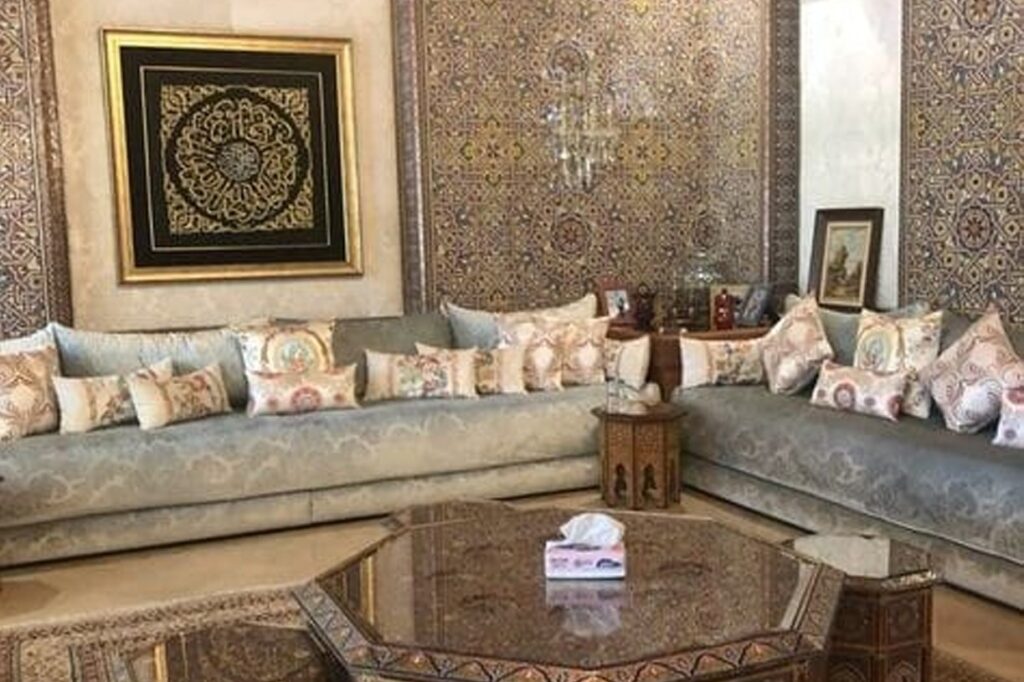
They say every family has rules, but in Morocco, they exist just to be broken. Fez – If you grew up Moroccan, you already know. Family gatherings are not just visits, they are a full production. There are rules. No one says them out loud, but they exist. And somehow, no one ever follows them. Rule 1: Don’t come late. What actually happens: Everyone comes late. Moroccan gatherings have a time, but no one cares. If you say 6 p.m., people arrive at 8. The aunt who lives next door somehow still manages to be “running late.” But when you arrive on time, you’re the weird one. Rule 2: Greet everyone properly. What actually happens: You kiss everyone’s cheeks (sometimes too many times). In Morocco, greetings are serious business. One kiss? Too cold. Three kisses? Maybe. But with some relatives, you just keep kissing until someone pulls away first. And you have to ask about everyone’s health, kids, work, and neighbors before you can even sit down. Rule 3: Don’t gossip. What actually happens: Gossip is the appetizer. Every family gathering starts the same. “We shouldn’t talk about people.” Five minutes later, someone mentions a cousin’s new girlfriend, and boom, the gossip marathon begins. Who got married, who got divorced, who gained weight, who disappeared, it’s all there. Rule 4: Don’t eat too much. What actually happens: They force-feed you until you can’t move. The rule says, “Eat politely.” The reality? Your plate never empties. Couscous, pastilla, tagine, sweets, it doesn’t stop. If you refuse, they think you’re sick or sad. If you eat too much, they say, “You’re eating like you just got out of prison.” There’s no winning. Rule 5: Dress nicely, but not too much. What actually happens: Every gathering turns into a fashion show. Even if it’s just tea at your aunt’s house, someone arrives in full makeup, gold jewelry, and heels. You come in jeans and suddenly feel like you made a terrible mistake. Rule 6: Don’t ask personal questions. What actually happens: They ask all the personal questions. Are you married yet? When are you getting married? When are you having kids? Why did you gain weight? Why did you lose weight? No topic is off-limits. Privacy? Never heard of it. Rule 7: Leave early. What actually happens: No one leaves. Ever. You say you’re leaving at 9. You actually leave at midnight. And somehow, even after you say goodbye, you stand at the door talking for another hour. Moroccan family gatherings have rules, but they’re more like suggestions. They’re loud, chaotic, nosy, and dramatic, but somehow, they’re also warm, funny, and unforgettable. That’s the Moroccan way. Read also: How Moroccan Women Balance Work, Family & Worship in Ramadan
Moroccan Parent Logic: The Funny Rules We All Grew Up With
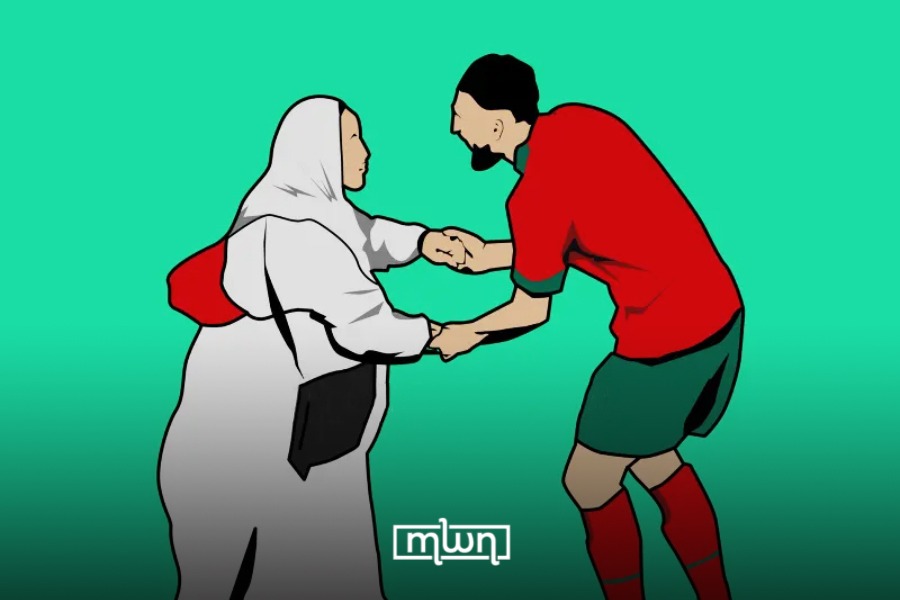
There’s a secret manual Moroccan parents follow – no one has seen it, but we’ve all lived it. Fez – If you grew up in a Moroccan home, you know our parents have their own kind of logic. It doesn’t always make sense, but somehow, it’s universal. No matter where you are in Morocco (or even if you live abroad), all Moroccan parents act the same. It’s like they got the same manual! Let’s break down some of their most famous phrases and why they are part of every Moroccan childhood. Turn off the light Day or night, it doesn’t matter. If you leave a room for two seconds with the lights on, your mom will act like you’re personally responsible for the electricity bill not only of your house but the whole country. She will also remind you that she is not working for the electricity bill. Bring me the thing next to the thing on top of the other thing Parents have a special way of giving instructions. No details. No descriptions. Just “Jibli hadak li fok hadak, hda hadak”. Somehow, you’re supposed to understand. And if you don’t find it? They will get up, walk straight to the spot, grab it in one second, and say, are you blind? If your friend jumps off a rooftop, will you too? You ask your parents for permission to do something because your friend is allowed to do it. Big mistake. The answer will always be, “If your friend jumps off a rooftop, will you too?” No explanation, no debate. Just a complete shutdown of your request. I didn’t raise you like this! You give your opinion in which slightly disagree with them. Now, you have disrespected the whole family. Your mom suddenly remembers how she sacrificed everything to raise you better. The drama is real. We’re leaving in 5 minutes Five minutes in Moroccan time does not mean five minutes. It means at least an hour. But don’t you dare sit down or change your clothes. If you do, you will get yelled at for not being ready. Do whatever you want Warning: this is a trap. This DOES NOT mean you can do whatever you want. If you believe it and actually do the thing, you are finished. I’m not yelling, I’m just talking. You can hear your mom from three rooms away while she talks to her sister on the phone, but she insists she is just talking. The whole street knows what’s happening, but she will not admit that she is yelling. Every Moroccan has lived these moments. Somehow, we all had the same childhood. Despite all of this, no matter how much we laugh about it now, deep down we know one thing: One day, we will say these exact things to our own kids. Read also: What’s on a Moroccan Ftour Table?