How Morocco’s Digital Wallet Could Reshape Daily Life
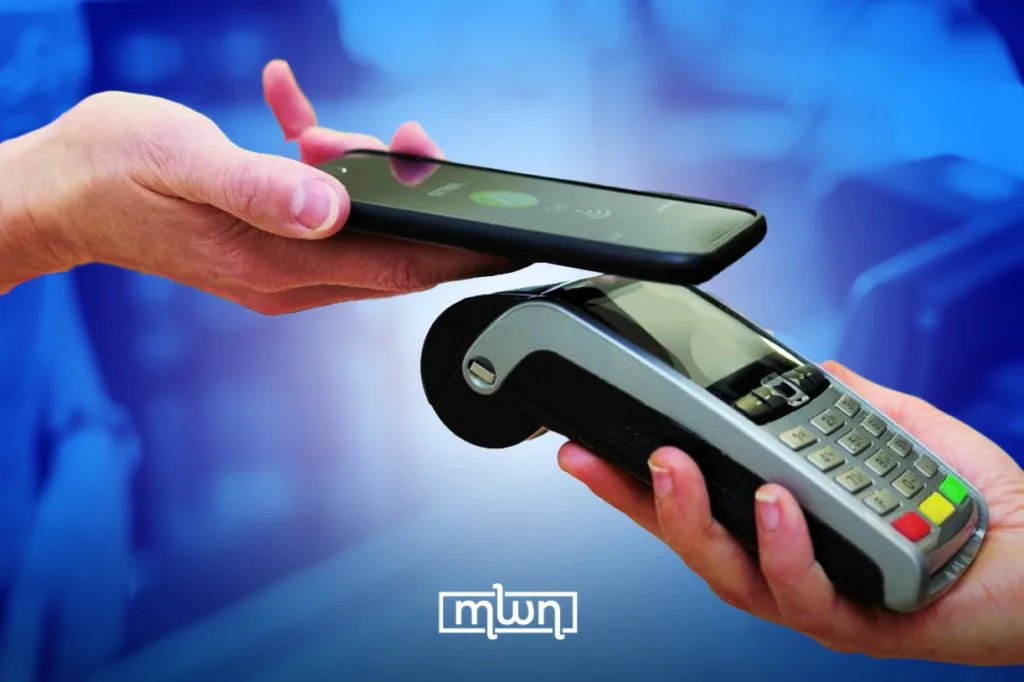
As Idarati X.0 prepares to launch a national digital wallet linked to electronic ID cards, what might daily life in Morocco look like?
Can’t-Miss Events Lighting Up Rabat This Week
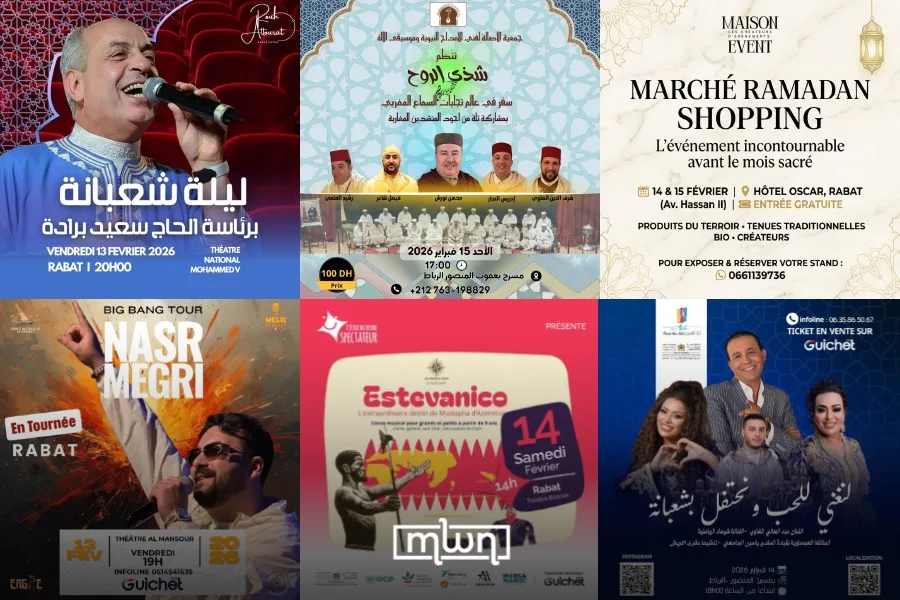
Hopefully, the sound of music and the magic performances will light up your week!
Consumer Electronics Drive Morocco’s E-Commerce Boom

As Morocco’s shoppers move online, phones, laptops, and gadgets are quietly becoming the engines of a fast-growing digital market.
Mumuso’s Back-to-School Collection

Why settle for ordinary when school supplies can be adorable? Mumuso is here to turn your desk into a dose of daily cuteness.
Luxury Dupes: Smart Shopping or Copycat Culture?
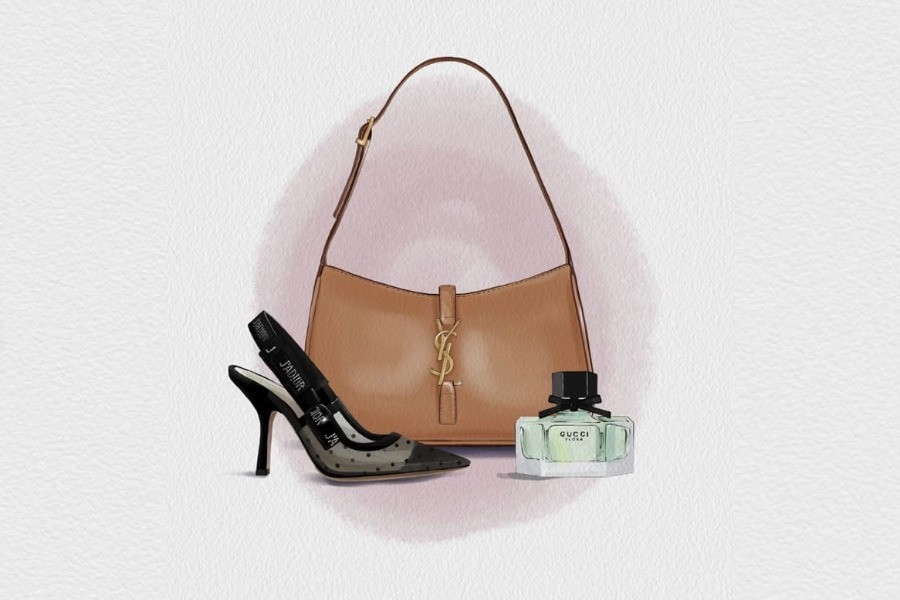
Discount fake luxury promises high-end style for less, but is this smart shopping or a shortcut to imitating without creativity? Fez– In a world where fast fashion reigns supreme and the desire for luxury is ever-present, luxury dupes have become the holy grail for many. It’s a strategy that has people asking, “Why spend thousands when you can snag the look for a fraction of the price?” But, while the allure of a discounted designer look is tempting, the line between smart shopping and copycat culture blurs more with every swipe of a credit card. Luxury dupes have infiltrated our online shopping carts, with influencers and TikTokers enthusiastically touting their finds. We’re talking about bags that resemble those coveted designer pieces, shoes that mimic iconic styles, and clothing that channels haute couture for a fraction of the price. Dupes aren’t new, but social media’s role in amplifying them has turned what used to be a niche into a booming economy. The question, however, is whether this trend represents a savvy consumer move or simply a symptom of a copycat culture. On one hand, dupes are undeniably practical. For those who can’t afford the high price tags attached to designer goods, they offer a pathway to achieving a similar aesthetic without breaking the bank. It’s the epitome of value shopping; accessibility without compromising on style. But, as much as we celebrate the cost-saving benefits, there’s an uncomfortable truth lurking beneath the surface: are we truly getting what we paid for? Luxury items, with their exorbitant prices, are often crafted from superior materials, and designed with craftsmanship that goes beyond mere appearance. A dupe, while visually similar, often falls short in quality, durability, and longevity. The allure of saving money becomes a gamble when your “affordable” piece falls apart after a season. Is it really worth it to buy five dupes in a year when one designer piece might last a lifetime? The ethical question surrounding dupes is not as black and white as we might think. On one hand, imitation is the sincerest form of flattery, but on the other, it raises concerns about intellectual property and fair business practices. The fashion industry has long struggled with the issue of design theft, where knockoffs steal from the very designers who’ve built their careers on innovation and creativity. Furthermore, there’s a deeper conversation about what this trend says about our collective values. When the focus shifts to simply mimicking the look of luxury without understanding the art behind it, are we devaluing the creativity that drives the fashion world? Dupes might bring the masses closer to high-end style, but at what cost to innovation? At its core, the debate about luxury dupes isn’t just about price, it’s about culture. Dupes represent a growing culture of instant gratification, where access to the “elite” is democratized, but perhaps at the expense of appreciating craftsmanship, creativity, and the story behind a piece. Luxury is more than just a logo or a label; it’s about the artistry, history, and passion that go into every creation. By reducing these pieces to mere imitations, we risk forgetting that fashion isn’t just about a look, it’s about an ethos. So, is buying a luxury dupe smart shopping, or is it a sign of a copycat culture that values appearance over substance? The answer may lie somewhere in between. Smart shopping can still honor the artistry behind true luxury while embracing accessible alternatives. But maybe, the real smart move is to buy less — but buy better — embracing quality, authenticity, and design over the allure of a cheap imitation. Read also: TikTok Trends vs. Personal Style: Who’s Really in Control?
Girl Math: When Logic Goes Shopping
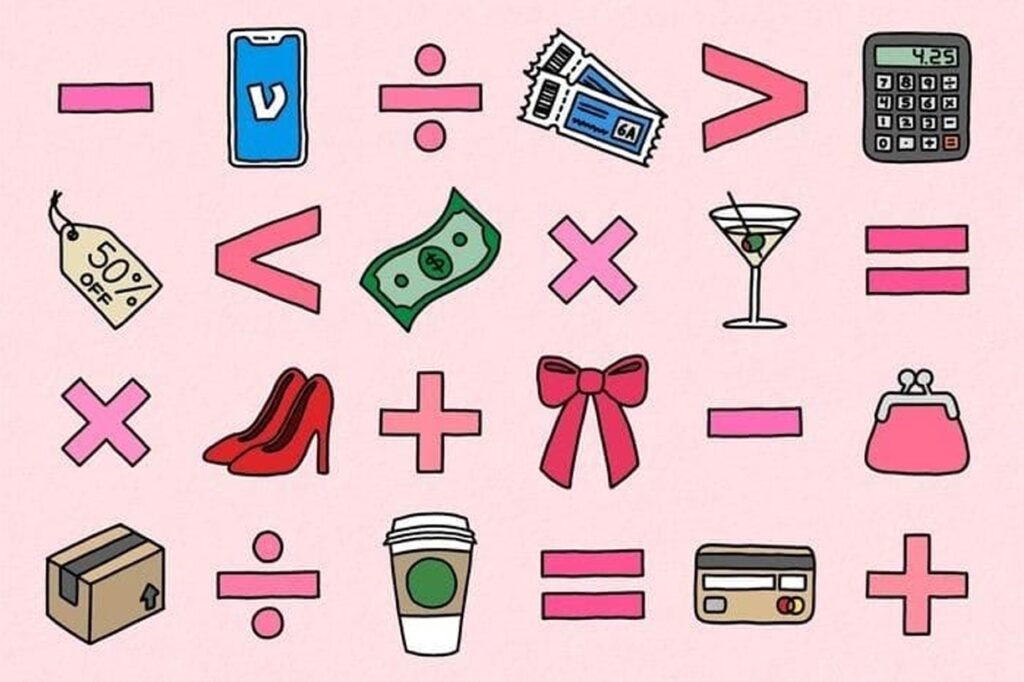
Shopping and budgeting may follow mathematical rules, but in the world of Girl Math, logic takes a backseat to creative financial reasoning. Fez– If you’ve ever seen a girl justify an expensive purchase, you’ve witnessed an elite form of mental gymnastics. It’s called Girl Math, a system where numbers bend, logic reshapes itself, and everything somehow makes perfect financial sense… to her. Spending money to save money In Girl Math, buying something on sale isn’t an expense, it’s an investment. If a 200 DH dress is now 100 DH, she didn’t spend 100 DH; she saved 100 DH. Never mind that she wasn’t planning to buy the dress at all. It’s practically a crime not to take this “once-in-a-lifetime” deal. And if she buys two, well… now she’s basically a financial genius. The magic of free shipping If a store offers free shipping on orders over 400 DH and her cart total is 320 DH, there is only one logical solution: add an 80 DH item to avoid wasting money on a 50 DH shipping fee. Sure, she could have spent just 370 DH with shipping. But in Girl Math, paying for shipping is an insult. Buying an extra item feels free, which means the money doesn’t count. The credit card illusion Cash? That feels real. A credit card? Monopoly money. If she swipes, it’s like it never happened. There’s no physical exchange of money, so technically, her bank balance stays the same… until next month’s statement arrives, but that’s a future her problem. Besides, if the purchase is under 100 DH, does it even count? No. It’s basically like breathing air, free and necessary. The “Boyfriend Budget” If her boyfriend buys her coffee, lunch, or a gift, her personal bank balance remains untouched. This means she just made money. If he covers dinner, she can reallocate her funds to something more practical… like another pair of shoes. It’s basic economics, redistributing wealth where it truly matters. The “I returned something” formula If she buys a 200 DH bag and later returns it, she now has 200 DH in spending power. It doesn’t matter if that money originally came from her bank account. In Girl Math, a refund is extra money. It’s like a gift from her past self to her present self. The “It’s practically free” mindset If something costs 500 DH but she’s using a 200 DH coupon, she’s not spending 300 DH, she’s getting 500 DH worth of stuff for only 300 DH. That’s free money. And free money doesn’t count. While normal math follows strict rules, Girl Math follows the laws of happiness. If the numbers make sense to her, then they make sense, period. And honestly? Who are we to argue with flawless financial logic? Read also: Hey Girls, Here’s How to Decipher the Bro Code