Ziad Bourji Brings Romance and Rhythm to Mawazine 2025 Stage
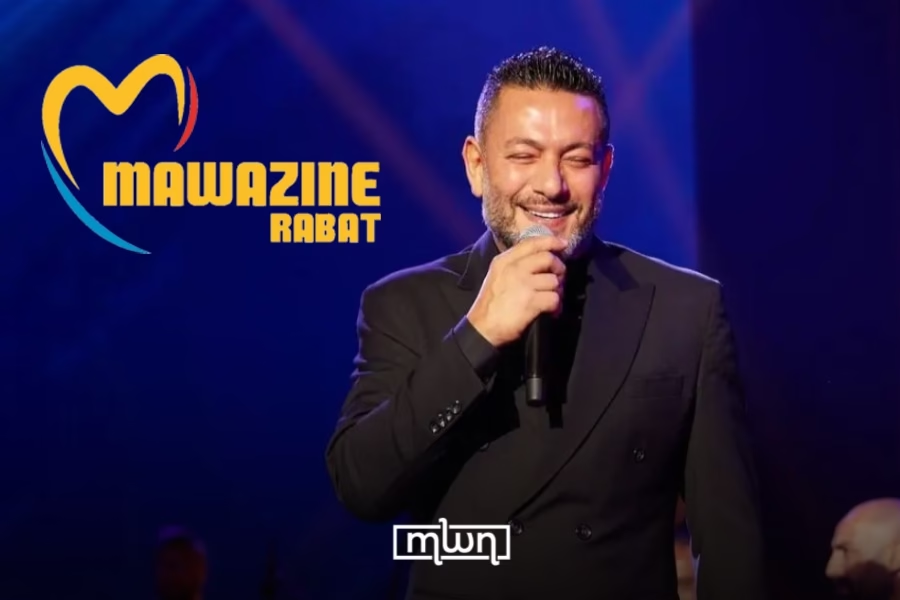
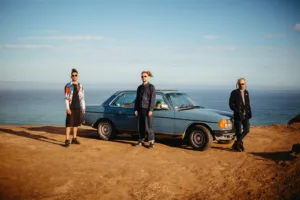
The Lebanese singer made a memorable Mawazine debut with a heartfelt performance at the Mohammed V Theatre. Fez– On Saturday night, the velvet-voiced Lebanese singer Ziad Bourji lit up the Mohammed V National Theatre with his signature blend of heartfelt lyrics and magnetic charm. It was his first-ever performance at Mawazine, and judging by the electric atmosphere, it definitely won’t be his last. The concert kicked off with a wave of emotion as Bourji greeted the crowd, visibly moved by the warm welcome. The venue was packed, buzzing with anticipation. Fans erupted in cheers and applause even before the first note rang out, and once he started singing, the entire theater seemed to melt into one collective voice. It was less of a concert and more of a love letter, one sung in harmony by an artist and his fiercely loyal audience. Over the course of 90 unforgettable minutes, Bourji took everyone on a journey of melody and nostalgia. From his hits “El Youm Youmi,” “Ana Wiyak,” “Shou Helou,”* and “Halyani” to timeless classics like Fairuz’s “Nassam Alayna El Hawa” and Dalida’s “Ya Baladi,” the setlist was a carefully curated emotional rollercoaster. The crowd sang along to every word, as if rehearsed, as if these songs were etched into their memories. What made the night special wasn’t just the music, it was the connection. Bourji paused multiple times to express his joy at finally performing in Rabat, visibly touched by the energy in the room. And just when the emotions couldn’t get any higher, he hoisted the Moroccan flag onto his shoulders, triggering another round of ecstatic cheers and, you guessed it, “zaghareet”. His voice, smooth and emotionally charged, flowed effortlessly across the theatre. Each lyric landed with precision, weaving romance, nostalgia, and joy into the air. Even his renditions of the Arab musical greats felt deeply personal, as if he were inviting the audience into his own memories. This was a night where music became the common language between an artist and his admirers, where national borders disappeared in the presence of art, and where the theatre became a sanctuary of emotion. Mawazine’s 20th edition is currently lighting up both Rabat and Sale from June 20 to 28. With a diverse lineup of global and Arab stars, it promises unforgettable nights of music. Organized by Maroc Cultures since 2001, the festival continues to grow as a cultural powerhouse, drawing millions and earning its spot as the second-largest music festival in the world. And if Ziad Bourji’s performance is anything to go by, this year is already legendary. Read also: ‘28 Years Later’ Hits Moroccan Theaters: Danny Boyle’s Post-Apocalyptic Franchise Returns
Moroccan Kids’ Songs: Timeless Tunes That Bring Back Memories
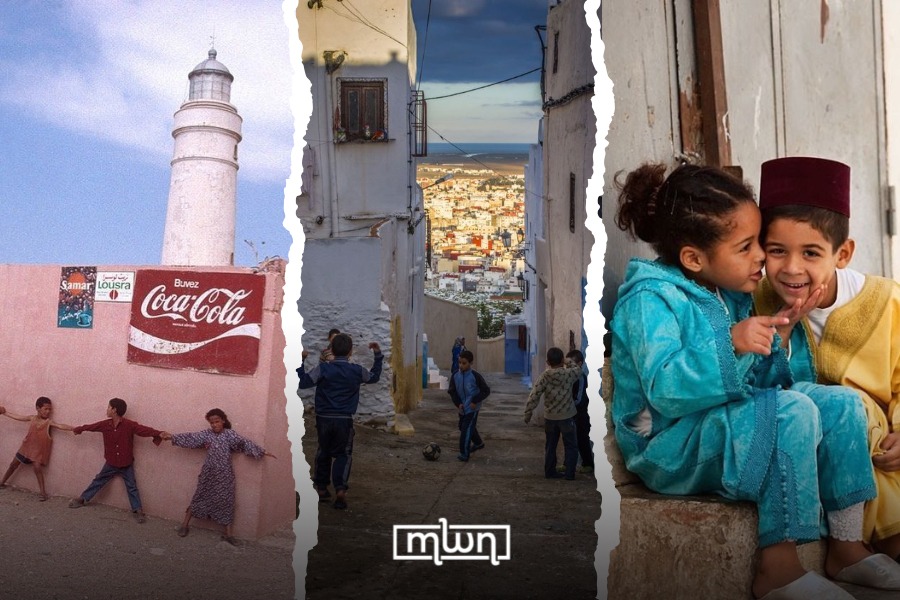
A core part of every Moroccan kid’s past lies a treasure box of childhood melodies, each carrying stories of laughter, culture, and simpler times. Fez- Moroccan childhood is rich with playful traditions, and one of the most enduring elements is the collection of catchy and imaginative kids’ songs. These Darija songs are simple yet full of charm, offering a glimpse into the innocence and creativity of growing up in Morocco. No technology was needed in our childhood—just laughter, games, and melodies passed from one generation to the next. Here are some iconic Moroccan kids’ songs that still resonate with those who grew up singing them: ‘1 2 3 Bak mcha l Sbata’ This playful chant translates to “Your father went to Sbata,” referencing a region in Casablanca. Kids often sing it while playing counting games or teasing each other in jest. The rhythm and humor made it a go-to song for group fun. ‘Achtatatatata a wlidat l’hrata’ This nostalgic song, loosely translated as “Oh rain, oh children of harvesters,” is a celebratory tune kids sing when winter begins and the rains arrive. It reflects Morocco’s deep connection to nature and farming, symbolizing hope and gratitude for the rainy season. ‘Tirira Tirira Laghda L’Hrira’ During Ramadan, this cheerful song echoes through Moroccan streets. Meaning “Tomorrow we’ll eat Harira,” it embodies the excitement of children anticipating the beloved traditional soup, harira, served to break the fast. ‘A Jrada Malha Fin Konti Sarha’ This translates to “Oh salty locust, where have you been wandering?” The quirky lyrics showcase the imagination of Moroccan kids, who often create games and chants around everyday creatures. ‘A L’Qre3 Malk Zerban A Sidi Klani Deban’ These humorous lyrics translate to “You bald man, why are you in a rush? The flies have eaten me, sir.” This song is often sung in a playful, teasing manner, bringing smiles and laughter to all who hear it. These songs are more than just entertainment—they are a cultural treasure, reflecting Moroccan society, seasons, and traditions. Their simplicity made them easy to remember, while their humor and relatability ensured they were passed down from child to child. Even though times have changed and kids today have access to technology and modern entertainment, these timeless songs remain a cherished part of Moroccan childhood. They bring back memories of carefree days, outdoor play, and the universal language of fun. Do you have a favorite Moroccan kids’ song that brings back memories? Read also: A Day in a Moroccan Home
‘Last Song’: Alan Walker’s Collab with Faouzia Elevates Moroccan Music
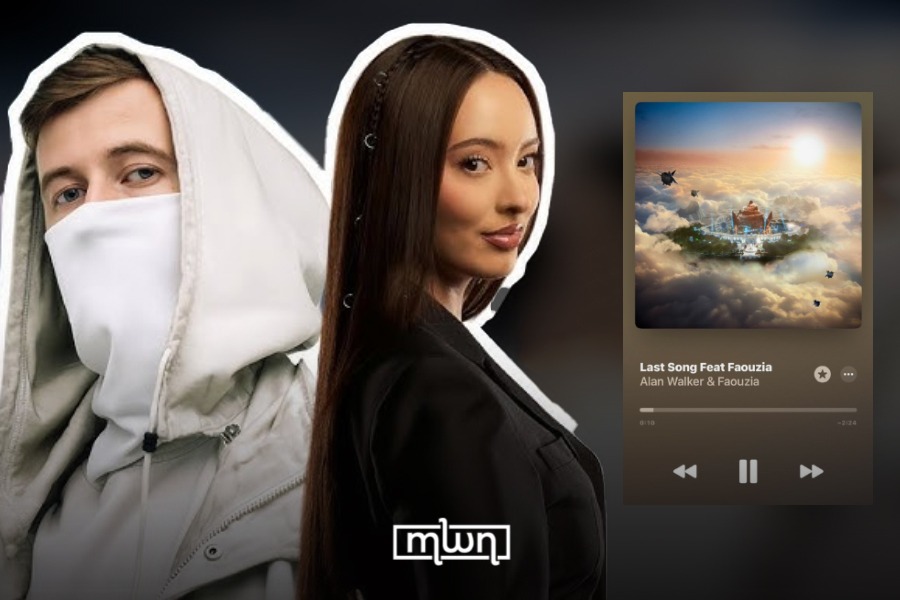
For a first collaboration, these two have made wonders! Fez – Alan Walker, the renowned Norwegian-British DJ and producer, has joined forces with Moroccan-Canadian singer Faouzia for their latest track, “Last Song.” Released on January 10 as part of Walker’s new album, “Walkerworld 2.0,” this partnership is a testament to the power of cross-cultural artistry. Faouzia, a celebrated artist known for her captivating voice and heartfelt lyrics, brings a distinct Moroccan flavor to the track, further amplifying her global recognition. Alan Walker’s signature electronic soundscape provides the perfect backdrop for Faouzia’s vocal dynamism, resulting in a track that resonates deeply with audiences around the world. This collaboration not only highlights Faouzia’s immense talent but also shines a spotlight on Moroccan artistry within the global music scene. For a nation rich in culture and creativity, this partnership is a proud moment. It aligns perfectly with the growing trend of Moroccan artists breaking into international markets. Faouzia’s journey, from her roots in Morocco to the global stage, reflects the ambition and resilience that define her as an artist. “Walkerworld 2.0” is an album that pushes boundaries, combining innovative electronic production with soulful melodies and impactful storytelling. “Last Song” is no exception, blending Walker’s futuristic beats with Faouzia’s emotional intensity. The result is a track that feels both modern and timeless, offering listeners a powerful musical experience. More than music Beyond the music, this partnership underscores the importance of representation in the entertainment industry. By collaborating with Faouzia, Alan Walker not only broadened the sonic diversity of his album but also introduced a wider audience to the rich musical scene of Morocco. Such collaborations pave the way for greater cultural exchange and mutual appreciation among artists and audiences alike. For Moroccan fans, the release of “Last Song” is a source of pride and inspiration. It is a reminder of the limitless possibilities for Moroccan talent on the world stage. Faouzia’s inclusion in this high-profile project demonstrates how artists from diverse backgrounds can contribute meaningfully to global pop culture. In this project, Faouzia and Alan Walker have crafted more than just a track; they’ve created a moment of artistic unity that bridges continents and cultures. It’s a collaboration worth celebrating — not just for its musical brilliance but for the message it sends about the beauty of coming together through art. Read also: DJ Lady Souka Shows Dubai How to Party Moroccan-Style