
Baby Shower – the Moroccan Way
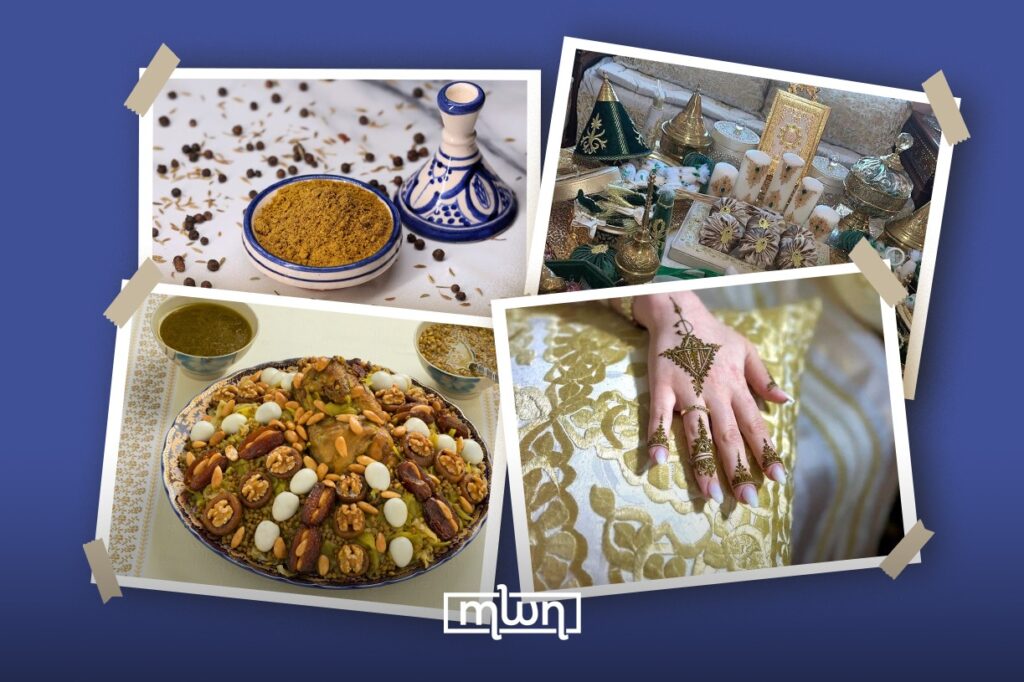
In the heart of Morocco, there lies a centuries-old tradition that honors the baby, the new mother, and her close circle of women in the community. Fez – In Morocco, the journey of motherhood is celebrated with a cherished tradition known as the “henna ceremony” during the seventh month of pregnancy. This unique event, steeped in culture and symbolism, is an occasion to honor the expectant mother, uplift her spirits, and prepare for the arrival of her child. The henna ceremony opens with blessings and ululations, followed by lively Moroccan music that fills the air. Guests are treated to a feast of traditional dishes, Moroccan sweets, and mint tea, symbolizing generosity and hospitality. The celebration, often organized by the pregnant woman’s family and close friends, revolves around the application of henna. A skilled artist, known as the “naqasha” or “hennaya,” is invited to adorn the mother-to-be’s hands and feet with henna patterns. These designs are not only a form of beauty but also carry deep cultural and spiritual significance. As the henna is applied, women chant traditional blessings, including the phrase, “Hanni ya l-hamla bash Rabbi yhan alik” (Apply henna so that God may ease your journey), reflecting the belief that henna, often called “a tree from paradise,” brings blessings and protection. This celebration goes beyond its cultural roots to become a moment of joy and care. It is a chance for the community to nurture the mother-to-be, ensuring she feels valued and supported. Family and friends shower her with thoughtful gifts, from baby clothes to essential supplies, helping her prepare for the new chapter ahead. Preparation for the henna ceremony begins well in advance. The expectant mother enjoys a pampering session, often starting with a warm Moroccan bath, or “hammam”, where her skin is cleansed and exfoliated using natural products like scented henna, basil, and “ghassoul” (a Moroccan clay infused with rose water). On the day of the celebration, she wears an elegant traditional caftan, accessorized with jewelry and makeup, radiating grace and joy. In some regions, the celebration spans several days, reflecting the community’s devotion to this tradition. Families prepare “rfissa” — a dish made with slow-cooked chicken, lentils, spiced broth over layers of bread, and boiled eggs — served primarily to women for three consecutive days. Additionally, “msakhen” (special flatbreads stuffed with spiced chicken and onions) and desserts like “sello” or “zemita” (a sweet, spiced mixture of roasted flour, nuts, and honey) are offered. There is also a deeply symbolic aspect to serving these dishes. In Moroccan traditions, eating “rfissa” and “msakhen” at a pregnant woman’s celebration is believed to bring good fortune, especially for women who have struggled with fertility. This practice, called “lfal”, which means “good omen,” reflects the hope that the blessings of the expectant mother will pass on to those seeking similar joy. In this way, this tradition honors not only the mother-to-be but also the resilience and unity of Moroccan culture. This milestone event is a reminder to everyone of the blessings that come with each stage of life. Read also: Introducing You to Different Types of Couscous
Amazigh Women’s Attire: An Ode to History, Identity, and Resilience
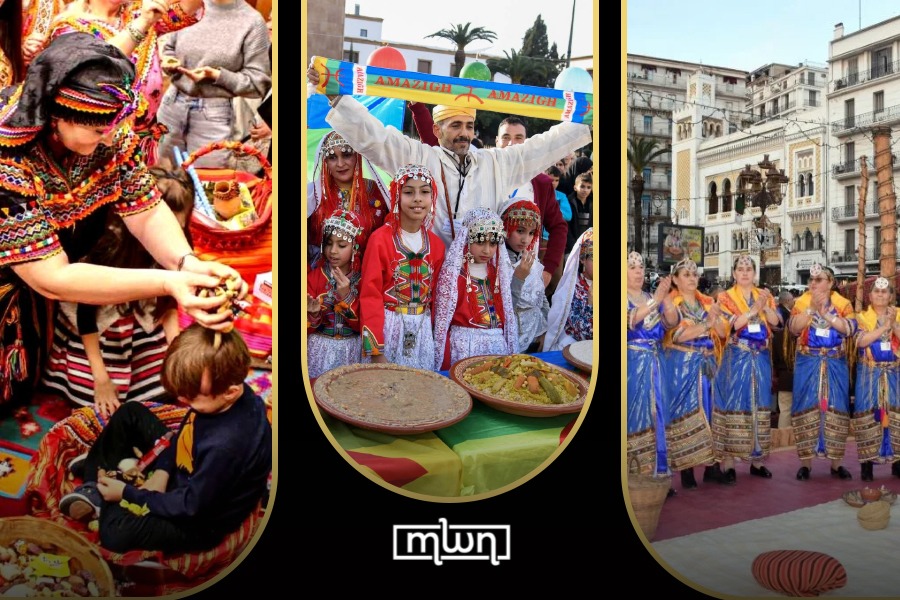
As we celebrate Yennayer 2975, let’s honor the Amazigh people’s rich cultural heritage by delving into the timeless beauty of their traditional attire. Fez – Amazigh attire is as diverse as the regions it represents, with vibrant colors, intricate designs, and layers of meaning. From the majestic Atlas Mountains to southern Morocco, these garments reflect a deep connection to heritage. Yet, this traditional dress isn’t confined to Amazigh regions alone—it has found admirers far beyond, thanks to designers who have reimagined it for modern audiences. One of the most iconic pieces is the Amazigh long and layered skirt, a symbol of modesty and elegance, called colloquially a “Saia”. Certain regions have unique variations of the skirt, like the “Semlalia” saia from the Idda Oussmlal area in Tafraoute, which is distinguished by its vibrant colors and intricate patterns. Paired with the equally dazzling Amazigh caftan — usually red with colorful pom-poms — these garments form an enchanting ensemble. In the Soussi regions, for everyday wear, women also wear this shirt alongside white “Adals” — the long Amazigh head scarves that serve the dual purpose of keeping modest and cool during the warmer months. Women in Tafraoute are also known to wear the black “melhfa” — a long black garment that elegantly wraps around the body from head to toe. No Amazigh outfit is complete without its distinctive silver jewelry, often adorned with colorful gemstones. These pieces are more than decorative—they carry stories and, at times, have played a role in historical resistance. The “Tessqwin“, a horn-shaped headpiece, is both a crown and a cultural emblem. During the French colonial era, women in southern Morocco ingeniously used these accessories to conceal and transport gunpowder and ammunition to resistance fighters. Loose-fitting dresses allowed them to smuggle small weapons undetected, turning their attire into tools of defiance and survival. The “Khellala”, a triangular brooch, and the “Mezboud”, a silver tiara, are other cherished adornments. Women also wore heavy bracelets called “Tazarzit,” designed with sharp edges for protection—a literal shield in times of danger. Traditional jewelry collections also have the “Tasdidt,” a silver necklace adorned with old coins, and the “Tawnza,” a silver crown, all made with intricate detail by Amazigh artisans. Every detail of Amazigh attire serves a purpose beyond beauty. The “Istrah,” a handwoven belt often in red, black, or brown, is a marvel of both form and function. Women use it for support during strenuous tasks like carrying wood, drawing water, or harvesting crops. This belt, often up to five meters long, is essential for the backbreaking labor Amazigh women have historically undertaken. Another key element is the “Tasbint,” a vibrant, embroidered headscarf, paired with the “Taassabt,” a second layer that secures it in place. Together, they ensure modesty while adding a burst of color to the ensemble. Amazigh clothing isn’t just about daily wear; it carries profound ceremonial importance. The “Tamizart,” a shawl made from wool and silk, is a treasured gift from mothers to their daughters, passed down through generations. Even the footwear, like the “Tirchasine,” a leather shoe embroidered with colorful threads, adds to the outfit’s harmony. As Amazigh women don their traditional attire, they embody a legacy of resistance, beauty, and cultural pride. From the vibrant fabrics to the ingenious use of accessories, these garments worn by these powerful women stand as a testament to the enduring spirit of the Amazigh people. As we celebrate the Amazigh New Year — Yennayer 2975 — on Tuesday, let’s honor their contributions to Morocco’s rich tapestry of cultures. Read also: Preserving Morocco’s Fading Traditions in Today’s Modern Age
Study Reveals Men and Women Mature at Different Speeds

Ever wondered why women seem to have it all together by their early thirties while men take a little longer to catch up? It turns out, there’s science behind it. Fez – According to Medical Daily, a British study reveals that men and women follow different paths to emotional maturity, with women typically reaching it by 32, while men continue growing until around 43. The findings suggest a noticeable gap in emotional growth between genders, which often becomes evident in relationships and social settings. According to the study; women are more likely to embrace responsibilities and make thoughtful decisions earlier in life. Meanwhile, men are often seen as clinging to youthful behaviors well into adulthood. One striking detail is that 80% of women surveyed believe men exhibit childish tendencies. These behaviors include indulging in fast food, prioritizing video games over more pressing matters, and being generally less organized in their daily lives. Women often find these habits frustrating, especially when they persist past an age where maturity is typically expected. The survey also indicates that women frequently take on the role of decision-makers in their relationships. Many women reported feeling responsible for encouraging their partners to adopt more adult-like behaviors. They often find themselves offering reminders about responsibilities or urging their partners to “act their age.” This dynamic can sometimes create tension, as women may feel burdened by the need to guide their partners emotionally and practically. Experts believe this difference in emotional maturity stems from a combination of biological, social, and cultural factors. Hormonal changes and brain development may play a role, but upbringing and societal expectations also shape how individuals grow emotionally. Women are often encouraged to be empathetic, nurturing, and responsible from a young age, while men may be given more leeway to prioritize enjoyment and self-expression over structure. Despite these differences, it’s important to note that emotional maturity is not solely determined by age or gender. Personal experiences, challenges, and environments can significantly influence an individual’s growth. While the study sheds light on general trends, every person matures at their own pace. Interestingly, the study also encourages couples to address these differences constructively. Open communication and mutual understanding can help bridge the maturity gap, making relationships stronger and more fulfilling. These findings remind us of the importance of supporting each other’s growth and recognizing that maturity is a journey, not a destination. While the gap between genders might exist, with patience and empathy, people can navigate it together. Remember, everyone’s journey is unique, and there isn’t a “one-size fits all” approach to defining maturity. Read also: Travel Could Help Slow Ageing, Study Finds