The Material Obsessions of Moroccan Women
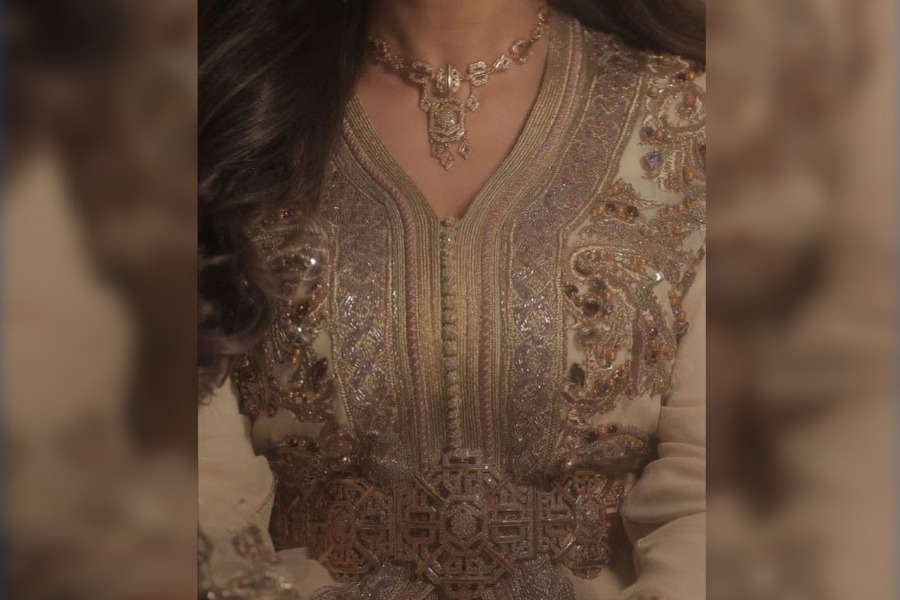
For Moroccan women, luxury isn’t only an indulgence, it’s an art form. Fez – Moroccan women have a deep appreciation for beauty, luxury, and tradition. From gold jewelry to extravagant home decor, their love for certain material things is more than just a trend, it’s a part of their identity. Whether it’s an investment, a cultural staple, or simply a statement of elegance, these obsessions define their style and lifestyle. Gold jewelry Gold is more than just an accessory for Moroccan women, it’s a legacy. Whether gifted at weddings or carefully collected over the years, gold is seen as both a symbol of beauty and financial security. Large, beautiful bracelets, rings, and earrings are worn proudly, and no special occasion is complete without them. Perfume and musk Moroccan women take their scents seriously. From deep, woody ouds to soft floral fragrances, perfume is a must-have in every routine. Musk, in particular, holds a special place, often used after showers or before bed to leave a lasting, luxurious scent. A Moroccan woman’s presence isn’t just seen, it’s smelled before she even enters a room. Luxury caftans A Moroccan woman’s wardrobe is never complete without stunning caftans. These Moroccan traditional dresses, often embroidered with gold or silver threads, are worn at weddings, celebrations, and special occasions. Owning a beautifully crafted caftan is about preserving heritage while making a grand entrance. Fancy tea sets Moroccan tea culture is sacred, and so is the art of serving it. Women take pride in owning a beautifully designed “berrad” (teapot) and accompanying glasses, often made of engraved silver or colorful hand-painted glass. A proper tea set is a must-have for entertaining guests in true Moroccan style. Moroccan salon and decor A Moroccan woman’s home is her palace, and the salon (living room) is its crown jewel. From handwoven rugs to carved wooden furniture, every detail is carefully selected to impress guests. Plush cushions, golden chandeliers, and intricate zellige tiles make Moroccan interiors stand out, reflecting both tradition and modern luxury. High-quality bed linens and fabrics Many Moroccan women also love luxurious bed linens and home textiles. Silk, satin, and high-thread-count cotton sheets are must-haves for a well-made bed. Embroidered pillowcases and sheets with Terz Fassi are carefully chosen to add a touch of heritage, culture and elegance all at once to every corner of the home. Skincare and natural beauty products Moroccan women swear by natural beauty remedies. Argan oil, rose water, “ghassoul” clay, and black soap are essentials in every skincare routine. Passed down through generations, these beauty secrets keep their skin radiant and youthful. Beyond these obsessions, every Moroccan woman has her own favorite luxury. More than just goods, they embody cultural identity and heritage. Read also: Unspoken Cultural Rules Moroccans Follow Without Question
The Silent Burnout of Young Women Balancing Career & Culture
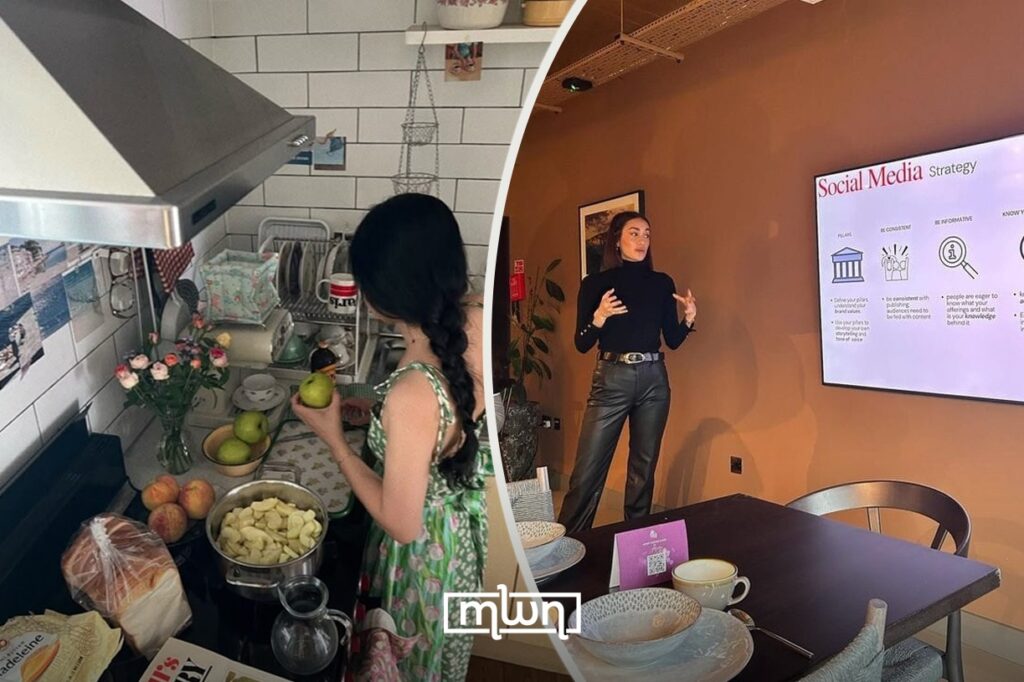
She wakes up before the sun, carries the weight of her family’s pride, her own dreams, and a world that never asks if she’s tired. Fez – In a world that claps for women when they succeed, few stop to ask what it costs. Behind the polished smiles and perfect Instagram posts, there’s a quiet storm inside young women fighting two battles at once; the race to build a career and the pressure to hold on to culture’s expectations. These women were raised with stories about strong mothers, patient wives, and daughters who never disappoint. They were taught that family comes first, that respect is earned by silence, and that their worth is measured by how much they give, not how much they want. But they also grew up in a world of ambition, degrees to earn, jobs to chase and dreams to fight for. Between tradition and independence, they walk a line so thin, one wrong step feels like betrayal. At work, they are expected to be confident, loud, and fearless. At home, they are often expected to be soft, patient, and selfless. One face for the office, one face for the dinner table. In the middle, they lose themselves. They answer emails at midnight because they need to prove they belong. They say yes to family gatherings, they don’t have the energy for because saying no feels like disrespect. They carry it all, quietly, until they can’t anymore. This burnout doesn’t come with loud cries or dramatic exits. It’s silent. It shows up in the sudden heaviness of getting out of bed. In the moments they sit in their cars, staring at nothing, too tired to go inside. It hides in the fake smiles they wear for guests, in the deep breath they take before answering another “When will you settle down?” It’s in the way they doubt themselves, always wondering if they are failing both worlds, too modern for home, too traditional for work. The hardest part is no one sees it. To the family, they are the golden daughters, responsible and kind. To colleagues, they are the rising stars, reliable and hardworking. No one notices how tired their souls are, how they crave space to just be; not daughters, not employees, not examples, just themselves. Young women deserve more than survival. They deserve a world where success doesn’t mean sacrifice, where culture evolves with them, where family support doesn’t come with conditions, and where burnout isn’t the price they pay for wanting more. Because strength isn’t carrying it all alone. True strength is being seen, heard, and allowed to rest. Read also: Why Do People Judge Mothers More Than Fathers?
The Lost Art of Reading Coffee Grounds
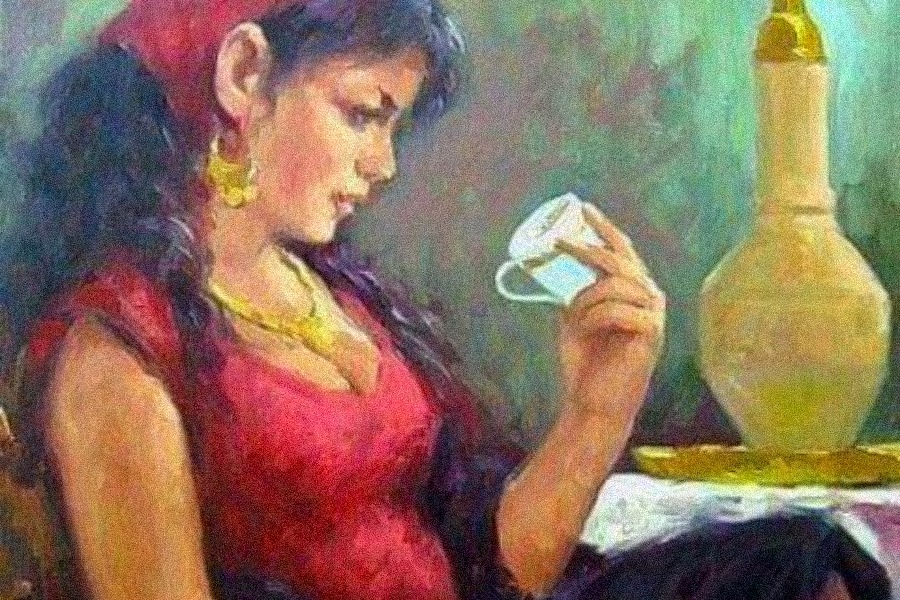
Coffee is more than just a drink. It’s a moment to sit, to talk, to laugh, and just sometimes, to read the future. Fez – Long ago, Arab women used coffee grounds to read secrets hidden in the cup. This old habit is not as common today, but in some homes, it still happens when friends gather. It starts with a small cup of black coffee, usually strong and thick, like Turkish coffee. After drinking, the person turns the cup upside down on a small plate. The cup stays upside down for a few minutes, so the grounds can slide down and leave shapes inside. Then, the real magic begins. One woman, usually the oldest or the one known for her “gift”, picks up the cup. She turns it slowly, looking at the dark shapes inside. Every line, every spot, every curve tells a story. Sometimes, the shapes show clear pictures: a tree, a bird, a road. Each picture has a meaning. A bird can mean news is coming. A tree can mean growth or family success. A road can mean a journey, either in real life or a change in someone’s path. Other times, the pictures are not clear. They look like clouds or strange forms, and the woman must feel their meaning. This is why not everyone can read coffee grounds. It’s not only about seeing shapes, it’s about understanding feelings, energies, and connecting the pictures to the person’s life. This art is not just about knowing the future. It’s also about sharing advice, opening hearts, and sometimes, giving hope. Women used to do it for fun during afternoons together, especially when talking about love, marriage, or family problems. It was a way to talk without asking too many questions, to offer advice without sounding too direct. Even though many young people today don’t believe in it, some still enjoy it. It brings laughter, curiosity, and a small taste of the past. It also reminds them of their mothers and grandmothers, sitting together, laughing and guessing what the future holds. In cities, this tradition is disappearing. Life moves faster now. Coffee comes from machines, and people have less time to sit and watch the grounds dry. But in some villages, and in homes where culture still sits at the heart of daily life, the cups still turn, the grounds still slide, and the secrets of the future still rise from the dark. Because sometimes, the future is only a sip away. Read also: Ancient Moroccan Rituals to Keep the Peace
How Moroccan Women Balance Work, Family & Worship in Ramadan
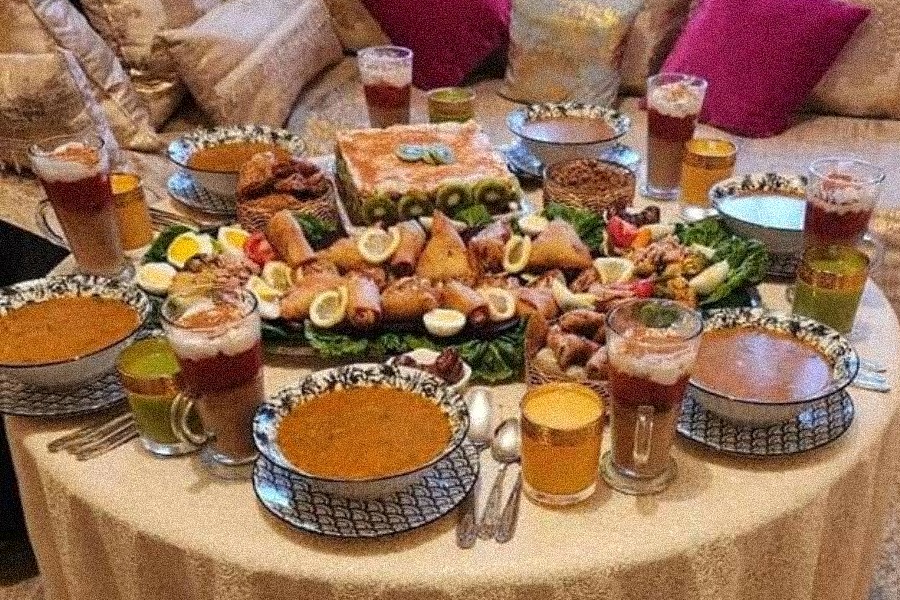
In the heart of every Moroccan home, there’s a woman carrying more than anyone notices. Fez – The sun sets over Morocco during Ramadan, the smell of harira wraps around the house like a warm hug. In every corner, there’s movement. A pot bubbling. A child asking for something. A phone ringing with a relative checking in. And in the middle of it all, a woman stands, balancing everything like she always does. Moroccan women during Ramadan carry more than anyone sees. They are the heart of the house, the planners, the cooks, the listeners, the ones who make sure Ramadan feels like Ramadan. But that’s only half the story. These women are also employees, students, and business owners. They answer emails while kneading dough. They study for exams after Taraweeh prayers. They hold meetings with the scent of mint tea clinging to their clothes. The world outside doesn’t slow down for Ramadan, even when the body begs for rest. In Morocco, many women wake up before the first light, their hands preparing suhoor while their minds run through the day ahead. Some leave the house before their families even open their eyes, heading to offices, schools, or markets. They work with empty stomachs and tired bodies, but no one at work sees the second shift waiting for them at home. Because when work ends, another world begins. Groceries need to be bought. Dough needs to rise. Tables need to shine. They don’t complain. They turn every task into love, because for Moroccan women, Ramadan is not just about fasting. It’s about giving time, energy, patience and presence. But inside that giving, there’s a quiet fight. Between stirring pots and folding laundry, these women steal moments for themselves. A whispered prayer before the adhan. A page of the Quran while the bread bakes. A deep breath on the balcony after everyone’s asleep. Worship doesn’t always happen in perfect silence with a prayer mat and a peaceful mind. Sometimes, worship is in the middle of the chaos in the intention, in the love they pour into the food, in the quiet patience they hold when their bodies are tired and their spirits are running on empty. And when the iftar table is full and the family gathers, no one sees the invisible work behind the feast. But Moroccan women don’t need applause. They have something stronger, the quiet knowing that every small act, every tired step, every hidden prayer is seen by the One they do it all for. Because in Ramadan, Moroccan women don’t just serve food. They serve love, faith, and family all at once – all the time. Read also: Why Moroccan Moms Are Our Ultimate Life Coaches
Why Do Moroccans Love Gossip?

In every Moroccan home, café, and street corner, there’s one thing you’ll always hear, but never admit you love. Fez – If you live in Morocco or have Moroccan friends, you know one thing for sure: Moroccans love to gossip. It’s everywhere, at home, in the café, in the souk, and even at weddings and funerals. But why do we love it so much? A social tradition Gossip is not just talk; it’s part of our culture. In Morocco, people live close to each other. Families are big, neighbors know everything, and everyone is connected. In small towns, if someone sneezes, the whole street knows. Even in big cities, the habit has endured. We grow up watching our parents and grandparents talk about people. Not in a bad way, just sharing news. “Did you hear about Fatima’s daughter? She got engaged!” or “I saw Ahmed driving a new car. Where did he get the money?” Such inquisitive comments are natural in conversations across Morocco. The café culture For men, the café is more than a place to drink coffee. It’s a meeting spot, a news center. They sit for hours, sip their tea, and discuss everything, politics, football, and of course, people’s lives. If a neighbor buys a new house, if someone got divorced, or if there’s a new couple in town, they know. Women’s gatherings For women, gossip flows in a different way. The hair salon, the hammam, weddings, baby showers, these are all places where stories spread fast. A woman visits a friend, and after five minutes, the real conversation starts: “Did you see what she wore?” “Her son failed his exams.” “They say her husband is jobless.” Social media Before, gossip stayed between people. Now, it’s online. Facebook, Instagram, TikTok, and Moroccans use them all to share news, rumors, and scandals. A small fight in the street? Someone films it. A wedding dress that’s too modern? People comment. A celebrity did do something strange? Everyone talks. Social media turned gossip into a national sport. One click, and the whole country knows your business. Life is not always easy. Gossip is fun. It’s a way to escape problems, to laugh, to connect. When people sit together and talk about others, they feel entertained. Some say it’s bad, but let’s be honest, sometimes it makes life more exciting. Is gossip bad? Not always. Sharing news is normal. But when gossip turns into lies, jealousy, or destroys someone’s life, that’s when it becomes dangerous. Moroccans will never stop gossiping. It’s in our blood, part of who we are. The only question is: today, are you the one gossiping, or the one being gossiped about? Read also: The Art of Moroccan Mom’s Side-Eye
The Double Life of the Moroccan Girl: Who We Are vs. Who We Have to Be
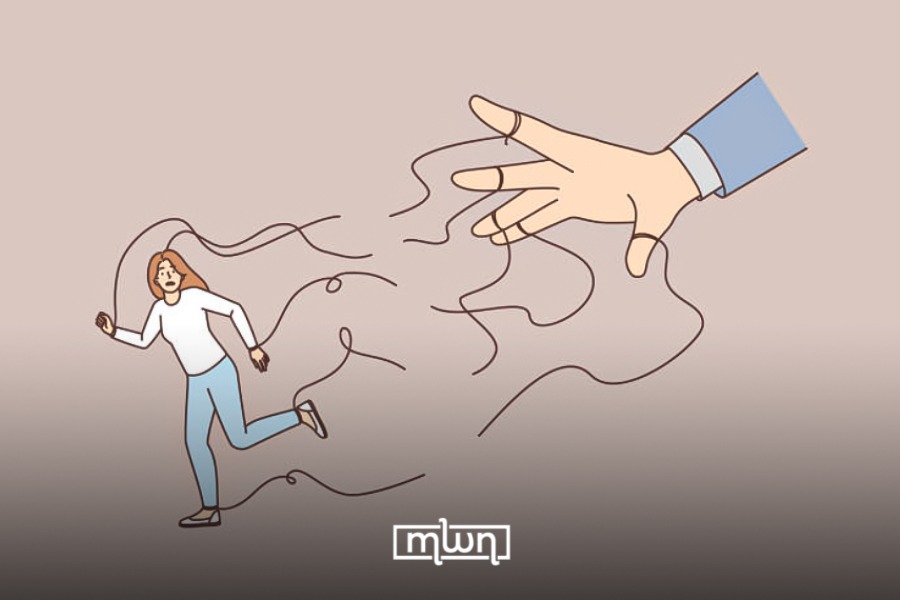
The lines between who we are and who we’re told to be blur every day, and the weight of this contradiction is unbearable. Fez – Moroccan girls often live with a constant weight on their shoulders. We are forced to balance two different identities, one for the world and one for ourselves. At home, we laugh freely, dream big, and express our personalities without holding back. But once we step outside, everything changes. We lower our voices, adjust our clothes, and become careful with our words and actions. Society watches closely, ready to judge, to shame, to remind us of the “proper” way to behave. But perfect for who? For the same people who break the rules behind closed doors? For the same men who preach respect but seek out what they claim to condemn? For the same women who judge us but defend their own when they break the same so-called rules? It’s a cruel game. They tell us to be pure, yet they give men the freedom to do whatever they want. They tell us to respect tradition, but they bend those traditions when it suits them. They say family honor depends on us, but where is their honor? Why does it never seem to depend on them? And if we dare to live authentically, we are labeled. If we speak up, we are “too much.” If we remain silent, we are “weak.” If we choose love, we are “shameless.” If we wait, we are “old.” No matter what we do, we lose. Every day, we watch as girls are forced to lie to survive. They pretend to be the “good” girl to avoid being disowned. They hide their struggles because of what others might say. They suffocate under a set of rules that even the rule-makers don’t follow. The question is: When will it stop? When will Moroccan girls be allowed to live freely, without the constant fear of judgment? When will society confront its hypocrisy? When will we be allowed to just be? It’s time for a change, not only in Morocco, but girls all over the world who face these pressures. It’s time to call out these double standards. It’s time to refuse to play this game anymore. Moroccan girls deserve to live without pretending. They deserve to be themselves, everywhere they go. Read also: The Truth About Love: Why Waiting for a Prince Won’t Make You a Princess
The Truth About Love: Why Waiting for a Prince Won’t Make You a Princess
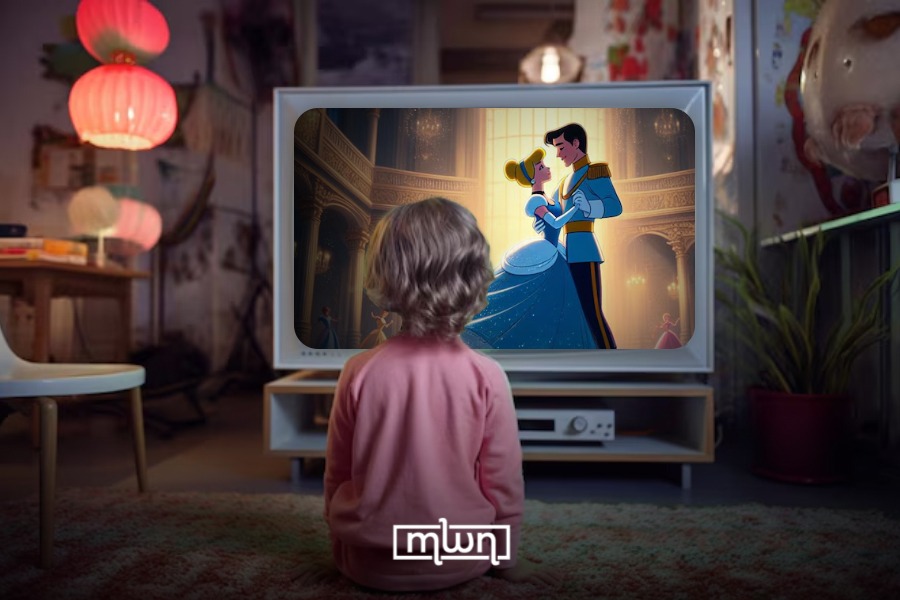
Every girl dreams of love, but what if the story we’ve been told is the very thing keeping us from finding it? Fez – Once upon a time, Disney told little girls a story. A girl, lost in her own world, just being herself, doing nothing to grow or change, waiting. Then, out of nowhere, a prince appears. He saves her, loves her at first sight, and they live happily ever after. No effort, no struggle, just a magical love story. For years, girls grew up believing this. That one day, the perfect man would show up, as if love was something that just happened. No lessons, no heartbreaks, no work, just a fairy tale. But then reality hits. That perfect prince never comes. Instead, there are men, real men, flawed, different, and nothing like the ones in the movies. And suddenly, love feels hard, disappointing, even impossible. The truth is, love is not a magical rescue mission. No man can read minds, fix broken hearts, or give a woman the life of a princess just because she exists. Relationships are not fairy tales; they are built. Love is not something that happens, it’s something that grows. And for it to grow, both people must be ready. A woman who waits for love but refuses to grow will always feel like something is missing. She will expect too much, give too little, and wonder why every relationship fails. She will demand a perfect man while ignoring the work it takes to be the kind of woman who can sustain a healthy, strong love. Because love isn’t just about meeting the right person, it’s about being the right person too. Love requires emotional intelligence. It needs patience, communication, and the ability to understand another person’s world. Men and women come from different backgrounds, with different ways of thinking, feeling, and expressing love. A strong woman knows this and doesn’t run away at the first sign of trouble. She listens, she learns, she works through the differences. So, what do women really want in men? The truth is, the real question should be: What does love require from both? A woman deserves the best kind of love, but she must also be the best version of herself to receive it. Not perfect, but responsible. Not passive, but present. Not waiting, but building. To the young girls still dreaming of a prince: Love is beautiful, but it is not magic. It is a journey. And before you search for the right person, make sure you are ready to be the right person too. Read also: Nighttime Rituals for a Beautiful, Organized Life
Genius Arab Women Who Changed History
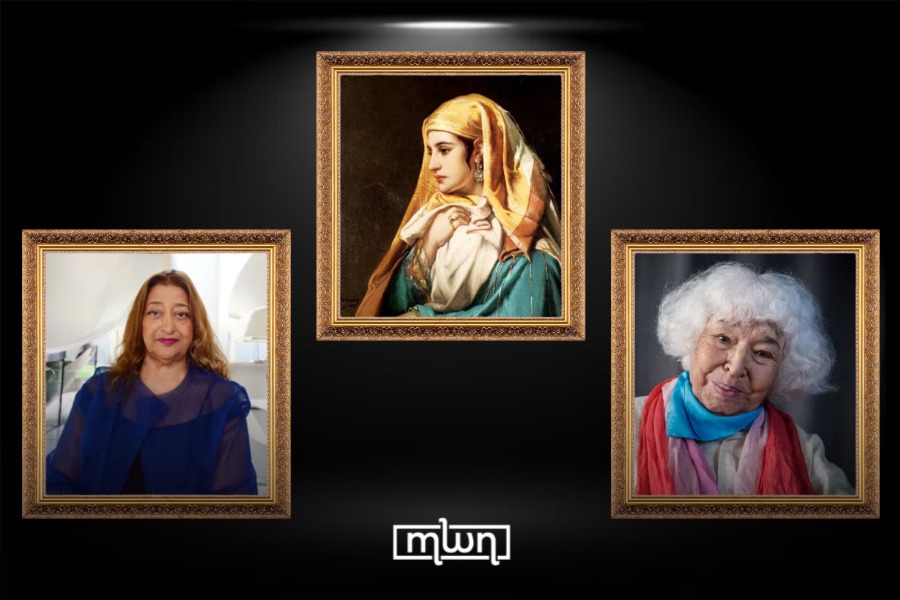
Behind every great invention and groundbreaking idea, there’s often a story of a woman whose vision changed the world; yet her name remains surprisingly unknown to many. Fez – Throughout history, Arab women have made remarkable contributions in various fields, challenging conventions and paving the way for future generations. From science to literature, these women broke barriers and proved that innovation and brilliance are not bound by gender or geography. Here’s a look at five Arab women whose inventions and achievements have had a lasting impact on history. Rana El Kaliouby: the pioneer of emotional AI Rana El Kaliouby, an Egyptian-American scientist, is a trailblazer in the field of artificial intelligence. She co-founded Affectiva, a company that develops AI software that can understand human emotions by analyzing facial expressions and voice tones. Her work has revolutionized how machines interact with humans, bringing emotional intelligence into technology. El Kaliouby’s contributions have the potential to improve mental health care, create better user experiences, and help AI systems become more empathetic. Merieme Chadid: the astronomer who took the Moroccan flag to Antarctica Merieme Chadid is renowned for her pioneering work in astronomy, particularly for being the first astronomer dedicated to installing telescopes for a large astronomical observatory in Antarctica. She played a key role in the installation of the world’s largest telescope in Chile’s Atacama Desert and contributed to the development of the Dome C observatory in Antarctica, one of the harshest environments on Earth. In 2005, she became the first Moroccan woman to set foot in Antarctica, planting the first Arab flag at the South Pole. Fatima Al-Fihriya: founder of the world’s first university Fatima Al-Fihriya, a Moroccan woman born in the 9th century, is credited with founding the University of Al Quaraouiyine in Fez, Morocco, which is considered the oldest continuously operating degree-granting university in the world. Al-Fihriya used her inheritance to build a mosque and a school that became an intellectual hub in the Islamic world. Her vision not only advanced education but also ensured that knowledge and learning became central to Islamic culture. Nawal El Saadawi: the bold voice of women’s rights in the arab world Nawal El Saadawi was an Egyptian physician, psychiatrist, and influential advocate of women’s rights. She focused on political and sexual rights for women throughout her career, often confronting religious and political authorities. El Saadawi founded Health Magazine, which was shut down by the government, and later established the Arab Women’s Solidarity Association (AWSA). Her works, such as “The Hidden Face of Eve” and “Woman at Point Zero”, addressed issues like female genital mutilation and the patriarchy of religious fundamentalism. Despite facing legal challenges and imprisonment, she remained a powerful voice for women’s rights in the Arab world. Zaha Hadid: the Iraqi who revolutionized the architectural world Known for her bold, futuristic, and often organic forms, Zaha Hadid became the first woman to win the prestigious Pritzker Architecture Prize in 2004. Her groundbreaking designs include the London Aquatics Centre for the 2012 Olympics, the Guangzhou Opera House in China, and the Heydar Aliyev Center in Azerbaijan. Zaha Hadid’s work pushed the boundaries of architecture, blending technology and fluid geometry to create iconic buildings that seemed to defy traditional design norms. These incredible Arab women have shaped the world with their innovations, courage, and determination. Their achievements serve as a reminder that women from all backgrounds have the power to change the course of history. By celebrating their stories, we inspire future generations of women to dream big, challenge the status quo, and make their own mark on the world. Read also: Is Space the Final Frontier or Just the New Neighborhood?
Baby Shower – the Moroccan Way
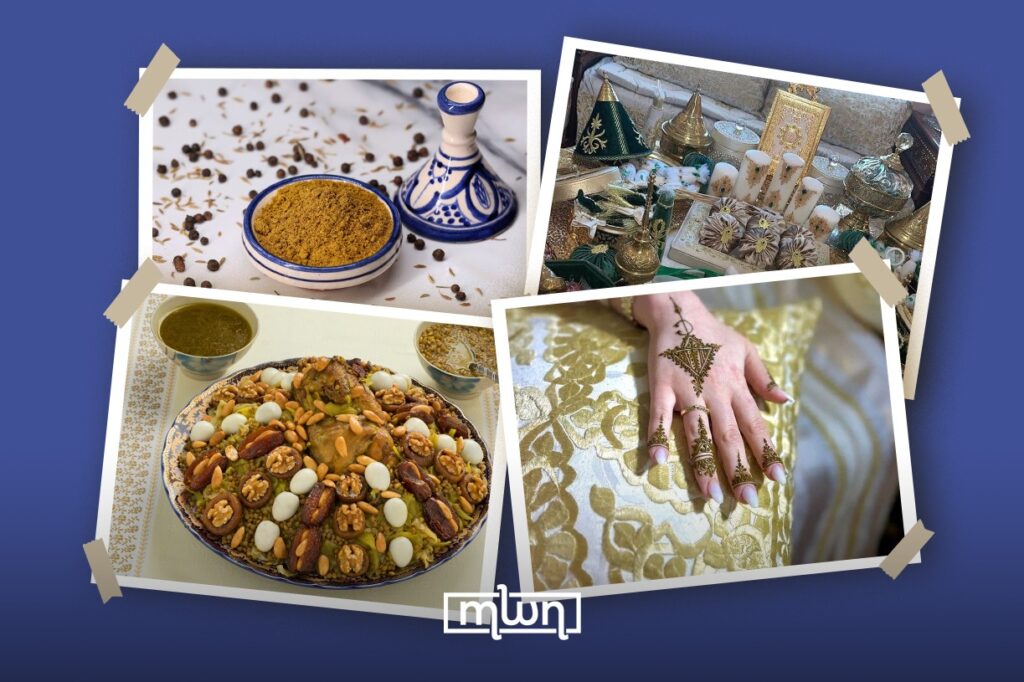
In the heart of Morocco, there lies a centuries-old tradition that honors the baby, the new mother, and her close circle of women in the community. Fez – In Morocco, the journey of motherhood is celebrated with a cherished tradition known as the “henna ceremony” during the seventh month of pregnancy. This unique event, steeped in culture and symbolism, is an occasion to honor the expectant mother, uplift her spirits, and prepare for the arrival of her child. The henna ceremony opens with blessings and ululations, followed by lively Moroccan music that fills the air. Guests are treated to a feast of traditional dishes, Moroccan sweets, and mint tea, symbolizing generosity and hospitality. The celebration, often organized by the pregnant woman’s family and close friends, revolves around the application of henna. A skilled artist, known as the “naqasha” or “hennaya,” is invited to adorn the mother-to-be’s hands and feet with henna patterns. These designs are not only a form of beauty but also carry deep cultural and spiritual significance. As the henna is applied, women chant traditional blessings, including the phrase, “Hanni ya l-hamla bash Rabbi yhan alik” (Apply henna so that God may ease your journey), reflecting the belief that henna, often called “a tree from paradise,” brings blessings and protection. This celebration goes beyond its cultural roots to become a moment of joy and care. It is a chance for the community to nurture the mother-to-be, ensuring she feels valued and supported. Family and friends shower her with thoughtful gifts, from baby clothes to essential supplies, helping her prepare for the new chapter ahead. Preparation for the henna ceremony begins well in advance. The expectant mother enjoys a pampering session, often starting with a warm Moroccan bath, or “hammam”, where her skin is cleansed and exfoliated using natural products like scented henna, basil, and “ghassoul” (a Moroccan clay infused with rose water). On the day of the celebration, she wears an elegant traditional caftan, accessorized with jewelry and makeup, radiating grace and joy. In some regions, the celebration spans several days, reflecting the community’s devotion to this tradition. Families prepare “rfissa” — a dish made with slow-cooked chicken, lentils, spiced broth over layers of bread, and boiled eggs — served primarily to women for three consecutive days. Additionally, “msakhen” (special flatbreads stuffed with spiced chicken and onions) and desserts like “sello” or “zemita” (a sweet, spiced mixture of roasted flour, nuts, and honey) are offered. There is also a deeply symbolic aspect to serving these dishes. In Moroccan traditions, eating “rfissa” and “msakhen” at a pregnant woman’s celebration is believed to bring good fortune, especially for women who have struggled with fertility. This practice, called “lfal”, which means “good omen,” reflects the hope that the blessings of the expectant mother will pass on to those seeking similar joy. In this way, this tradition honors not only the mother-to-be but also the resilience and unity of Moroccan culture. This milestone event is a reminder to everyone of the blessings that come with each stage of life. Read also: Introducing You to Different Types of Couscous
Amazigh Women’s Attire: An Ode to History, Identity, and Resilience
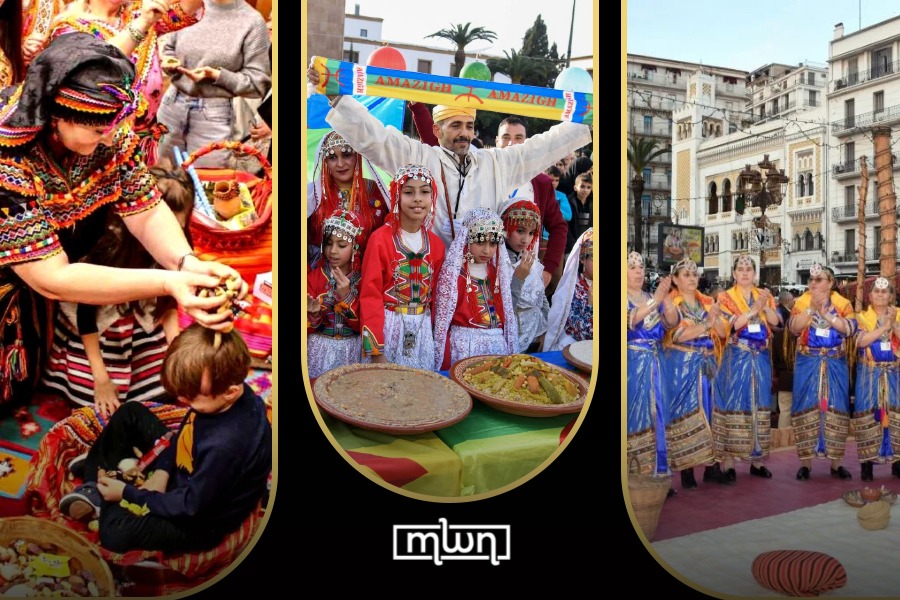
As we celebrate Yennayer 2975, let’s honor the Amazigh people’s rich cultural heritage by delving into the timeless beauty of their traditional attire. Fez – Amazigh attire is as diverse as the regions it represents, with vibrant colors, intricate designs, and layers of meaning. From the majestic Atlas Mountains to southern Morocco, these garments reflect a deep connection to heritage. Yet, this traditional dress isn’t confined to Amazigh regions alone—it has found admirers far beyond, thanks to designers who have reimagined it for modern audiences. One of the most iconic pieces is the Amazigh long and layered skirt, a symbol of modesty and elegance, called colloquially a “Saia”. Certain regions have unique variations of the skirt, like the “Semlalia” saia from the Idda Oussmlal area in Tafraoute, which is distinguished by its vibrant colors and intricate patterns. Paired with the equally dazzling Amazigh caftan — usually red with colorful pom-poms — these garments form an enchanting ensemble. In the Soussi regions, for everyday wear, women also wear this shirt alongside white “Adals” — the long Amazigh head scarves that serve the dual purpose of keeping modest and cool during the warmer months. Women in Tafraoute are also known to wear the black “melhfa” — a long black garment that elegantly wraps around the body from head to toe. No Amazigh outfit is complete without its distinctive silver jewelry, often adorned with colorful gemstones. These pieces are more than decorative—they carry stories and, at times, have played a role in historical resistance. The “Tessqwin“, a horn-shaped headpiece, is both a crown and a cultural emblem. During the French colonial era, women in southern Morocco ingeniously used these accessories to conceal and transport gunpowder and ammunition to resistance fighters. Loose-fitting dresses allowed them to smuggle small weapons undetected, turning their attire into tools of defiance and survival. The “Khellala”, a triangular brooch, and the “Mezboud”, a silver tiara, are other cherished adornments. Women also wore heavy bracelets called “Tazarzit,” designed with sharp edges for protection—a literal shield in times of danger. Traditional jewelry collections also have the “Tasdidt,” a silver necklace adorned with old coins, and the “Tawnza,” a silver crown, all made with intricate detail by Amazigh artisans. Every detail of Amazigh attire serves a purpose beyond beauty. The “Istrah,” a handwoven belt often in red, black, or brown, is a marvel of both form and function. Women use it for support during strenuous tasks like carrying wood, drawing water, or harvesting crops. This belt, often up to five meters long, is essential for the backbreaking labor Amazigh women have historically undertaken. Another key element is the “Tasbint,” a vibrant, embroidered headscarf, paired with the “Taassabt,” a second layer that secures it in place. Together, they ensure modesty while adding a burst of color to the ensemble. Amazigh clothing isn’t just about daily wear; it carries profound ceremonial importance. The “Tamizart,” a shawl made from wool and silk, is a treasured gift from mothers to their daughters, passed down through generations. Even the footwear, like the “Tirchasine,” a leather shoe embroidered with colorful threads, adds to the outfit’s harmony. As Amazigh women don their traditional attire, they embody a legacy of resistance, beauty, and cultural pride. From the vibrant fabrics to the ingenious use of accessories, these garments worn by these powerful women stand as a testament to the enduring spirit of the Amazigh people. As we celebrate the Amazigh New Year — Yennayer 2975 — on Tuesday, let’s honor their contributions to Morocco’s rich tapestry of cultures. Read also: Preserving Morocco’s Fading Traditions in Today’s Modern Age