Women Are at the Heart of the Ramadan Preparations
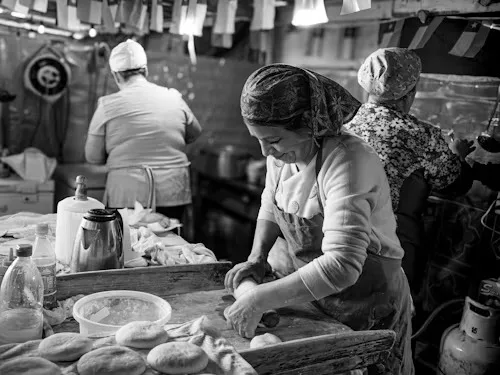
As the sun rises and sets during Ramadan, there is a quiet rhythm in homes across the world, one led by women, whose daily labour ensures families are well fed.
Why We Love Kadim Al Sahir
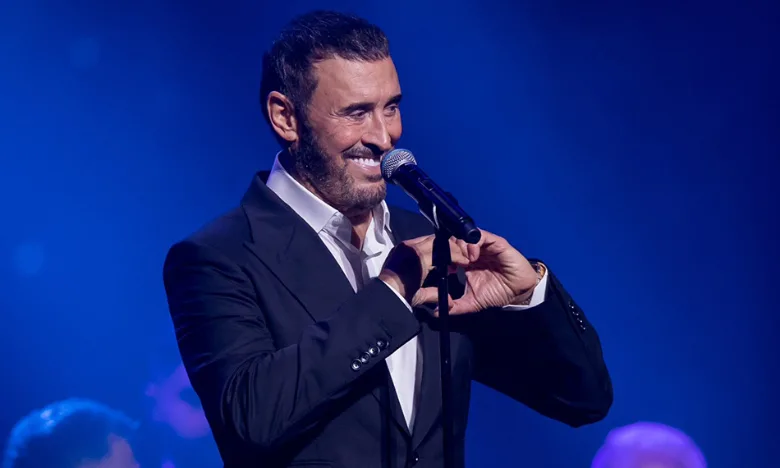
One reason not to love him? There isn’t any.
Leonard Lauder’s Lipstick Index Redefines 2025’s Lipstick Look
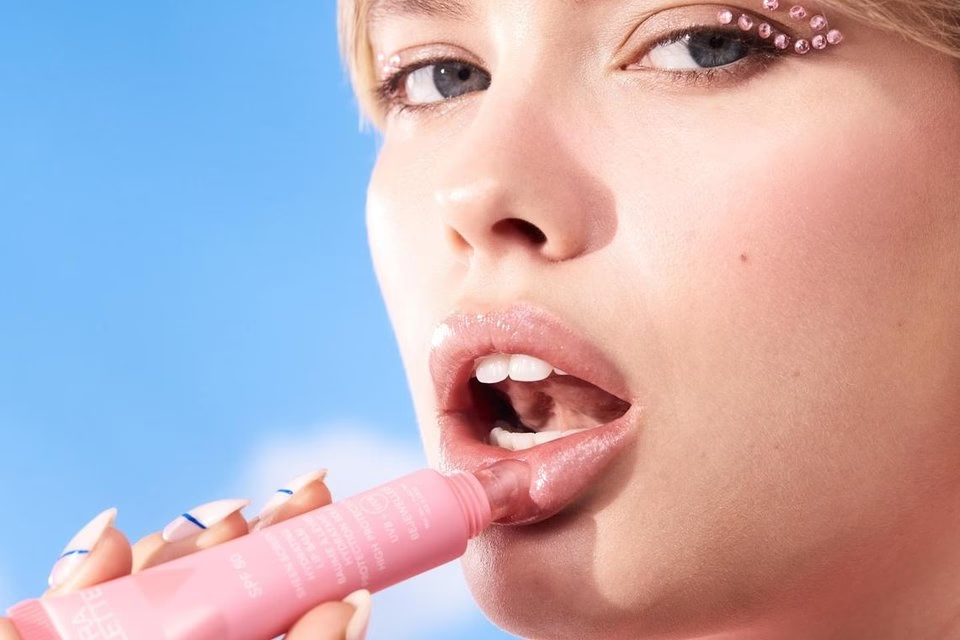
This new lip treatment shifted the meaning of lipstick from the context of consumption to skincare’s fastest growing segment.
Pregnancy Cravings Explained: A Journey into Maternal Appetites
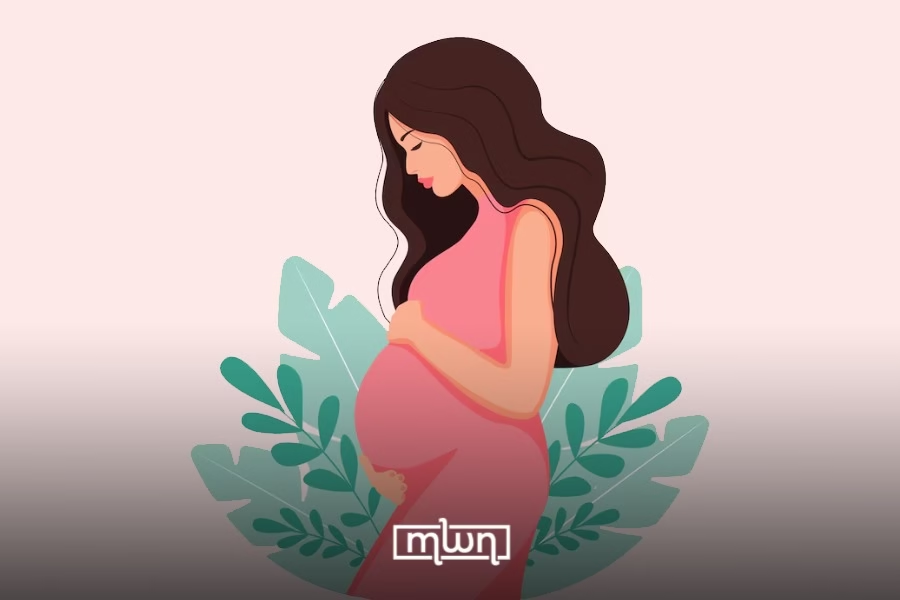
Ever wondered why pregnancy brings about unusual food cravings? Let’s delve into it Fez – Pregnancy cravings: Those sudden, intense desires for specific foods are a hallmark of the expectant journey, affecting a significant majority of pregnant women. From the classic pickles and ice cream duo to more unconventional combinations, these cravings have sparked curiosity and numerous theories. Let’s delve into the science behind pregnancy cravings to separate fact from fiction. Hormonal fluctuations: The internal culprits During pregnancy, the body undergoes substantial hormonal changes. Elevated levels of estrogen and progesterone can heighten the sensitivity of taste buds, making certain flavors more appealing. Additionally, these hormonal shifts can influence the brain’s reward system, increasing the release of dopamine: a neurotransmitter associated with pleasure, which may intensify the enjoyment derived from specific foods. Nutritional deficiencies Some experts suggest that cravings may be the body’s intuitive way of signaling nutrient deficiencies. For instance, a yearning for red meat might indicate a need for more iron, essential for increased blood production during pregnancy. Similarly, cravings for dairy products could reflect a calcium deficiency, vital for fetal bone development. However, it’s important to approach this theory with caution, as not all cravings are directly linked to nutritional needs. Psychological and cultural influences Cravings aren’t solely a product of biology; psychological and cultural factors play significant roles. In many cultures, there’s an expectation that pregnant women will experience cravings, potentially shaping their experiences. Moreover, pregnancy can be a stressful time, and some women may turn to specific comfort foods as a coping mechanism, reinforcing certain cravings. The Pica phenomenon: When cravings turn unusual In some cases, pregnant women develop cravings for non-food items like ice, dirt, or starch, a condition known as pica. This behavior can be indicative of underlying nutritional deficiencies, such as iron deficiency anemia, and poses potential health risks. It’s crucial for expectant mothers experiencing such cravings to consult healthcare providers for proper assessment and guidance. While indulging in cravings is often harmless, moderation is key. Opting for healthier alternatives can satisfy cravings without compromising nutritional intake. For example, if sweets are calling, choosing fresh fruits over processed candies can be a nutritious compromise. Maintaining a balanced diet rich in essential nutrients supports both maternal and fetal health. citeturn0news13 Debunking common myths It’s essential to address prevalent misconceptions: Cravings predict baby’s gender: There’s no scientific evidence linking specific cravings to the baby’s sex. All pregnant women experience cravings: While common, not every expectant mother will have cravings; some may even develop food aversions. Cravings are an excuse for unhealthy eating: While it’s tempting to indulge, it’s important to make nutritious choices for the health of both the mother and baby. In essence, pregnancy cravings are a multifaceted phenomenon influenced by hormonal changes, nutritional needs, and psychological factors. Understanding the underlying causes can empower expectant mothers to manage their cravings effectively, ensuring a healthy and enjoyable pregnancy journey. Read also: Inside Morocco’s Buzzing Bee Museum
Eid Fashion Shift: Moroccan Women Embrace Global Styles But at What Cost?
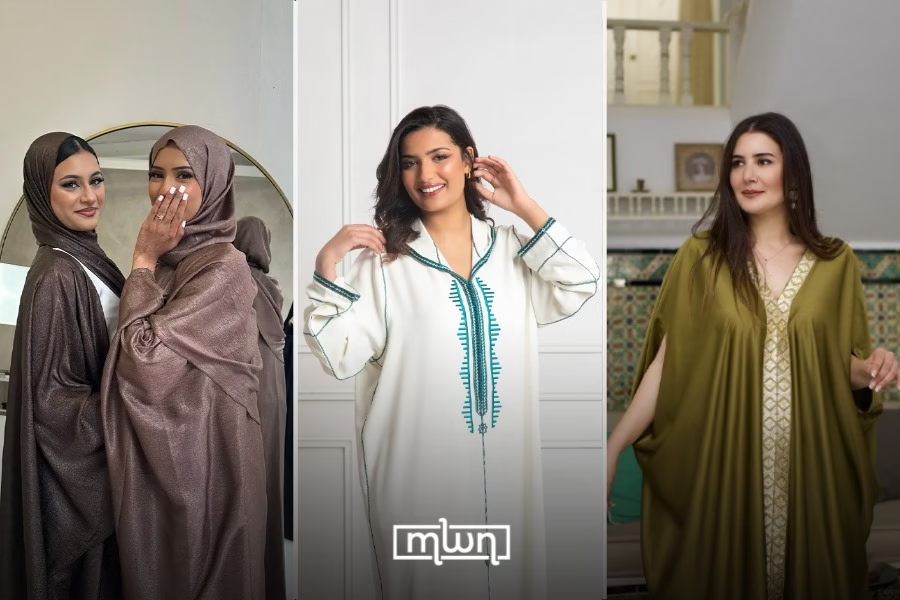
Moroccan Eid style is going global, but does that mean saying goodbye to the djellaba? Fez– This Eid, something unexpected has unfolded in Morocco. Traditionally, Eid outfits have been a sacred ritual, morning Kmiss for family greetings, an elegant djellaba for evening visits. But this year, a quiet revolution has taken over. Moroccan women are ditching tradition for a wardrobe that spans borders. From Emirati Mukhawar to Khaleeji Abayas and Tunisian Jebas, Eid fashion has taken a global turn. The shift, which started as a casual TikTok trend, has now fully blossomed into a style movement. But while diversity in fashion is exciting, this sudden pivot has sparked a debate: Are we celebrating global influences, or are we slowly erasing Moroccan cultural traditions? Fashion has always been fluid. Cultures influence one another, and that’s what makes style so dynamic. Embracing Emirati, Khaleeji, or Tunisian outfits doesn’t mean rejecting Moroccan heritage, it could simply mean evolving with the times. Social media has made the world feel smaller, introducing Moroccan women to styles they might never have considered before. And let’s be honest, some of these global outfits are incredibly elegant. The flowing abayas, the embroidery of the Mukhawar, the sophistication of the Jeba, they bring fresh, stunning silhouettes to Eid celebrations. Moroccan women aren’t just following a trend; they’re curating a wardrobe that reflects their personal tastes, fusing tradition with modernity. There’s also the appeal of standing out. Moroccan djellabas and caftans, while breathtaking, are expected during Eid. Why not surprise people with something new? Fashion is a form of expression, and for many, this shift is a way to embrace creativity. The fear of losing moroccan traditions But while cultural exchange is beautiful, some argue that something sacred is being lost. There was a time when Eid morning had a predictable, comforting rhythm, wearing the Kmiss, sipping mint tea, welcoming guests with a sense of nostalgia. By nightfall, the Jellaba took center stage, a symbol of Moroccan elegance. This routine wasn’t just about fashion, it was a cultural bond passed down for generations. Now, with TikTok dictating style choices, there’s a concern that these traditions might fade into the background. If Moroccan women stop wearing djellabas on Eid, what will happen in five or ten years? Will our children even associate Eid with these garments anymore? The djellaba and caftan aren’t just clothes; they hold stories, memories, and a deep cultural identity. And let’s not forget Moroccan fashion is already diverse within itself. From the Fassi Takchita to the Sahrawi Melhfa, Morocco offers a stunning variety of styles. Do we really need to look outside when we already have so much richness within our own borders? Ultimately, the shift in Eid fashion isn’t just about what women are wearing, it’s about how tradition and modernity collide in the age of social media. Some see it as an exciting evolution, while others feel a quiet sense of loss. The real question is: Can we embrace global styles without letting go of our Moroccan roots? Maybe the answer lies in balance, wearing a djellaba in the morning and a Mukhawar at night, keeping one foot in tradition while stepping forward in style. Read also: Artisanal Craftsmanship Bridges Morocco’s Past and Future at Rabat Traditional Wedding Festival
“Haqq Al-Melh”: Morocco’s Most Heartfelt Tradition
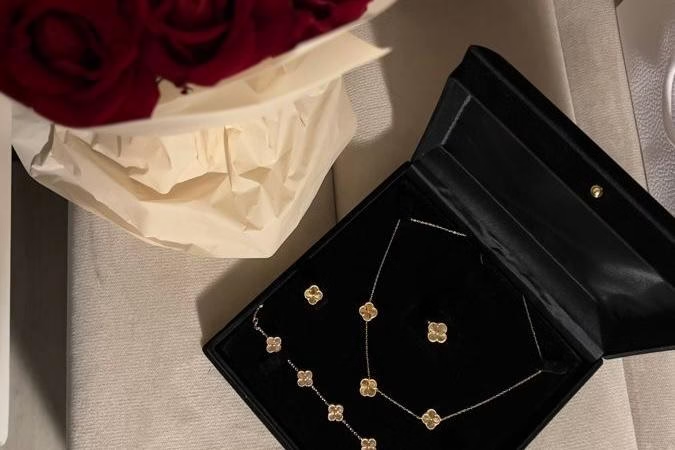
Food in Morocco comes with a side of gratitude – a tribute to the hands that prepare it. Fez – Picture this: You’ve just spent an entire month cooking elaborate meals, making sure your family breaks their fast with the tastiest of dishes. You’ve planned, prepped, and perfected every meal from sunset to suhoor. And then, Eid arrives, and instead of just a simple “thanks,” your husband hands you a beautiful gift. That’s “Haqq Al-Melh”; a Moroccan tradition as sweet as chebakia and as heartwarming as a steaming bowl of harira. “Haqq Al-Melh” translates to “the right of salt,” but don’t be fooled, this isn’t about seasoning. It’s a deep-rooted Moroccan tradition that celebrates the women who tirelessly prepare meals throughout Ramadan. As Eid arrives, their husbands give them a token of appreciation, anything from jewelry to cash or even a heartfelt gesture. It’s not just a gift; it’s a recognition of effort, patience, and, let’s be honest, superhuman kitchen skills. This practice goes back centuries and is linked to the broader concept of sharing food as a form of social bonding. Such traditions serve as a cycle of generosity, where giving isn’t just about kindness but also about creating lasting moral and social ties. At its core, “Haqq Al-Melh” is about respect and appreciation. Ramadan is no joke. Fasting from dawn till dusk, then making sure everyone eats well, all while managing daily life? It’s exhausting. And while no one’s expecting a grand reward, a little gratitude goes a long way. But here’s the fun part: this tradition isn’t just Moroccan. Across North Africa, it exists under different names: “Haqq Al-Taam” in Algeria and “At-Takbira” in Tunisia and Libya, but the idea remains the same: When someone feeds you, you acknowledge it in a meaningful way. Can this tradition survive the fast food era? Let’s be real: Moroccan society has evolved. Fast food is now an option, and some people barely cook during Ramadan. Individualism is creeping in, and social bonds aren’t as tight as they once were. But “Haqq Al-Melh” isn’t just about food; it’s about connection, respect, and keeping traditions alive. You’ll still hear Moroccans say “sharkna at-taam” (we shared food), a phrase that goes beyond its literal meaning. It symbolizes an unbreakable bond, sometimes even sacred, if a dispute arises, you might hear someone swear “By the food we shared!”. That’s how deep it runs. So, whether you’re receiving “Haqq Al-Melh” or giving it, know this: it’s more than just a tradition; it’s an unspoken promise that in Morocco, food is more than food; it’s a language of love, loyalty, and lifelong ties. Read also: Making the Most of the Last Days of Ramadan
“Rahma”: A Gripping Ramadan Drama Shedding Light on Women’s Struggles
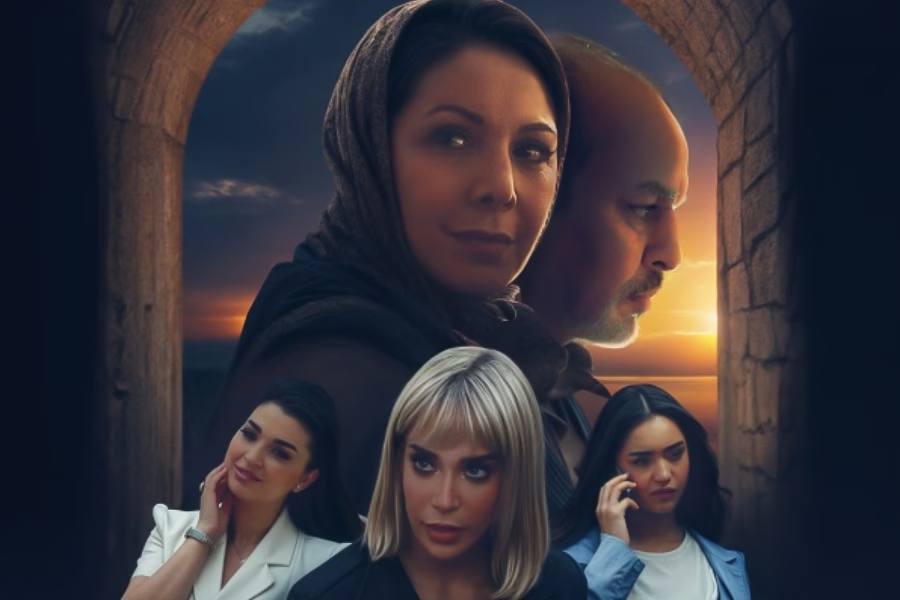
One woman, one child, one relentless fight against a world that turned its back. Fez – In a highly competitive Ramadan TV lineup, “Rahma” stands out, not just for its compelling narrative but for its raw, emotional portrayal of the silent battles many women fight. Written by Bushra Malek and directed by Mohamed Ali El Mejbour, the series airs on MBC5, captivating audiences across generations with its heart-wrenching realism. At its core, “Rahma” tells the story of a Moroccan mother abandoned by her husband after giving birth to a child with special needs. Left to navigate the relentless hardships of life alone, she embodies resilience, love, and sacrifice in the face of overwhelming odds. Her journey is a reflection of many real-life women who bear the weight of responsibility alone, struggling to provide for their children while society turns a blind eye. Beyond its gripping plot, “Rahma” serves as a powerful social commentary on gender dynamics in Moroccan society. The series exposes the painful reality of mothers left behind when fathers refuse to take responsibility, a narrative that resonates far beyond television screens. It highlights the isolation, stigma, and economic hardships that single mothers, especially those raising children with disabilities, face daily. But “Rahma” is not just about suffering; it’s about strength. It showcases the indomitable spirit of women who refuse to give up, even when abandoned. It’s about mothers who fight tirelessly for their children’s dignity, proving that true parenthood isn’t about biology but about presence, commitment, and love. The series boasts a stellar cast, including Farah El Fassi, Mouna Fettou, Abdellah Didane, Karima Gouit, Reem Fikri, and Seddik Mekouar, among others. Their performances breathe life into the narrative, making the audience feel every moment of heartbreak, every triumph, and every ounce of hope. Adding to its emotional depth, the series’ theme song is performed by Asma Lmnawar and Mahdi Mouzayine, two of Morocco’s most celebrated artists. Their voices bring an added layer of poignancy to the show, ensuring that “Rahma” is not just watched but deeply felt. As “Rahma” unfolds throughout Ramadan, it does more than entertain; it sparks conversations. It forces viewers to confront uncomfortable truths about gender inequality, parental abandonment, and the struggles of women who are left to fend for themselves. It challenges societal norms and, most importantly, gives a platform to the invisible stories that deserve to be heard. In a world where many women silently endure suffering, “Rahma” dares to speak out. And that, perhaps, is its greatest triumph. Read also: One Special Thing About
Applications Open for the 4th Edition of the Moubdiaat Award
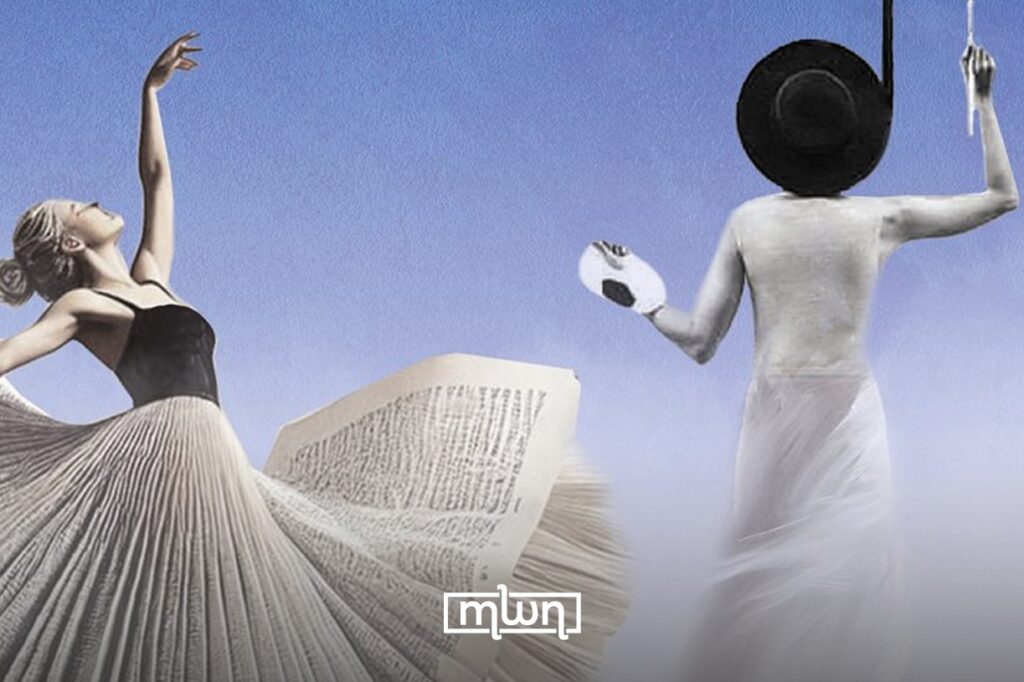
A new opportunity arises for Morocco’s creative women with the opening of the 4th Moubdiaat Award. Fez – The Ministry of Youth, Culture, and Communication has just opened applications for the 4th edition of the Moubdiaat (creative women) Award – with an opening that coincided with International Women’s Day on March 8th. This year, the competition is open to talented women of all ages and from all regions of Morocco. There are three categories where participants can showcase their creativity: musical instruments, slam-rap, and body expression. The ministry encourages women to let their talent shine by submitting a video showing their work. The prize values in each category are impressive: the first-place winner will receive MAD 60,000 the second place gets MAD 40,000, and the third-place contestant will walk away with MAD 20,000. These monetary prizes aim to encourage more women to pursue their artistic passions and gain the recognition they deserve. To apply, interested women need to submit a video capsule with their creations. The submissions will be evaluated by a specialized jury, ensuring that each entry is judged with fairness and expertise. The deadline for applications is set for April 8, so there’s no time to waste! Whether you’re a musician, a poet, or someone who expresses themselves through movement, the Moubdiaat Award is your chance to be recognized for your creativity and contribution to the arts. So, if you’re ready to step up and show the world what you’ve got, head over to the official site to submit your video. This could be your moment to shine and claim the prize that could help launch your artistic career even further. Let’s celebrate the power of women’s creativity! Read also: What Can Space Do to Your Body
The ‘Fix It’ Mentality: Why Men Always Offer Solutions
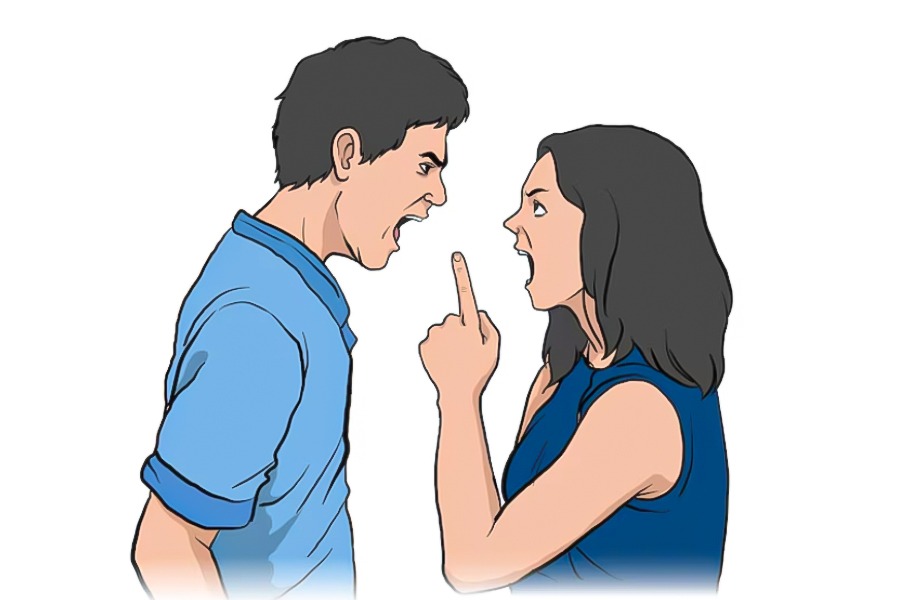
If you’ve ever wished a man would just listen instead of trying to fix everything, you’re not alone. Fez– Ever shared a frustrating story with a man, only to have him immediately jump in with a “solution” you didn’t ask for? You sigh, he’s confused, and suddenly, what was supposed to be a simple venting session turns into an unintentional argument. Welcome to the world of the “Fix It” mentality; a psychological and cultural phenomenon that explains why men often default to problem-solving instead of emotional support. Before we start blaming society (don’t worry, we’ll get there), let’s look at the biology behind this tendency. Research suggests that male and female brains often process emotions and problem-solving differently. Men’s brains have stronger connections between perception and action, while women’s brains have more connectivity between emotion-processing areas. Translation? Men tend to focus on fixing problems, while women are often more attuned to emotional expression. Testosterone also plays a role. Higher levels of this hormone are linked to increased competitiveness and a results-driven mindset. When a man hears a problem, his brain says, “Fix it, win, move on.” But if someone just wants to be heard? That’s not part of the usual game plan. The hero instinct Beyond biology, society reinforces this behavior. From a young age, boys are encouraged to “be tough,” “stay strong,” and most importantly “solve problems.” Whether it’s fixing a broken toy or helping a friend out of trouble, boys are often praised for taking action rather than simply listening. This carries into adulthood, where many men feel a subconscious pressure to be providers and protectors. When a loved one expresses distress, their instinct isn’t to say, “I hear you.” Instead, they jump straight into “Here’s how we fix this,” because solving problems equals showing care. Here’s where things get tricky: while men assume they’re being helpful, women often feel unheard. Many women seek validation and emotional connection when discussing their frustrations, not an immediate action plan. When a man skips the “that sounds tough” and goes straight to “here’s what you should do,” it can feel dismissive, even if his intentions are good. This difference in communication styles is one of the most common frustrations in relationships. It’s not that men don’t care; they just express care differently. How to meet in the middle So, what’s the solution (ironically)? A little awareness goes a long way. Men: Before offering solutions, ask, “Do you want advice or just someone to listen?” This small question can work wonders. Women: If you just want to vent, let him know upfront: “I don’t need a fix, just a listening ear.” Understanding this dynamic doesn’t just prevent misunderstandings, it strengthens relationships. Because at the end, the real “fix” here is simply learning how to communicate better. Read also: The Quiet Struggles of Ramadan Away From Family
The Silent Battles Men and Women Face
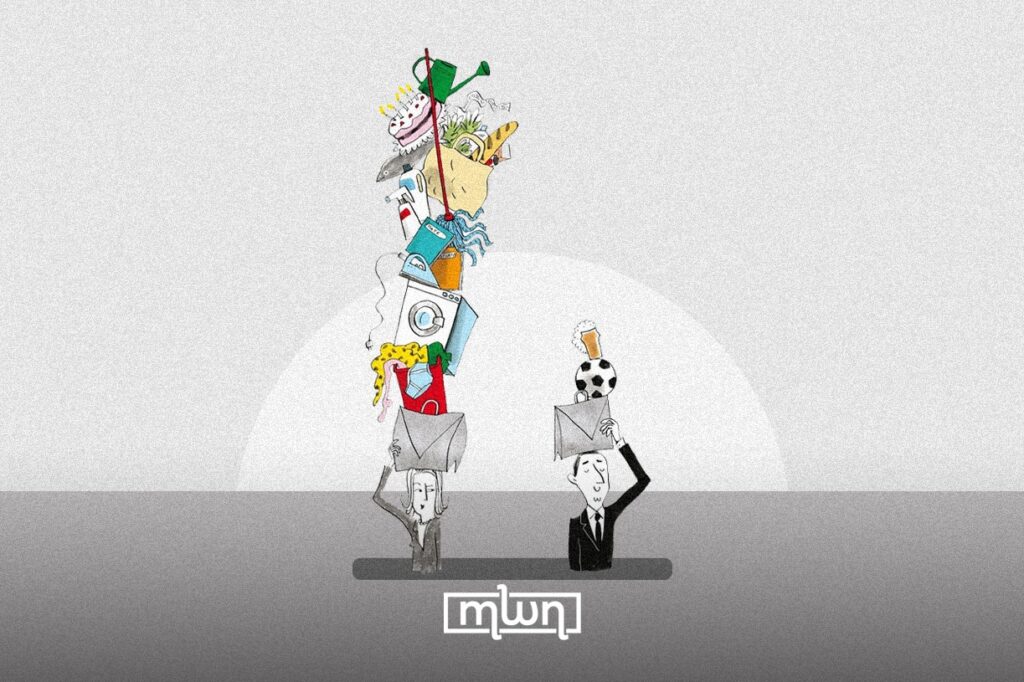
Behind every interaction between men and women lies a quiet struggle, shaped by years of societal pressure and unspoken rules. Fez – There’s a quiet tension that exists between men and women, one that often goes unnoticed but is felt in countless ways. It’s not a battle fought with words or fists, but a deeper, unspoken conflict, one that has existed for centuries, yet continues to shape our daily lives. The truth is, men and women are always in a silent battle, even if we don’t always realize it. This isn’t about domination or power. It’s about identity. Men and women have spent years being shaped by society’s expectations of what they should be. From the moment we’re born, we are taught how to behave, how to express ourselves, and what roles we must play. Men are encouraged to be tough, unemotional, and assertive. Women are taught to be gentle, caring, and nurturing. These expectations come with their own set of pressures and frustrations, creating a divide between the two. For men, this means they often feel they have to suppress their emotions, bury their vulnerabilities, and present themselves as the “strong” one. Society tells them that expressing weakness is a form of failure. Yet, in their silence, they are left fighting with their own feelings, battling a world that expects them to be something they may never feel they can truly be. For women, the battle is different. They’re often expected to juggle multiple roles: to be a caring partner, a dedicated mother, and a successful professional. Society places immense value on their ability to multitask and remain emotionally available at all times. The pressure to meet these expectations can feel suffocating, and any attempt to step outside the box is met with judgment. In this quiet struggle, women often find themselves questioning their worth and their place in the world. This silent battle extends beyond expectations. It’s in the way men and women interact with each other, the way they sometimes struggle to understand each other’s experiences. Men might feel they don’t have the space to express their true selves without being labeled as “weak,” while women might feel their voices are ignored or dismissed. Both sides have different battles, but they stem from the same underlying issue: a lack of understanding and the constant pressure to fit into roles that don’t truly reflect who they are. It’s not a simple fight. It’s a complex web of expectations, insecurities, and frustrations that both men and women face. However, the solution isn’t winning or losing. It’s about creating a world where both sides can feel free to be themselves, without the constant need for comparison or judgment. Ultimately, the battle isn’t about men versus women. It’s about a world that demands we be more than what we are. It’s time to break the silence, understand each other’s struggles, and realize that we’re all just trying to find our place in a world that expects too much of us all. Read also: Why Moroccan Moms Are Our Ultimate Life Coaches