Rabat – While Eid Al Adha mornings are often remembered for family gatherings, delicious meals, and warm traditions, many women experience the day very differently behind the scenes.
Before most families even sit down together, countless women have already spent hours cleaning, cooking, organizing, serving tea, preparing meat, washing dishes, and making sure everything runs smoothly.
The morning begins early and moves fast. Kitchens fill with steam, spices, and nonstop movement. Living rooms welcome guests one after another.
Between the sheep preparation, the cooking, and the deep cleaning that follows, the day can quickly become physically exhausting.
Yet despite how much work goes into creating the Eid atmosphere, women rarely pause long enough to enjoy it themselves.
That is why the moments after the cleanup matter more than people think.
Across Moroccan homes, many women have quietly created their own little post-Eid rituals once the hardest part of the day is over.
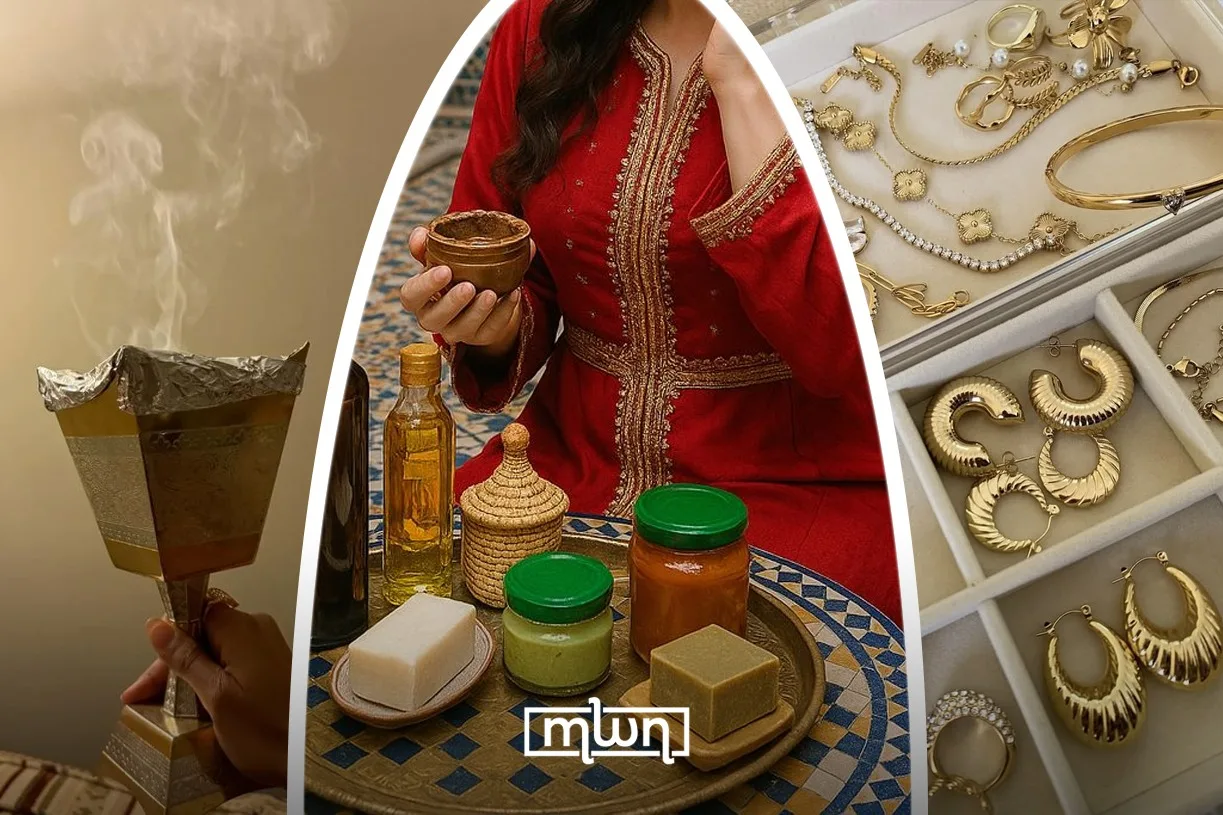
A long shower after hours in the kitchen. A fresh gandoura in soft colors. Rose water, musk, or a favorite perfume replacing the smell of charcoal and spices. A hot cup of tea, finally enjoyed while sitting down instead of serving everyone else first.
These small acts may seem simple, but they carry something deeper: comfort, recovery, and a chance to reconnect with the festive spirit after the rush of responsibility.
Fashion also becomes part of that emotional reset. After practical clothes worn for cooking and cleaning, changing into an elegant traditional outfit instantly shifts the mood.
Flowing gandouras, fresh cotton sets, soft makeup, brushed hair, delicate jewelry, all become reminders that Eid is not only about taking care of everyone else, but also about feeling good personally.
Social media has also started highlighting this reality more openly. More women are sharing “before and after Eid cleanup” moments, showing the contrast between the exhausting labor of the morning and the calm self-care moments that come afterward.
The conversation around invisible domestic work, especially during holidays, is becoming more visible online, often mixed with humor, solidarity, and honesty.
At its heart, Eid Al Adha remains a celebration of family, generosity, and togetherness.
But perhaps one tradition that deserves more attention is making sure the women who carry much of the day’s work also get the space to rest, refresh, and enjoy the celebration themselves.