Safi – The Oriental Raï Festival will take place at the Stade d’Honneur square in Oujda from July 22 to 25, under the theme “Raï: The Spirit of Yesterday, the Energy of Today. From Local to Global.”
Seventeen acts will fill the four nights, and admission is free. The Oujda-Angad Prefecture’s cultural affairs association organizes it.
Three names, one origin
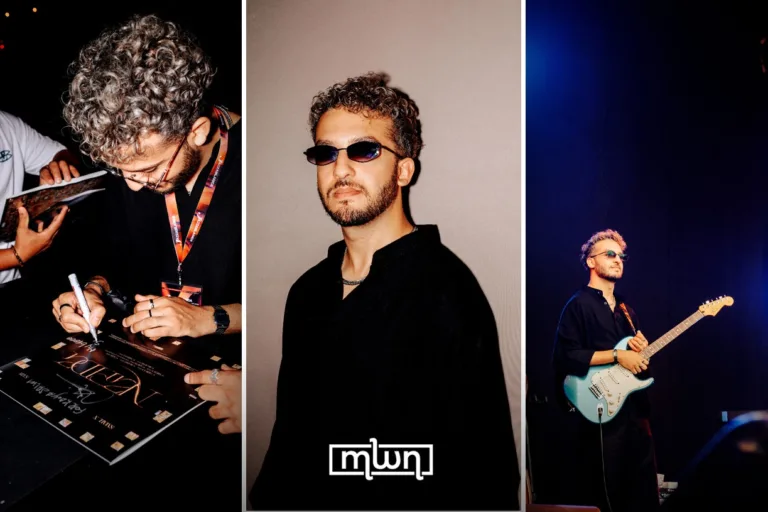
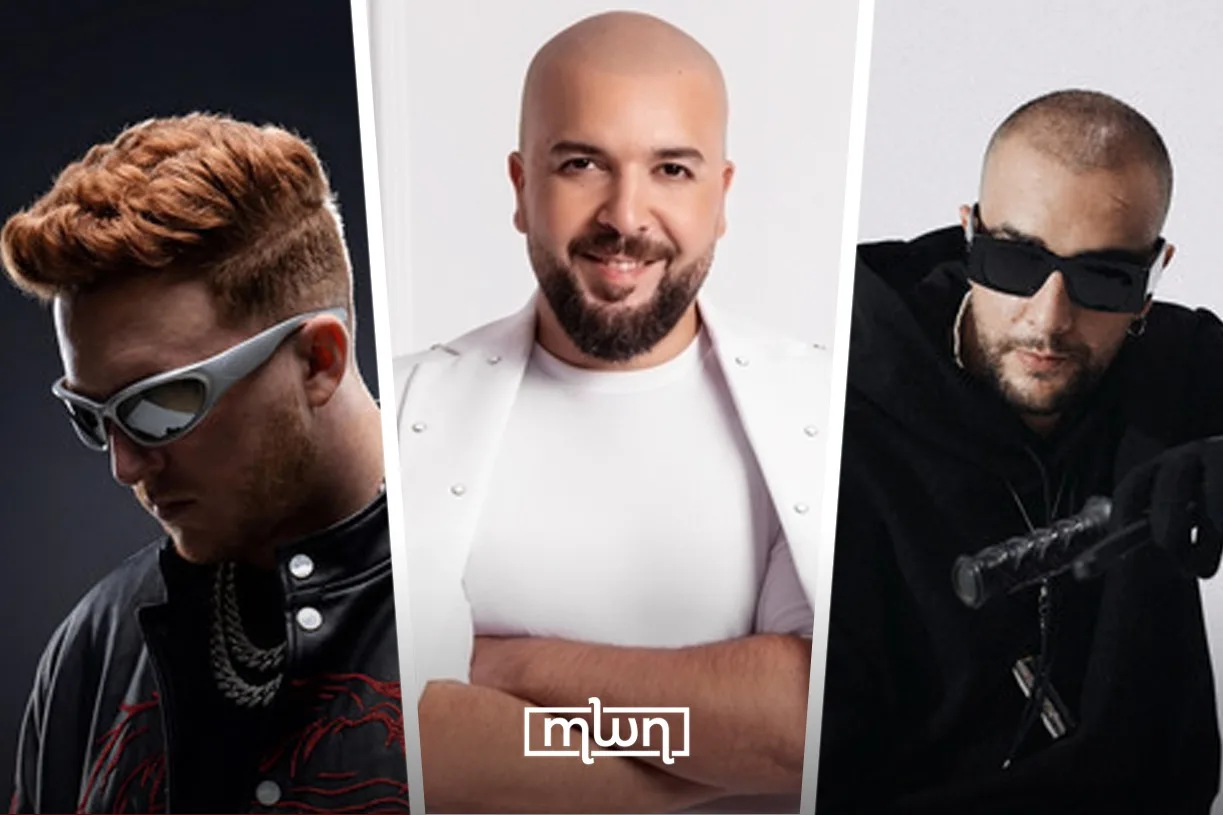
Lazaro, Draganov and Douzi will headline three of the four nights. All three come from Oujda or the villages at its edge, and all three made their names elsewhere.
That is the theme in miniature. The festival’s own announcement introduces Oujda as the city that made Raï a memory, a voice and an identity, and the lineup says the same thing without the poetry.
The opening night
Ariband, a fusion band formed in Oujda, will open the festival on July 22 with a set that runs from jazz, rock and blues into Raï and Gharnati, the Andalusian classical music of Morocco’s Oriental region.
Reggada, the Oriental’s own dance, will come second, in the hands of Mokhtar El Berkani, who has carried it from Berkane to European capitals for more than four decades.
The third set goes to Sami Ray, billed as the king of Moroccan Raï, before Zina Daoudia closes the night.
Where the headliners land
July 23 will belong to Lazaro, who comes from Naïma, a village on the outskirts of the city. He shares the night with Cheb Younes, Rachid Kasmi, Mohamed Ramzi and Abdelaziz Stati, a mainstay of Moroccan popular music.
The night after pairs Douzi, who calls Oujda his beloved city, with Draganov, who took the Raï of his childhood to Casablanca and folded it into American hip-hop.
Abdelhak Derafif joins them, alongside the duo Cheb Sadek and Cheb Wahid, who mix Raï with Ahaidous, a collective Amazigh dance.
The closing night on July 25 will go almost entirely to Oujda: Cheb Sapi, Snitra and Aymane Serhani are all from there, and Jaylann will join them.
Across all four nights, DJ Amine Radi, another son of the city, will work the decks.
The next generation
The festival is also hunting whoever comes after Draganov. Raï Generation Talent narrows 100 entrants to 32, then 16, then eight, then four finalists who battle one on one, with studio time, coaching, financial support and a set of their own waiting for the winners.
Building on a 30,000-strong night
The 2025 edition revived the festival after a four-year silence. It ran July 24-26, with Faudel, Saida Charaf, Zouhair Bahaoui and Hamid Bouchnak among the performers.
That program also held a symposium on Raï from the Cheikh to the Cheb, the old master to the young singer.
The association put the closing crowd at more than 30,000, and took the turnout as a sign of how much the region had missed the festival, especially the Moroccans who return each summer.
For four nights, the voices Oujda exported will be back on one square, in front of the people who heard them first.