Casablanca – Casablanca has added a new cultural landmark to its artistic landscape with the inauguration of the Museum of Photography and Visual Arts in the heart of the old medina on Tuesday.
Designed by Japanese architect Tadao Ando, the museum embodies a subtle dialogue between tradition and modernity. The centuries-old walls of the medina continue to shape the character of the space, while contemporary architectural elements quietly assert their presence.
In a statement shared during the inauguration ceremony, Mehdi Qotbi, president of the National Foundation of Museums, expressed how the museum’s contemporary design blends naturally with its historic surroundings, noting that it feels as though the building has always belonged within the medina’s architectural and cultural landscape.
He also expressed pride in Morocco hosting what he described as a landmark institution, becoming the first country on the African continent to inaugurate a museum of this scale dedicated to photography and visual arts.
Every photograph carries a narrative
The old medina seems a fitting home for a museum dedicated to photography. Photography is not merely the act of capturing an image through a lens. It’s a way of preserving stories, emotions, and fragments of time.
Every photograph carries a narrative. Every frame holds a moment that may pass in reality but remains suspended within the image, capable of surviving decades or even centuries.
In many ways, the museum’s location reflects the very essence of photography itself.
Nestled between the past and the present, it occupies the same space that every photograph eventually inhabits. The moment a picture is taken, it begins its journey into memory, transforming the present into history while preserving its spirit.
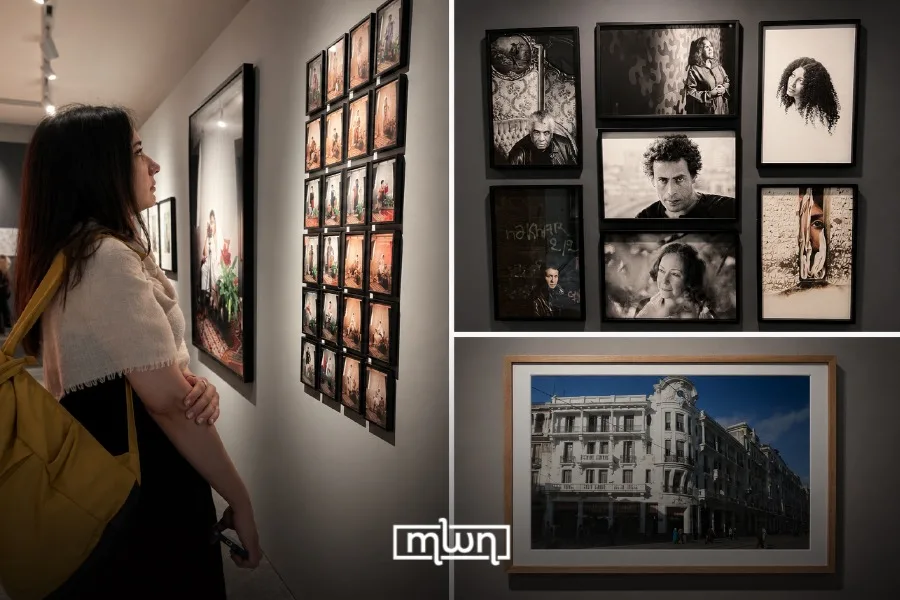
The museum’s inaugural exhibition, titled “CASA,” marks the beginning of that journey.
‘CASA’ leads the museum’s opening exhibition
As its name suggests, Casablanca stands at the center of the exhibition. Bringing together Moroccan and international artists, “CASA” explores the city through multiple perspectives and sensibilities.
Its vibrant energy and quieter moments, its urban rhythms and intimate corners, its architecture, streets, and people all find their place within the exhibition.
Each image reveals a different fragment of Casablanca, inviting visitors to rediscover a city that’s at once familiar and endlessly complex.
Yet the story extends beyond the museum itself.
Reviving the old medina through art
The project also shines a light on one of Casablanca’s most historic quarters. The decision to establish the museum within the old medina appears deliberate, reinforcing the idea that heritage sites should not merely be preserved as memories of the past, but continue to play an active role in contemporary cultural life.
Placing a museum of this scale within such a historic setting sends a clear message: the old medina remains alive, valuable, and relevant. It belongs to history, but it also belongs to the present.
Strengthening the museum’s long-term vision
For the Museum of Photography and Visual Arts, the inauguration represents only the first chapter of a broader ambition.
Among its upcoming milestones is the signing of a memorandum of understanding scheduled for January with the Wilaya of the Casablanca-Settat region, the Prefecture of Casablanca-Anfa, and the General Directorate of the Casablanca Urban Agency.
The agreement aims to support the museum’s management, programming, and long-term development.
With its doors now open, the Museum of Photography and Visual Arts offers more than a new exhibition space. It creates a meeting point between memory and creation, between architecture and image, and between a city’s past and the stories it continues to tell.
Read also:Inside ‘Mustapha Boujemaoui: The Poetics of Forms’ Exhibition