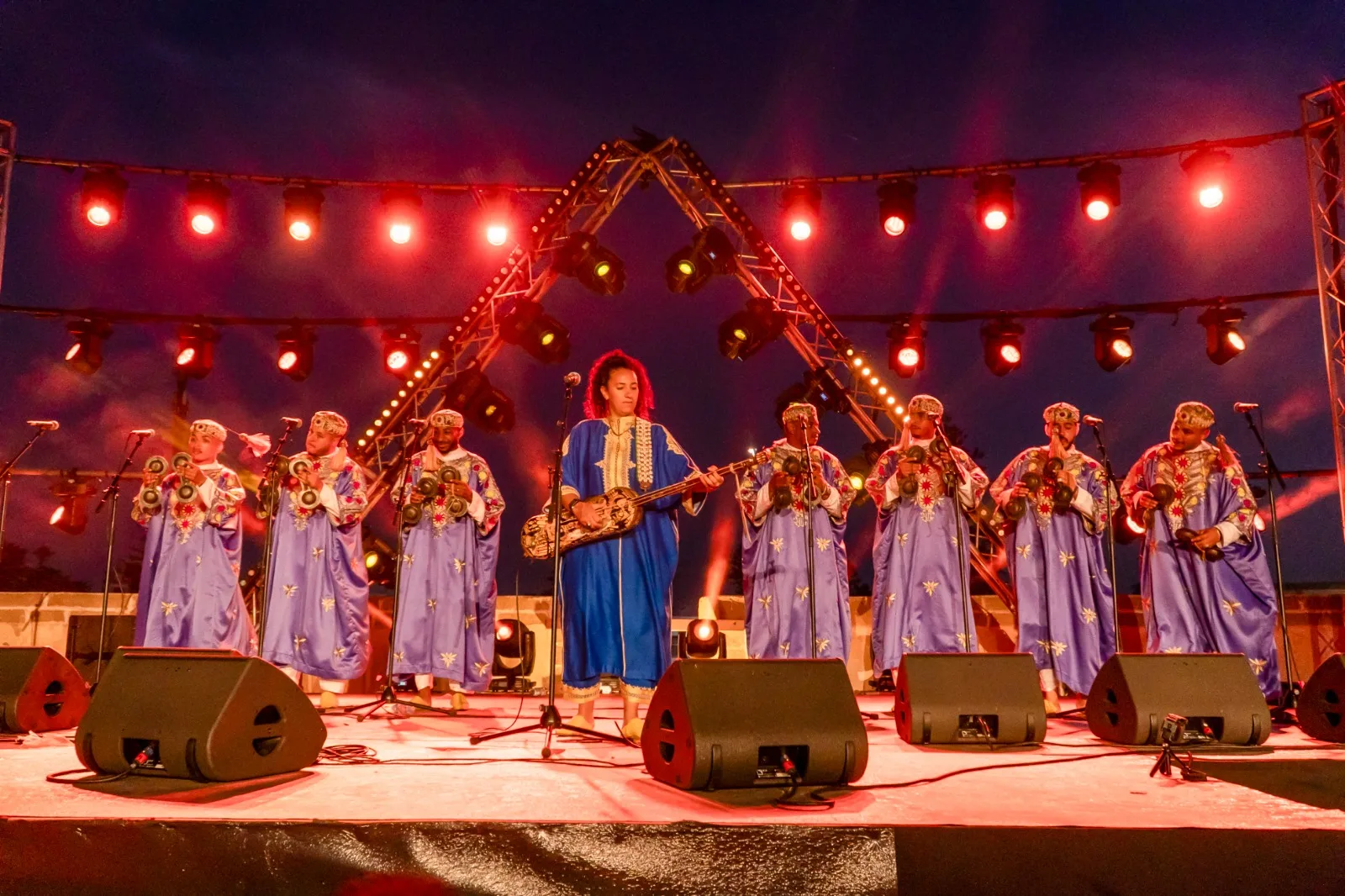
Rabat – The 27th edition of the Gnaoua and World Music Festival came to a close on June 28 after three days of music, artistic creation, cultural dialogue, and reflection, once again transforming the Atlantic city into one of Morocco’s most vibrant cultural crossroads.
Held from June 25-27, this year’s edition brought together more than 460 artists, including 43 Gnaoua Maâlems, across 52 concerts, alongside the Human Rights Forum, training programs, academic exchanges, and artistic residencies.
The event reaffirmed its position as a living cultural platform where heritage continues to evolve through dialogue with the present.
At the heart of the festival remains its signature commitment to fusion and artistic experimentation.
Each year, the event creates original performances designed specifically for Essaouira, where Gnaoua masters collaborate with musicians from around the world.
This year’s opening concert, led by Mehdi Nassouli, embodied that spirit, blending Gnaoua music with Rwanda’s Intore dance through the I Buhoro troupe, alongside Indian vocalist Ganavya, Moroccan artist Sara Moullablad and French flutist Sylvain Barou.
Another standout was the festival’s artistic residency, which united Hassan Boussou, Jacques Schwarz-Bart, Karim Ziad, and several other musicians in a world premiere unveiled exclusively in Essaouira.
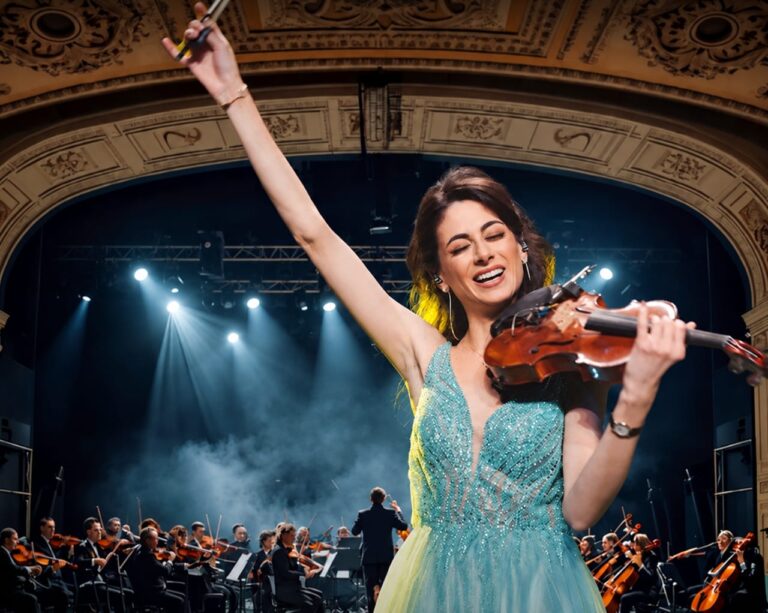
Other highlights included a powerful crossover between The Harlem Spirit of Gospel and Mehdi Qamoum, a celebrated performance by Richard Bona joined by Asmaa Lamnawar, and the long-awaited return of Carlinhos Brown, who closed the festival alongside Hamid El Kasri in a performance highlighting the deep Afro-Brazilian and Gnaoua connections.
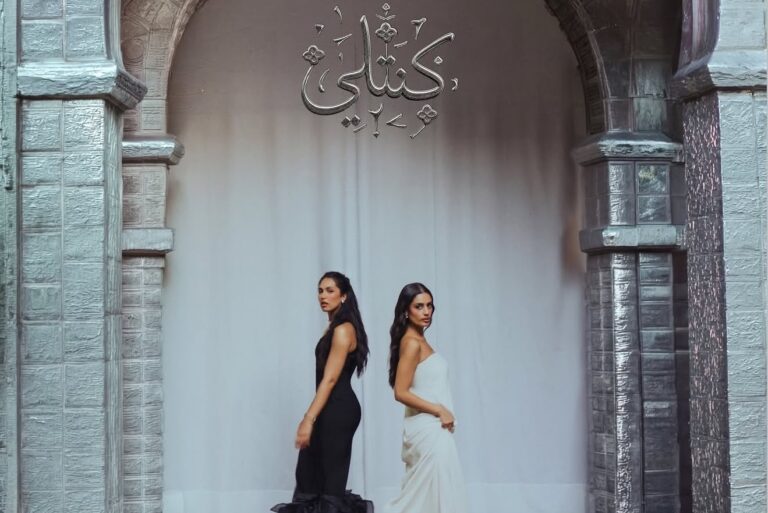
At the historic Borj Bab Marrakech, Yasmine Hamdan delivered one of the festival’s most intimate performances, while groups such as 47Soul, Hoba Hoba Spirit, Bob Maghrib and Oudaden reflected the event’s musical diversity.
A city moved by its public
Festival organizers reported more than 300,000 festivalgoers over the three days, filling Essaouira’s squares, ramparts, and medina streets.
As always, the city itself became an extension of the festival stage, with spontaneous music sessions and shared celebrations stretching beyond the official venues.
The audience remains one of the defining elements of the festival, turning each edition into a deeply participatory experience rather than a passive concert series.
Conversations on youth and freedom
The 13th Human Rights Forum, organized in partnership with the Council of the Moroccan Community Abroad, focused this year on the theme “Youth of the World: Freedom, Identity, Future.”
Opening the forum, Neila Tazi emphasized the inseparable link between youth and freedom, while Driss El Yazami described the festival as “the most democratic festival in Morocco” for its ability to gather diverse voices in an open and respectful environment.
Speakers included philosopher Souleymane Bachir Diagne, Moroccan Culture Minister Mohamed Mehdi Bensaid, French-Moroccan politician Najat Vallaud-Belkacem, and novelist Leïla Slimani, whose discussions explored identity, cultural citizenship, and youth engagement.
Transmission remains a cornerstone of the festival. For the third consecutive year, Berklee at Gnaoua welcomed musicians from around twenty countries for a week-long program of workshops, collaborations, and performances, reinforcing the festival’s growing educational dimension.
This edition also introduced new jam sessions at the former Danish Consulate, creating fresh spaces for improvisation between Maâlems, international guests, and Berklee musicians.
In partnership with Mohammed VI Polytechnic University and its Institute for Advanced Studies, the festival also hosted academic discussions exploring Gnaoua as a living knowledge system tied to memory, diaspora, ritual, healing, and artistic creation.