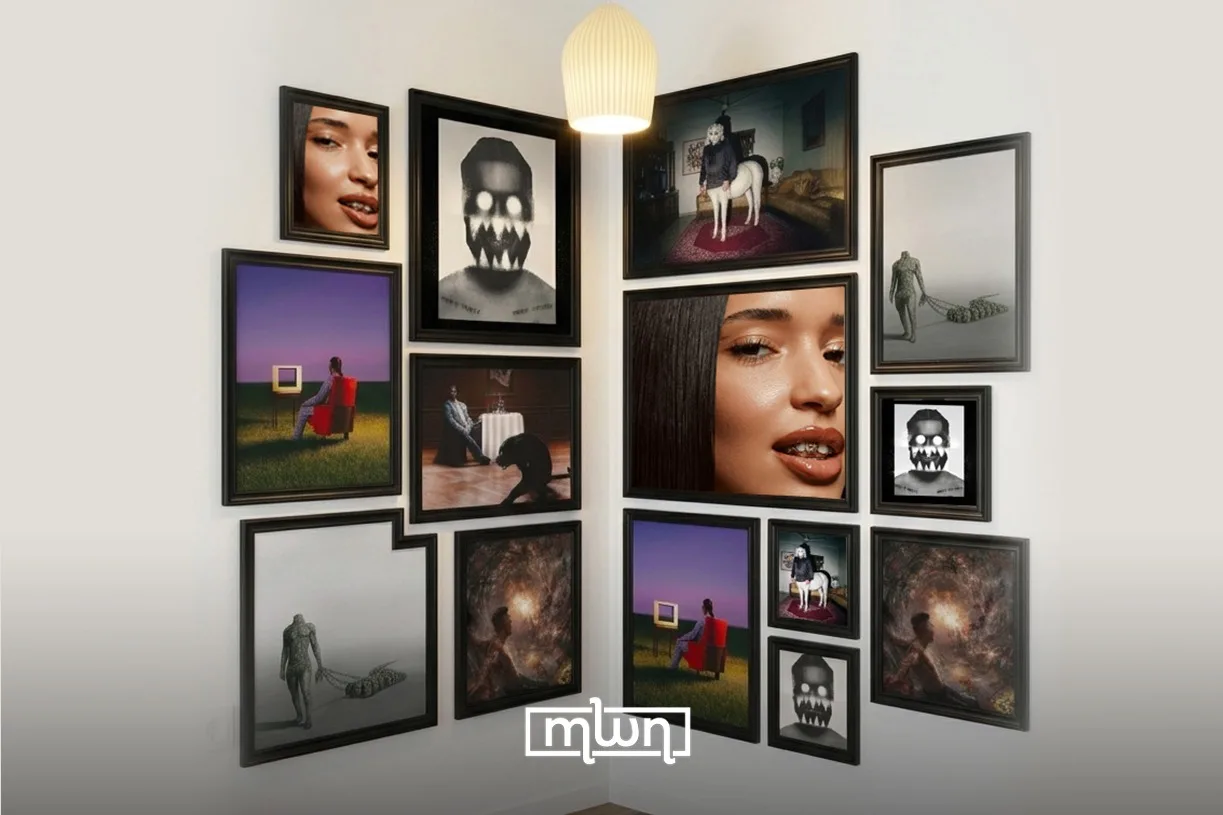
Fez — Moroccan music has had a loud, confident first half of 2026, with rap once again leading the conversation and several major projects turning streaming platforms into a battleground for sound, personality, and fan loyalty.
This is not an official ranking. It is a midyear read of the albums that have shaped the Moroccan music conversation so far, based on release impact, replay value, public visibility, and the way each project captures where Moroccan music is moving in 2026.
The year has already given fans major returns from ElGrandeToto, Dizzy DROS, Stormy, Inkonnu, and Snor, while Moroccan diaspora artist Dina Ayada has pushed a different kind of Moroccan presence into the international rap and R&B space.
ElGrandeToto’s ‘SALGOAT Vol. 2’
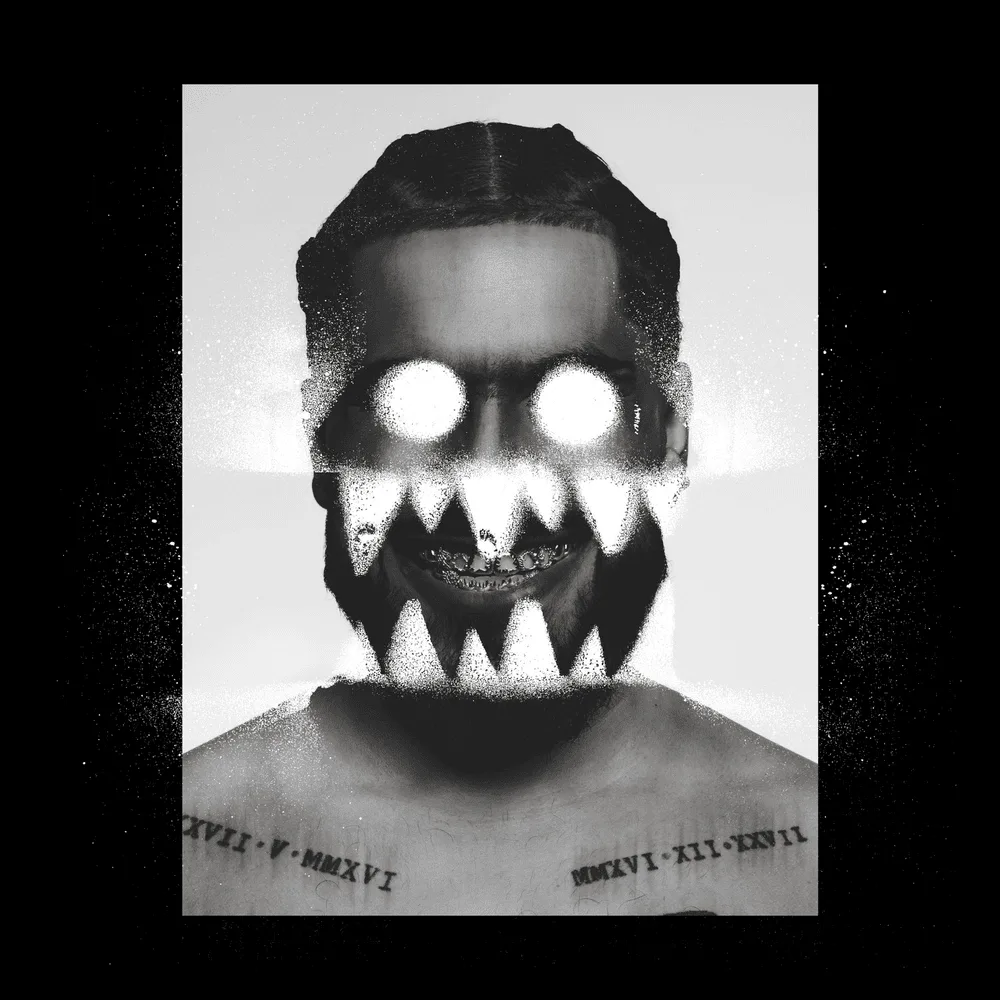
ElGrandeToto’s “SALGOAT Vol. 2” feels like the obvious heavyweight of the year so far. The album arrived on June 4 with 17 tracks, while its extended edition followed on June 26 with 27 tracks and a runtime of 1 hour and 20 minutes.
The extended edition also widened the project’s international reach with collaborations involving GIMS, Lola Indigo, Charlotte Cardin, and Sofiane Pamart.
What makes “SALGOAT Vol. 2” important is not only its numbers or guest list. It is the feeling that Toto still knows how to make Moroccan rap sound massive without losing the rough edges that made him central to the scene in the first place.
The album is big, polished, and built for dominance, but still carries the restless energy of an artist who knows the crown is never fully safe.
Stormy’s ‘DESPERADO’

Stormy’s “DESPERADO” is one of the cleanest Moroccan rap releases of the year. The album came out on May 22 and runs 15 tracks.
After “ICEBERG,” Stormy had pressure to prove that his rise was not a single-era moment. “DESPERADO” answers that with confidence. It is less about screaming for attention and more about sharpening his world: melodic hooks, dark textures, stylish writing, and a sense of motion that fits the way young Moroccan listeners consume music now.
The album also benefits from Stormy’s ability to sound local and global at the same time. He does not need to overexplain Morocco in the music. The references, flows, and emotional temperature are already enough.
Dizzy DROS’ ‘AFLAM’

Dizzy DROS’ “AFLAM” matters because of what it represents. Released on May 22, the album has 21 songs and runs for more than an hour.
For Moroccan rap fans, Dizzy is not just another name. He is part of the architecture of the scene. His return with a full-length project carries the weight of history, especially for listeners who grew up with his older work and wanted to hear how he would sound in the current rap climate.
“AFLAM” is not a small comeback. It is a long-form statement. The project gives him space to move between street energy, cinematic mood, and veteran presence. Its title, meaning “films,” fits the way the album feels: scenes, voices, tension, memory, and performance.
Inkonnu’s ‘SPLIT’
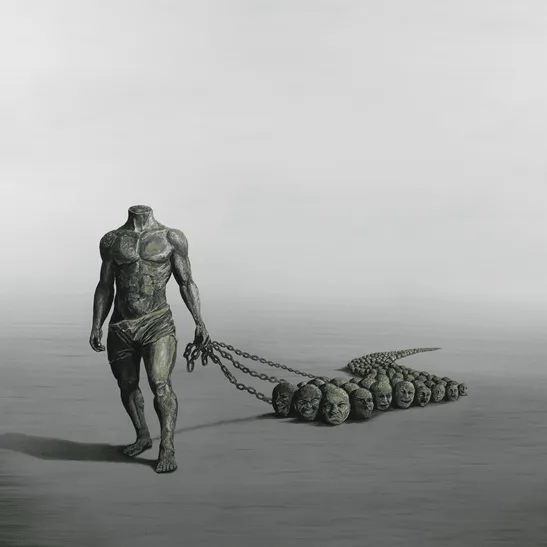
Inkonnu’s “SPLIT” may be the most conceptually interesting Moroccan rap album of the year so far. Released on March 27, the project has 17 tracks and features collaborations with Draganov, Marwan Moussa, Shinigami, Zamdane, and Manal.
Inkonnu held a listening party at Casablanca’s Complexe Mohammed V, which drew more than 8,000 fans. That detail matters because it shows the album was not just a digital release. It became a physical moment for Moroccan rap culture.
“SPLIT” is built around internal conflict, multiple personas, and creative evolution. Its production moves through several directions, from rap to pop and broader rhythmic influences. That ambition is what makes it stand out, even if it is not the easiest album on this list.
Some fans wanted the older Inkonnu back. Others praised the maturity. That divide is exactly what makes “SPLIT” worth discussing. It sounds like an artist trying to escape the version of himself people already understand.
Snor’s
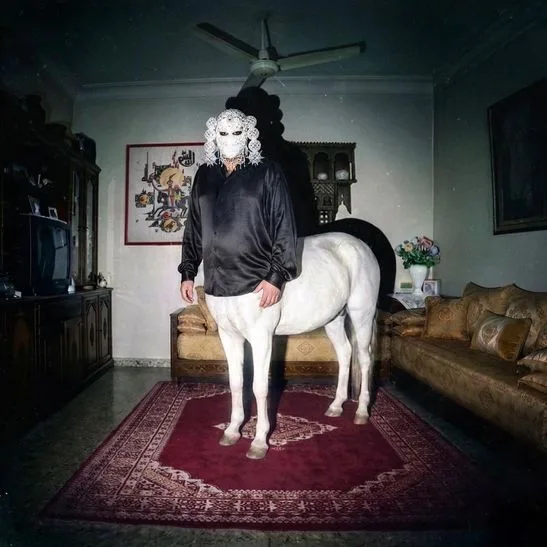
Snor’s “Miracle” deserves a place in the album conversation because it gives his audience a full project rather than just another wave of singles.
The album carries the feeling of an artist trying to gather his different lanes into one body of work. Snor has always had melodic instincts, and “Miracle” leans into that strength without fully abandoning the rap foundation that brought him his following.
Tracks from the project have also remained visible across music streaming platforms, including “Hala,” “Madabya,” “Semmha,” “Maryjane,” “Storm,” and “Dix Ans.”
“Miracle” is not just important because it exists as an album. It matters because it gives Snor a stronger catalog anchor in a Moroccan scene where many artists still move through singles, clips, and short-term hype.
Bo9al’s ‘Tornado’

Bo9al’s “Tornado” is one of the year’s hardest street-rap releases, bringing direct energy and another full-length entry to Morocco’s packed 2026 hip-hop scene.
The project adds another street-facing rap release to a year already full of heavy names. Songs such as “Éphémère,” “La Fin,” “Combattant,” “Action,” and “Soprano” show the album’s direct, combative energy.
“Tornado” may not have the same mainstream weight as Toto’s “SALGOAT Vol. 2” or the comeback narrative of “AFLAM,” but it helps show how crowded and active Moroccan rap has become in 2026.
Bo9al’s presence on this list also matters because Moroccan rap is no longer only about the biggest three or four names. The scene now has enough depth for different tiers of artists to release complete projects and still find an audience.
Dina Ayada’s ‘IDENTITY’

Dina Ayada’s “IDENTITY” is not a Morocco-based album in the same way as the others, but it deserves a place in the conversation because it shows how Moroccan identity is also moving through the diaspora.
The Belgian-raised Moroccan artist released her debut album “IDENTITY” on January 16. Executive produced by Gunna, who also appears on “No Rush,” the album turned out to be a personal and globally resonant project.
The album sits closer to international rap and R&B than Morocco’s local rap scene, but that is exactly why it matters. Ayada represents another path: Moroccan background translated through global production, English-language performance, and a sound aimed beyond one national market.
In a year dominated by Moroccan rap’s homegrown heavyweights, “IDENTITY” adds a useful reminder that Moroccan music is not only happening inside Morocco. It is also being carried by artists shaped by migration, mixed scenes, and global ambition.
A year led by rap but not limited to it
The first half of 2026 confirms what has been obvious for years: Moroccan rap is still the country’s most powerful youth music engine. Apple Music’s Morocco album chart currently reflects that dominance, with projects such as “SALGOAT Vol. 2 – Extension,” “DESPERADO,” and “AFLAM” sitting among the top albums in the country.
But the real story is not only that rappers are winning. It is how different their wins sound.
ElGrandeToto is playing at superstar scale. Stormy is building style and atmosphere. Dizzy DROS is returning with veteran weight. Inkonnu is fighting with his own artistic identity. Dina Ayada is opening a diaspora-facing lane.
Together, these albums show a Moroccan scene that is no longer asking for attention. It already has it. The stronger question now is which artists can turn that attention into lasting bodies of work, and 2026 has already given listeners several answers worth replaying.