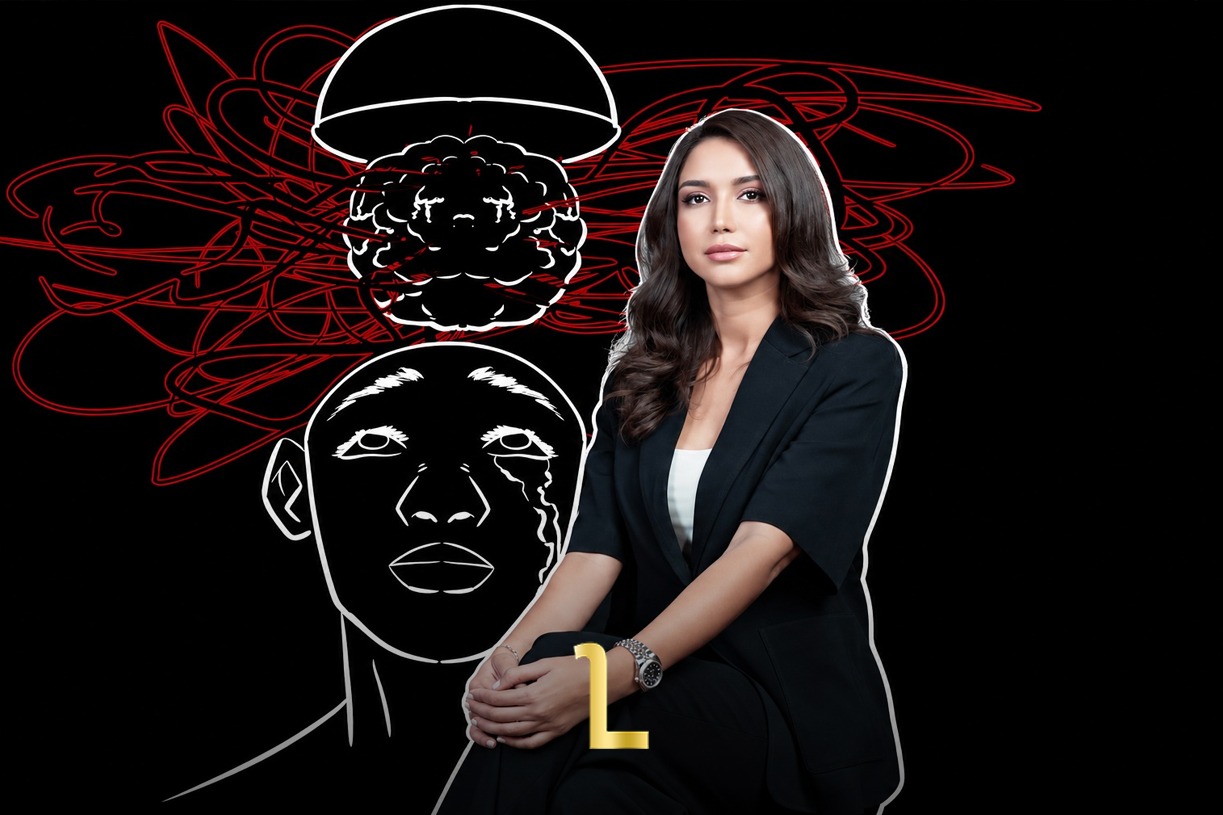
Fez — How much suffering is enough to justify seeing a psychologist? For many people in Morocco, seeking mental health support comes with an uncomfortable question about whether their problems are serious enough to deserve professional attention.
Some fear being judged by their families. Others convince themselves that their difficulties are insignificant compared to what other people experience. Many continue struggling privately, waiting for their emotional distress to become unbearable before considering therapy.
In an interview with Lifestyle Magazine, Soukaina Jettou discusses the stigma surrounding mental health in Morocco, the fear of psychiatric diagnoses, and why psychological differences do not necessarily need to be treated as weaknesses.
“We often tend to compare our suffering to that of others, as though we had to reach a certain level of distress to be entitled to ask for help,” Jettou told Lifestyle Magazine. “Some people minimize their difficulties, think they should be able to overcome them on their own, or wait until the situation becomes truly unbearable before seeking help.”
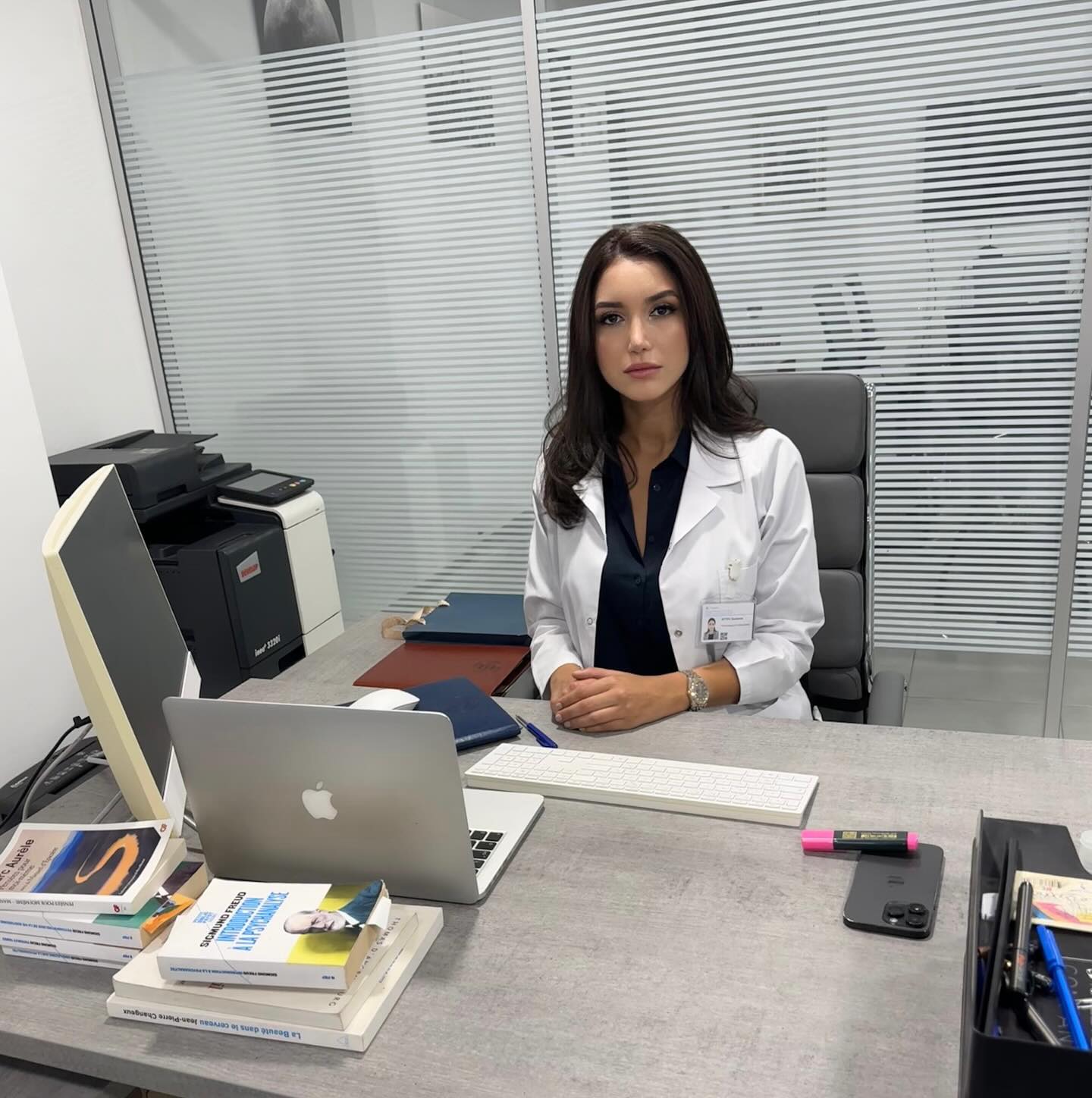
For Jettou, this way of thinking overlooks one of the most important purposes of psychological care. Therapy can help people understand themselves before their difficulties develop into more serious problems.
“You don’t have to be in a crisis to begin psychological support,” she explained. “When certain thoughts become intrusive, when relationships become complicated, or when someone experiences persistent emotional distress, that can already be a reason to seek help.”
The fear of being judged in Morocco
Mental health continues to carry considerable social stigma in Morocco, particularly when psychological difficulties become associated with weakness, instability, or serious psychiatric conditions.
Jettou believes these perceptions can discourage people from asking for help, especially when family expectations and social judgment influence personal decisions.
“In Morocco, despite changing attitudes, mental health is still sometimes surrounded by prejudice,” she said.
“Seeing a psychologist can still be interpreted as a sign of weakness or associated with the idea of a serious illness. The opinions of family members and those around us can become an obstacle, particularly when someone fears being judged or misunderstood.”
She nevertheless sees reasons for optimism, particularly among younger Moroccans who have become increasingly comfortable discussing their emotional experiences.
“I think younger generations are helping change these perceptions. Mental health is being discussed more openly, and people are gradually becoming more willing to speak about it.”
But greater visibility does not automatically eliminate the fear of seeking professional support.
“Normalizing psychological consultations also means allowing everyone to ask for help without having to justify themselves,” Jettou explained.
The conversation comes as Morocco works to strengthen its mental health services.
According to the High Commission for Planning’s (HCP) 2026 social indicators report, the country recorded 611 psychiatrists across the public and private sectors in 2024, equivalent to 1.7 psychiatrists per 100,000 inhabitants.

The same report identifies 86 child psychiatrists, 1,700 public-sector psychiatric nurses, and 505 social workers involved in mental health services.
In April 2025, the Ministry of Health and Social Protection acknowledged shortages and uneven geographic distribution of specialized mental health professionals while announcing work on a national mental health strategy.
The ministry also outlined plans to expand outpatient psychiatric consultations, strengthen psychosocial rehabilitation, and integrate mental health services into public hospitals.
These figures reflect the healthcare system’s capacity, but they do not measure how many Moroccans avoid treatment because of stigma or fear of judgment.
You do not need a diagnosis to seek help
Another misconception concerns the distinction between psychologists and psychiatrists.
For people unfamiliar with mental healthcare, the two professions can appear interchangeable, even though their responsibilities differ.
“A psychiatrist is a doctor specializing in mental health who can establish a medical diagnosis and prescribe medication when indicated,” Jettou explained. “A clinical psychologist, meanwhile, supports people in understanding their difficulties, emotional experiences, and psychological functioning.”
Depending on their training and professional framework, clinical psychologists may also carry out psychological assessments.
More importantly, Jettou emphasizes that seeking psychological support does not necessarily mean someone has a psychiatric disorder.
“It is entirely possible to see a psychologist without having a diagnosis,” she said. “Some people come because they are going through a difficult period, experiencing relationship problems, or want to understand certain mechanisms that keep repeating themselves in their lives.”
Others simply want to better understand their emotions, behavior, and relationships.
The doctor said, “There is no need to wait until a difficulty becomes a disorder before trying to understand it.”
This distinction also matters when people encounter psychological terminology online.
Terms associated with personality disorders, obsessive tendencies, anxiety, and other psychological characteristics have become part of everyday conversations, particularly on social media.

However, identifying with a description or receiving a particular result on an online personality test does not establish a clinical diagnosis.
“A personality trait corresponds to a relatively stable tendency in the way we think, feel, or act,” Jettou said.
“Being reserved, sensitive, or perfectionistic, for example, does not in itself constitute a psychological disorder.”
She explained that clinical assessment considers several factors, including a person’s history, the duration and intensity of their difficulties, their circumstances, and the impact on their personal and professional life.
“A disorder cannot be identified from an isolated behavior or a simple online test,” she stressed.
“The point is not to put a label on every individual characteristic, but to understand when it becomes a source of suffering or difficulty.”
Can psychological differences become personal strengths?
For some people, psychological characteristics that once made their lives difficult can become easier to understand and manage as they grow older.
Someone who experiences emotions intensely might develop an increased awareness of other people’s feelings. A person who thinks differently from those around them might approach creative or intellectual problems from an unusual perspective.
Jettou believes such differences can sometimes become valuable personal resources, although she cautions against automatically describing every psychological difficulty as a hidden advantage.
“Certain characteristics can indeed represent resources, depending on the person and the context,” she explained.
“Greater sensitivity can, for example, encourage particular attention to emotions and the nuances of relationships. An atypical way of thinking can also make it possible to approach certain situations from a different angle.”
However, she emphasized that these characteristics can also create difficulties.
“Sensitivity that encourages empathy can also make certain situations harder to experience. In the same way, a tendency to think a great deal can be useful, but it can become exhausting when it turns into rumination.”
For Jettou, the aim is neither to romanticize psychological differences nor to treat every unusual personality characteristic as a medical problem.
“The objective is neither to pathologize every difference nor to idealize it, but to understand how it influences each person’s experiences and everyday life.”
This approach creates space for a more nuanced discussion of psychological diversity, one that recognizes individual strengths without overlooking the difficulties that some people experience.
Will therapy change who I am?
Beyond social stigma and the fear of diagnosis, some people hesitate to seek treatment because they worry about losing aspects of their personality.
They may fear becoming less creative, less emotionally sensitive, or simply different from the person they have always known.
Jettou acknowledges that these concerns can make beginning therapy particularly intimidating.
“Some people are afraid of losing part of their identity, changing profoundly, or no longer recognizing themselves,” she said.
However, she argues that psychological support should not aim to erase someone’s identity.
“The purpose of psychological support is not to transform someone into another person,” she explained.
“It is rather to help them better understand how they function, identify what makes them suffer, and develop new ways of dealing with difficulties.”
Therapy may involve changing certain reactions, relationship patterns, or perceptions of oneself, but Jettou distinguishes these changes from losing one’s personality.
She also stresses the importance of discussing medication carefully with a psychiatrist when treatment is considered necessary.
“Medication, when necessary, must be discussed and adjusted with the psychiatrist, taking into account the expected benefits and possible side effects,” the doctor explained.
Patients who experience troubling side effects should discuss them with their prescriber rather than changing or stopping treatment on their own.
“The goal is to reduce suffering and regain greater freedom in one’s life, not to become someone else,” Jettou said.
Her comments also challenge the assumption that personal growth must always begin with a serious psychological crisis.
Understanding one’s personality, learning to manage difficult emotions, and recognizing repetitive behavioral patterns can all form part of psychological support, even without a formal diagnosis.
Ultimately, Jettou believes the central question should not concern whether someone’s suffering is sufficiently severe to deserve attention.
“Perhaps the question is not whether we are suffering enough to seek help, but rather recognizing the place that suffering occupies in our lives,” she concluded. “There is no need to wait until we have exhausted all our resources before asking for help, nor to justify our emotional distress by comparing it to that of others.”
For Moroccans who continue questioning whether their difficulties are serious enough, her message is simple. Seeking psychological support does not require reaching a breaking point.
Sometimes, wanting to understand yourself is reason enough.