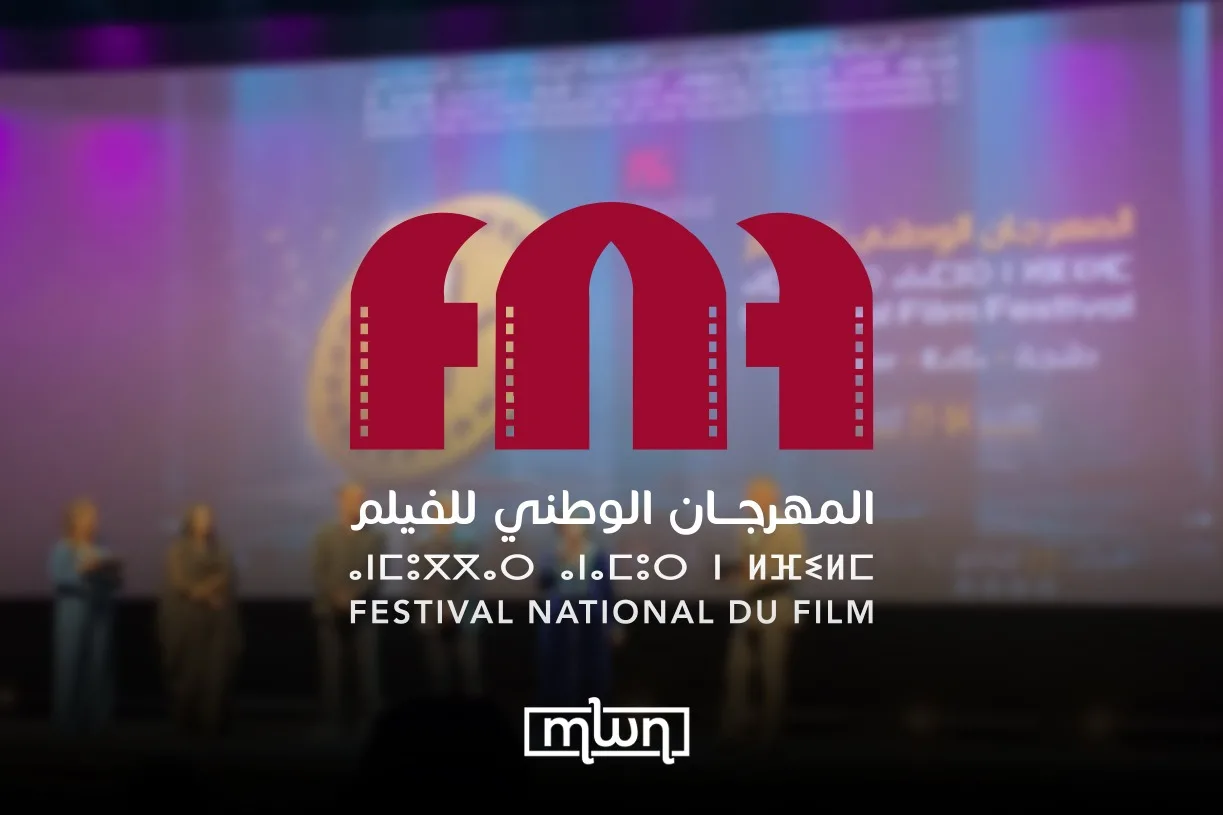
Marrakech – The 25th edition of the Tangier National Film Festival (FNF), held from October 17 to 25, drew significant attention from filmmakers, industry professionals, and cinema enthusiasts from across Morocco, particularly the city of Tangier.
According to the Moroccan Cinematographic Center (CCM), nearly 2,500 accreditations were issued, and a total of 6,500 spectators attended the screenings throughout the festival.
The event also attracted extensive media coverage, with 175 accredited journalists and technicians representing major national media outlets.
A highlight of this year’s festival was a dedicated space for new cinematic writing and innovative technologies, where young specialists in special effects and VFX showcased their skills.
The twelve pavilions allowed these emerging talents to present their work to professionals — a program attended by the Minister of Youth, Culture, and Communication.
The festival also welcomed several international cinema figures, including directors of film institutions from Senegal, Benin, Cameroon, and Burkina Faso, strengthening cross-cultural dialogue in African cinema.
This edition featured four competitive sections: the Long Fiction Feature Competition (15 films), the Long Documentary Feature Competition (15 films), the Short Fiction and Documentary Competition (15 films), and the Moroccan Film Schools and Institutes Competition (13 films).
Films were selected by independent committees according to festival regulations. In addition, the “Panorama” section screened 14 films not competing officially, including both short and feature-length documentaries and fiction films.
In a unique outreach initiative, screenings were extended to cultural institutions in Tangier, including the Hasnouna Youth Center, as well as the Civil Prison of Tangier and the Assilah local prison, giving inmates the chance to experience cinema firsthand.
The festival also paid tribute to two iconic figures of Moroccan cinema. Director Ahmed Maanouni was honored at the opening ceremony with a special screening of his classic film Al Hal (1982), while renowned actress Fatima Atif received a heartfelt tribute at the closing ceremony, celebrating her contributions to Moroccan film.
Professionally, the FNF offered masterclasses, roundtables, and discussions covering animation cinema, intergenerational dialogue among Moroccan filmmakers, international funding opportunities, co-production prospects, distribution challenges, and project pitching workshops.
The fifth edition of the festival’s pitch competition featured nine selected projects in development or post-production, guided by both Moroccan and international experts.