

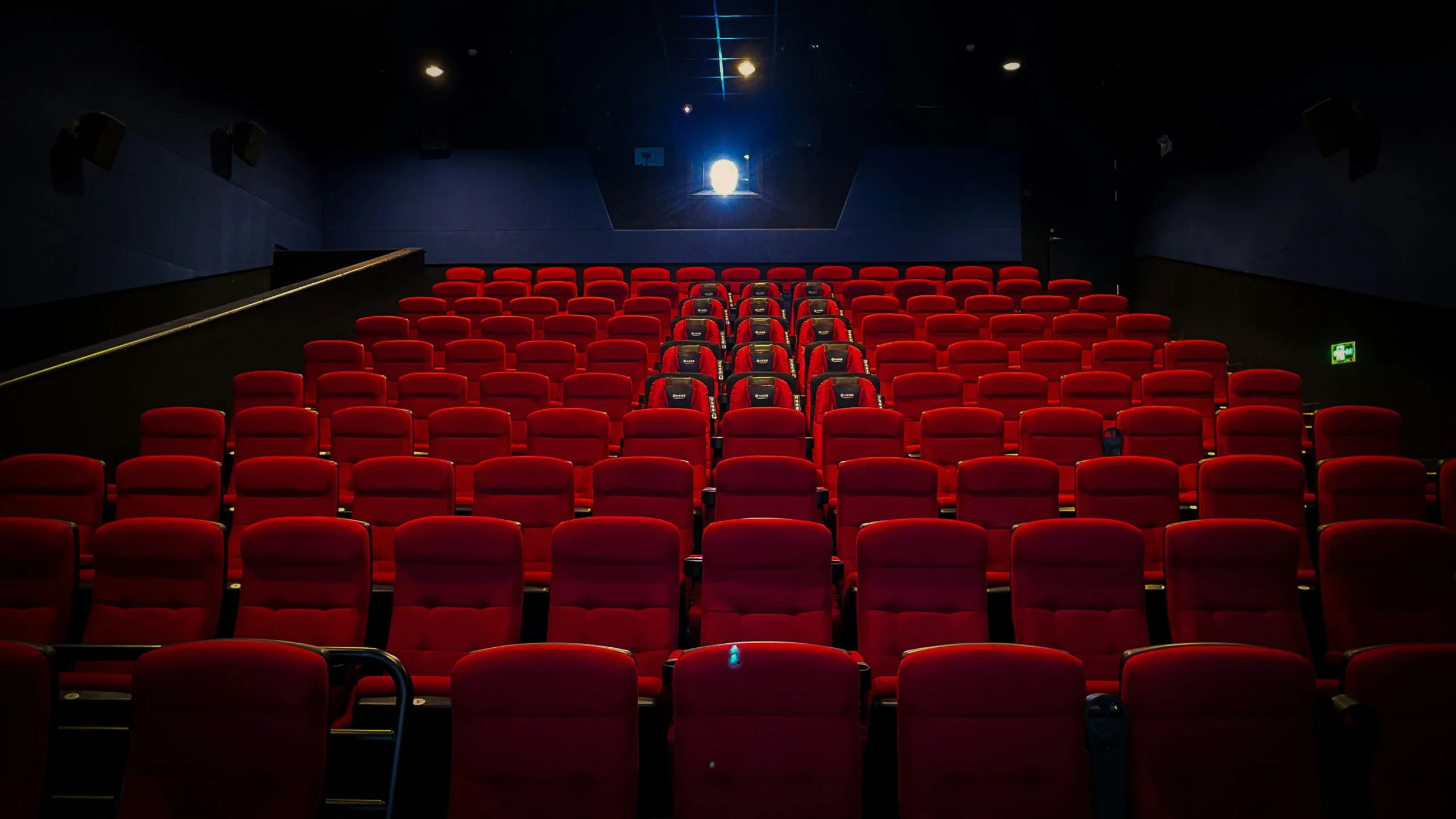
Fez — Casablanca marked the inauguration of the “Ciné-club Bernoussi” on Sunday evening at the administrative complex of Sidi Bernoussi, opening the initiative with a screening of the Moroccan film “Bamou,” directed by Driss Lamrini.
The event was organized by the Association Al Karama for Theatre and Cinema, under the auspices of the Centre Cinématographique Marocain (Moroccan Cinema Center,) and in partnership with the Sidi Bernoussi district.
The timing of the launch coincided with the commemoration of the anniversary of the presentation of Morocco’s Independence Manifesto, anchoring the cine-club’s debut in a moment of national historical significance.
Designed as a permanent cultural space, Ciné-club Bernoussi aims to establish a regular cinematic program focused on films with strong educational and cultural value.
The initiative also plans to integrate training workshops related to cinema, contributing to local cultural animation while reinforcing visual literacy, particularly among younger audiences.
By combining screenings with educational activities, the project positions cinema as both an artistic medium and a tool for learning and civic awareness.
The choice of “Bamou” for the opening screening aligns with this orientation. The film explores a decisive period in Morocco’s modern history linked to the national movement for independence, using cinema as a means to revisit collective memory and key moments of political and social transformation. Through its narrative and imagery, the work highlights the role of historical struggle in shaping national identity.
The screening took place in the presence of the director and several cast members, including Badiaa Rayane, Salah Eddine Benmoussa, and Mohamed Miftah.
Their attendance contributed to a moment of direct engagement between the public and Moroccan cinema, reinforcing the cine-club’s role as a meeting point between creators and audiences.
With its launch in Sidi Bernoussi, Ciné-club Bernoussi adds a new layer to Casablanca’s cultural landscape. Beyond a single event, the initiative signals an effort to decentralize cinematic access, bring film culture closer to neighborhoods, and embed the moving image within ongoing conversations about history, education, and community life.