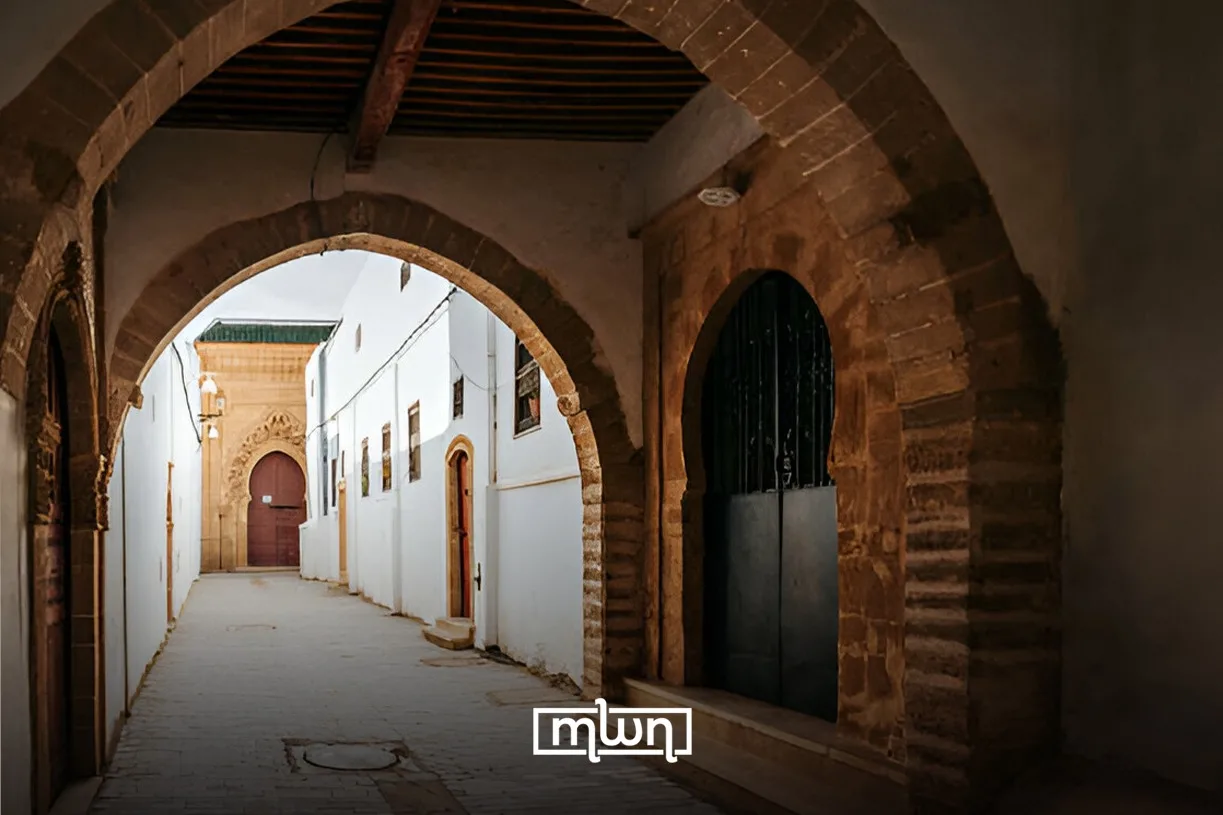
Rabat – In the 17th century, Salé wasn’t a sleepy suburb, it was the formidable heart of an actual, organized pirate republic, a Corsair State.
Within this state operated the infamous Salé Rovers. Far more than a loose band of rogue ships, they formed an organized entity with established leadership that negotiated with major European powers.
Their primary source of revenue? A highly effective, if not terrifying, business model: capturing European vessels and ransoming the crews and cargo.
It was, in its own way, a highly diversified and profitable economy.
The reach of this republic extended far beyond the Strait of Gibraltar.
In 1631, the notorious corsairs of Salé executed one of the most audacious raids in maritime history, the Sack of Baltimore, according to History Ireland,
They sailed all the way to the Irish village and took over 100 people captive, transporting them back to North Africa.
As the Republic of Salé flourished, major European maritime powers such as England and Spain were compelled to adjust to this new reality.
They entered treaties, paid heavy ransoms, and approached Atlantic routes near Salé with heightened caution.
The region had effectively turned into a high-risk zone, a dangerous passage that European merchant and naval ships had to navigate with constant vigilance.
So the next time Salé is brushed off as merely Rabat’s quieter twin, remember its bold and unconventional past.
There was a time when hearing “we’re sailing past Salé” was enough to strike fear into any European sailor, a reflection of the power and reputation of its pirate republic.