Rabat – “Eat Your Skincare” is the wellness-meets-beauty trend that reframes food as the first layer of your routine.
Instead of relying only on serums, masks, and treatments, it focuses on nutrient-rich eating habits that support skin health from within.
It’s less about miracle fixes and more about consistency, balance, and long-term glow.
At its core, the trend is simple: what you eat shows up on your skin.
For years, skincare has been product-heavy: acids, retinoids, vitamin C serums, and elaborate routines built in steps.
Now, the conversation is expanding inward.
Gen Z and wellness culture have shifted the focus toward “inside-out beauty,” where diet, gut health, and lifestyle are seen as part of the same system.
It’s not about replacing skincare. It’s about supporting it.
The ingredients behind the glow
Certain foods have become unofficial icons of the trend:
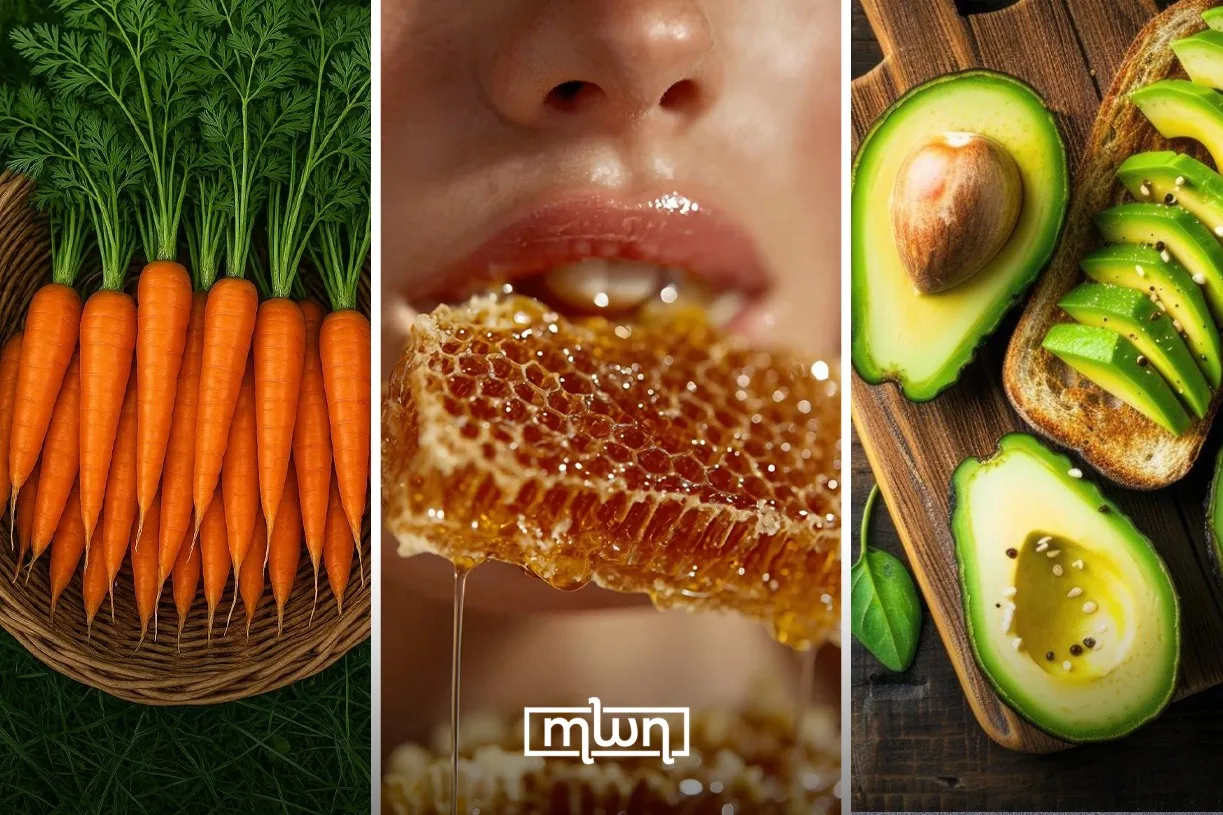
Carrots are often called “natural retinol support” thanks to beta-carotene, a nutrient linked to skin renewal and brightness.
Berries like blueberries and strawberries are packed with antioxidants that help protect skin from environmental stressors.
Avocados bring healthy fats that support a strong, hydrated skin barrier, the difference between dull and supple.
Fatty fish such as salmon and sardines provide omega-3s, which are associated with calmer, more balanced-looking skin.
Fermented foods like yogurt and kimchi have entered the conversation through the gut-skin connection, where digestion is increasingly linked to skin clarity.
Even matcha has become a staple, praised for its antioxidant content and steady energy release.
Why it’s trending now
The appeal isn’t just nutritional, it’s aesthetic and cultural.
“Eat Your Skincare” fits into a broader shift toward wellness as identity. It mixes seamlessly with matcha routines, pilates culture, farmers market visuals, and minimal beauty aesthetics.
Food becomes content, and content becomes lifestyle.
It also reflects a desire for control in beauty routines: if skin is influenced by what you eat, then beauty feels more accessible, more everyday, and less dependent on expensive products.
The reality check
Dermatologists and nutrition experts generally agree on one point: diet can support skin health, but it cannot replace skincare essentials like sunscreen, or targeted treatments for conditions such as acne or hyperpigmentation.
In other words, food is a foundation, not a substitute.
The bigger shift
“Eat Your Skincare” isn’t really about carrots or smoothies. It’s about how beauty is being redefined.
Instead of treating skin as something to fix, the trend encourages maintaining it through daily habits: sleep, hydration, nutrition, and care routines that feel less like correction and more like maintenance.
Beauty is no longer just applied. It’s built.