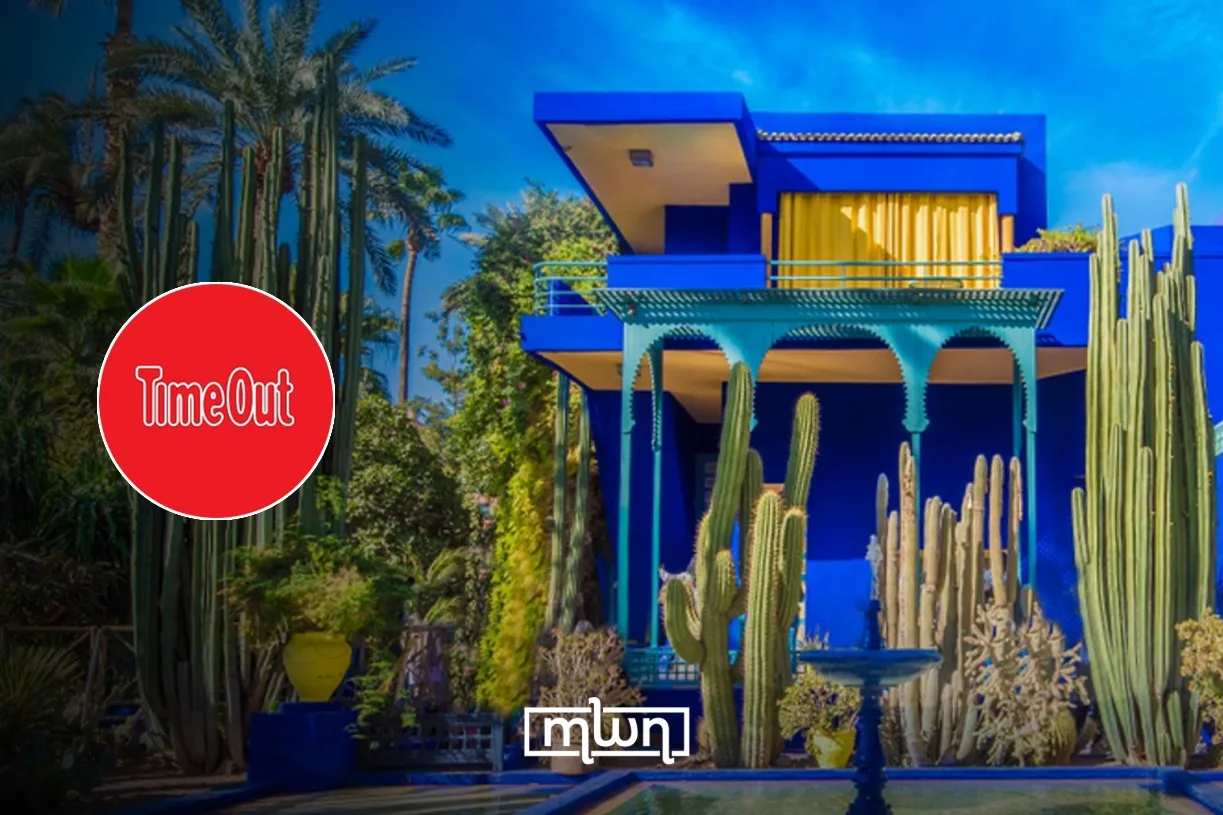
Casablanca – Marrakech has once again cemented its place on the global cultural map, ranking 12th in Time Out’s list of the world’s 20 best cities for art and culture in 2026.
The ranking drew on feedback from more than 24,000 residents across over 150 cities, alongside assessments from Time Out’s editors and cultural experts, evaluating destinations based on the quality, accessibility, and diversity of their cultural offerings.
For years, Marrakech has been more than just a tourist destination. It has evolved into a creative hub where tradition and contemporary expression coexist, attracting artists, designers, collectors, and cultural enthusiasts from across the globe.
This latest recognition further highlights the city’s growing influence as one of the region’s leading artistic and cultural capitals.
A rich cultural identity
The richness of Marrakech’s cultural scene extends far beyond a single discipline. Galleries, exhibitions, artist studios, cultural foundations, performance spaces, and design-focused riads all contribute to a creative ecosystem that continues to expand year after year.
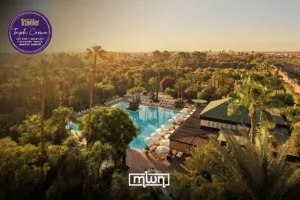
Among the highlights cited by Time Out is the annual 1-54 Contemporary African Art Fair, which has become one of the city’s flagship cultural events. Held at La Mamounia, the fair has grown into a major platform for contemporary African art, bringing together galleries, artists, collectors, and visitors from around the world.
Beyond galleries and museums, Marrakech’s cultural appeal also lives within its hospitality scene. Culture-focused riads including IZZA, El Fenn, Dar al Dall, and Dar des Arts regularly host exhibitions, talks, salons, and creative gatherings, extending the city’s artistic conversation beyond traditional venues.
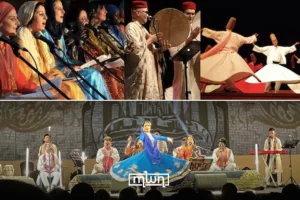
Music and performance also form an essential part of Marrakech’s cultural landscape. The city moves between intimate and experimental spaces, from ritual tea ceremonies hosted at 1112 Teahouse to traditional music sessions at the Musée de la Musique and more experimental jam sessions at Jajjah.
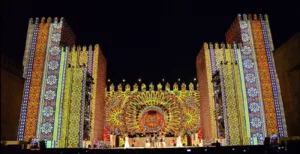
The scene expands further into larger cultural venues, where concerts and conferences take place at the iconic Musée Yves Saint Laurent Marrakech and the Meydene Theatre.
A living cultural pulse
Yet the soul of Marrakech cannot be confined to galleries, museums, and design-forward riads alone.
While the ranking largely highlighted the city’s contemporary cultural scene, some of its most powerful artistic and cultural expressions unfold in spaces that have existed for generations.
At Jemaa el-Fnaa, folklore is not preserved behind glass; it is lived. Storytellers, musicians, performers, and artisans continue to animate the square, making it one of the city’s most enduring symbols of cultural heritage and collective memory.
This latest recognition also adds to a growing list of international accolades for Marrakech. Last April, the city, alongside Fez, was included among the world’s top 100 walking cities in Guruwalk‘s 2026 ranking, further highlighting its appeal as a destination best experienced on foot, through its streets, landmarks, and everyday cultural encounters.
If anything, the ranking reflects what many visitors and residents already know: Marrakech is not simply a city to visit. It’s a city to experience, where art, design, heritage, and contemporary creativity continuously intersect, making every corner feel like part of an ongoing cultural story.