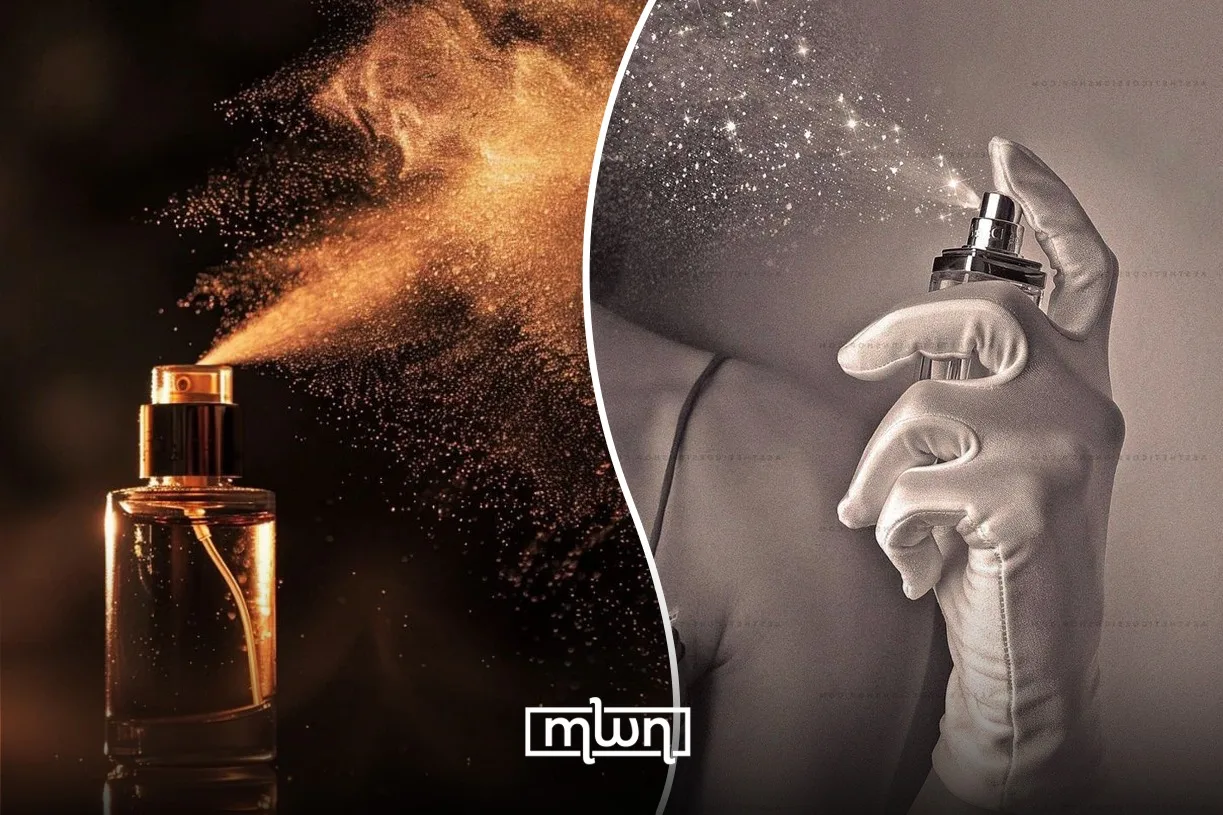
Arabic perfumery is rapidly emerging as a strong contender in the global fragrance industry, driven by exceptional performance and long-lasting formulations.
Built around distinctive notes such as oud, musk, and amber, these scents stand out for their originality and depth.
Their growing appeal is further strengthened by more accessible pricing compared to traditional luxury niche brands, positioning them as a compelling alternative in the international market.
The broader Middle East fragrance market is estimated at around $5.4 billion (MAD 50.5 billion) in 2024 and is projected to surpass $8 billion (MAD 75 billion) by 2030..
While this includes the entire perfume sector, it reflects the rapid global expansion and influence of Arabic fragrance houses.
A major factor behind the rising success of Arab fragrances is the rapid expansion of “dupe” production, creating scents inspired by high-end niche perfumes but offered at far more accessible prices.
This strategy has helped brands reach a wider global audience while maintaining strong performance and recognizable scent profiles.
For example, “Angham” by Maison Lattafa is widely regarded as being inspired by Burberry Goddess, reflecting how closely these interpretations mirror luxury compositions while remaining significantly more affordable.
On TikTok, content creator “your tiktok bestie” mentioned “Lovely Cherry,” describing it as a more affordable alternative to Tom Ford’s “Lost Cherry,” stating that the designer fragrance “costs an arm and a leg” and does not last as long as Lovely Cherry.
Another content creator, “Amberlawes”, also expressed her preference for Arabic perfumes, stating that she loves them because they “last for longer and they smell the best,” reinforcing the perception that performance and longevity is one of their greatest and strongest advantages.
This trend helped boost visibility for Arabic fragrance houses such as “Lattafa Perfumes,” “Ard Al Zaafaran,” “Al Haramain,” “Rasasi,” and “Swiss Arabian,” alongside other traditional names such as “Al Rehab,” which are known for being tight budget friendly and high-performative.
Lattafa in particular has become one of the most known housings in the fragrance world, with fragrances like “Khamrah,” “Asad,” “Angham” and “Yara candy” gaining viral attention for their resemblance to expensive niche and designer perfumes while still remaining widely accessible in price.
Many European niche perfume houses remain largely focused on heritage, craftsmanship, and storytelling, positioning their fragrances as luxury objects tied to identity and legacy rather than solely the scent itself.
This emphasis on brand narrative, artisanal image, and exclusivity plays a major role in justifying their high price points, where the “experience” and prestige often weigh as heavily as the fragrance composition,with prices often ranging from $200 (MAD 2000) to $500+ (MAD 5000+) per bottle.
However, the rise of Arabic alternatives is challenging the European fragrance world by shifting consumer focus towards performance and longevity, rather than brand name alone.
While luxury fragrances still dominate in terms of image and branding, Arabic perfumery is increasingly being viewed as a serious competitor in the global niche space, especially among younger consumers influenced by TikTok reviews and online fragrance communities.