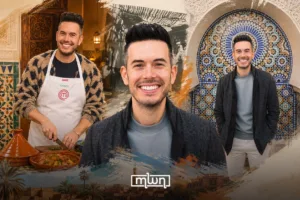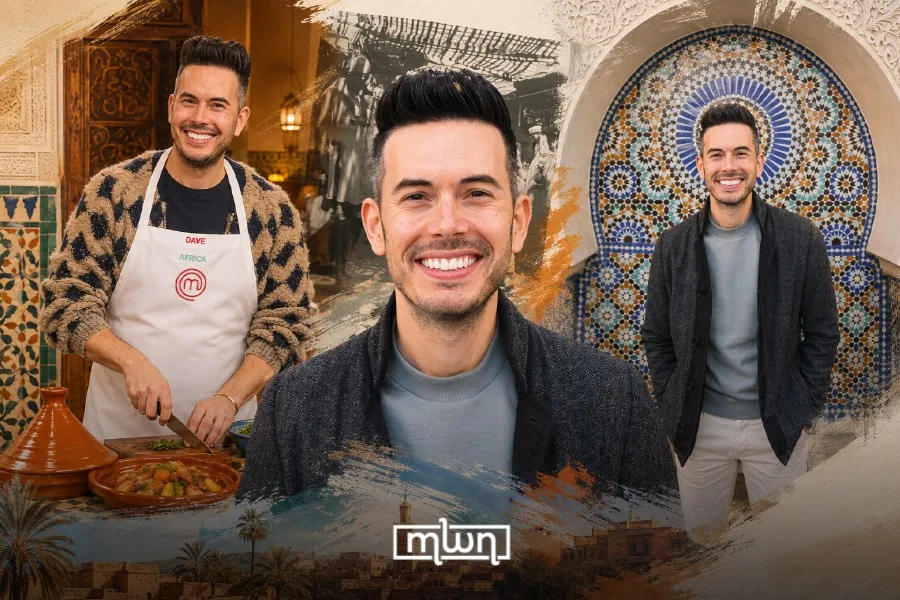
Fez — For Dave Patera, Moroccan cuisine is not a trend, a television angle, or a passing fascination. It is a way of returning to family, memory, and a Maghrebi world he first encountered through his grandmother’s stories, objects, and table.
Patera, the Chicago-based food creator behind “DinnersWithDave,” has built a growing audience by cooking his way across the Maghreb. His Instagram profile describes his work as “Cooking My Way Across The Maghreb.”
This year, his culinary journey reached a new public milestone through “MasterChef: Global Gauntlet,” the 16th season of the American cooking competition. Patera was a contestant representing North African heritage, with public contestant profiles listing him as a food content creator from Chicago competing with Algeria and Morocco as his heritage references.
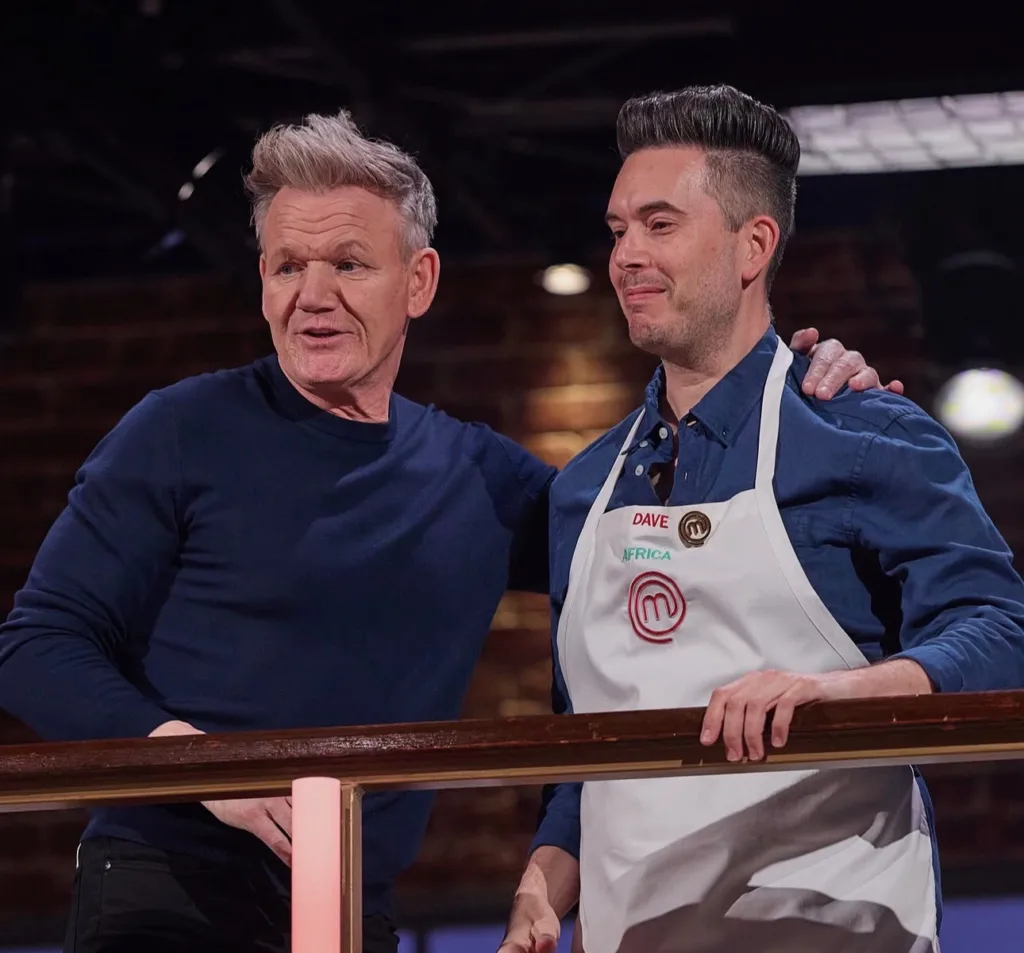
But Patera told MWN Lifestyle magazine that “MasterChef” is only one part of a much longer story.
“I’ve been drawn to Maghrebi culture for as long as I can remember,” he said. “I was very close with my grandmother who was from Tlemcen, Algeria.”
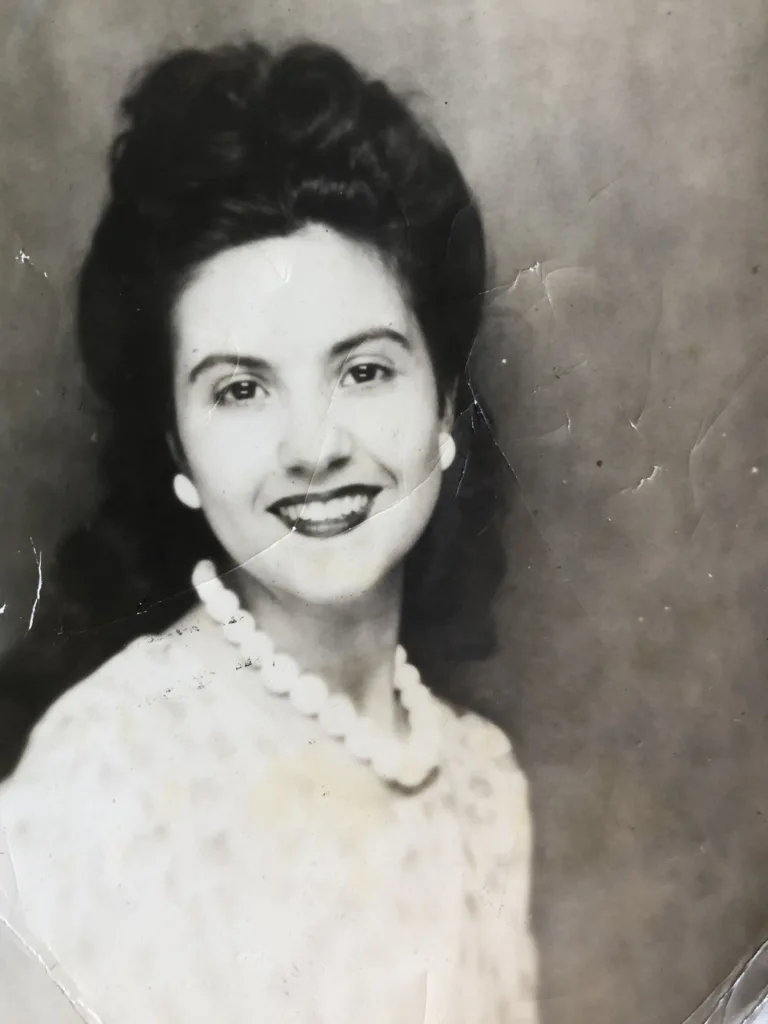
His grandmother, born in 1919, moved to the United States at 26 after marrying his grandfather, an Italian-American soldier stationed in North Africa during the Second World War. Through her, Patera inherited not only family memories, but also a sensory map of North Africa.
He remembers “looking at old silver teapots from Fez,” drinking Orangina, and eating “La Vache Qui Rit” at a time when most Americans around him did not know anything about those products.
“In the late 80’s and early 90’s the majority of Americans had no idea what these products were,” he recalled, “but I knew and loved them because my grandmother told me they reminded her of home.”
A grandmother’s house as the first Maghrebi map
Patera’s connection to the Maghreb began before he had the language to fully describe it. It was shaped by objects, flavors, and the quiet power of a grandmother who carried another world into an American household.
He frequently asked her to tell him stories about life in Tlemcen. Yet no matter how much she shared, he said, he “always longed to know more.”
That longing did not end with her passing away. It intensified.
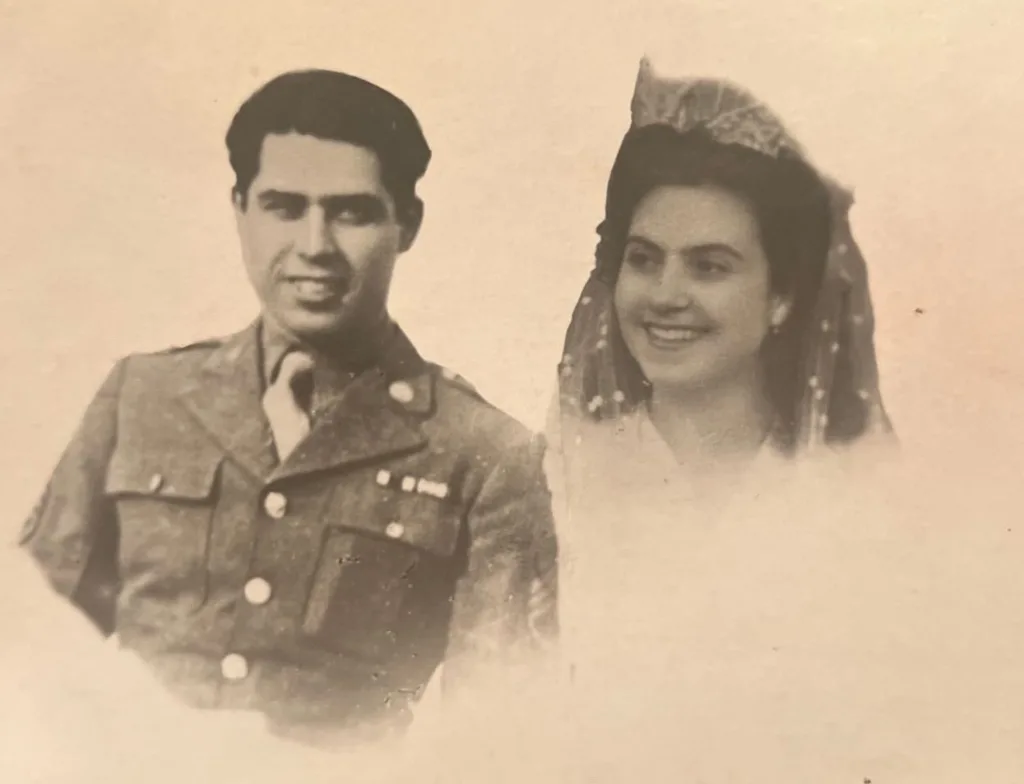
“After my grandmother passed away, I started to research my family history piecing together birth certificates, marriage certificates, newspaper articles — anything I could find,” Patera said. “It took me years but I’ve been able to trace my family roots back centuries.”
The search led him to a deeper understanding of his family’s place in the Maghreb. He discovered that he came from “a lineage of influential Maghrebi rabbis,” and even confirmed a family story he had once doubted.
“My distant cousin is actor and singer Patrick Bruel,” he said. “My grandmother had told me this but I never quite believed her.”
Over time, the scattered documents, memories, and family stories formed a clearer picture. Patera learned that his family is “a very old Tlemcani family,” with roots not only in Algeria but also in Tetouan, Morocco.
That discovery helps explain why his work feels more intimate than a standard food page. He is not simply recreating dishes. He is trying to cook toward ancestry.
“The culinary work I do on DinnersWithDave is deeply personal,” he said, “as it makes me feel connected not only to my grandmother, but to where my family comes from.”
An Italian-American home with Maghrebi roots
Patera’s family story is also deeply Italian-American. His grandfather’s family came from Calabria and Sicily, and Italian was spoken at home while they were growing up.
When Patera’s grandmother moved to the United States, she settled with his grandfather in Chicago’s “Little Italy” neighborhood. There, she gradually adapted to Italian-American life.
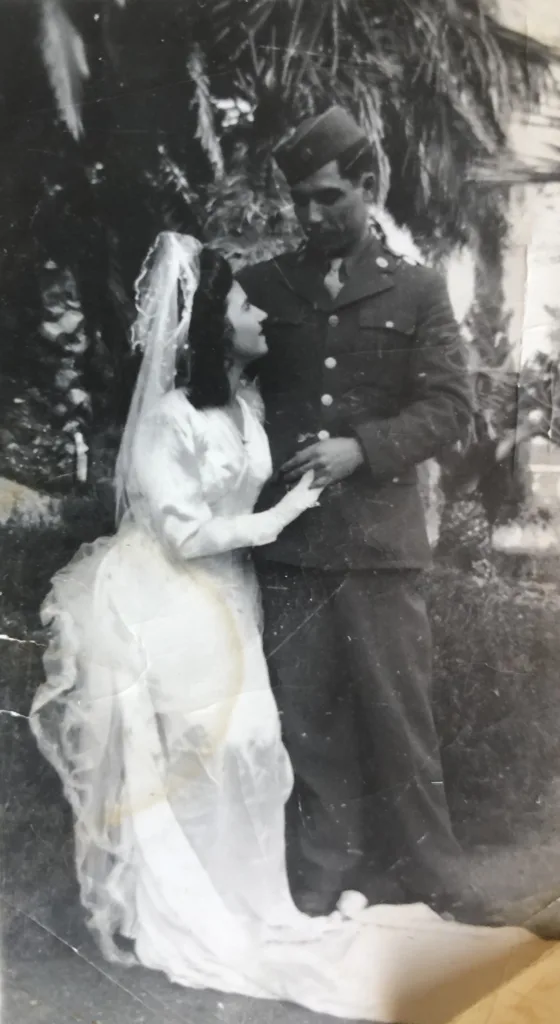
“She left many of her own traditions behind — from food to language to religion — and assimilated into life as an American-Italian,” Patera said.
She later learned to cook Italian-American dishes and even worked in an Italian deli, preparing meals for the local community. As a result, Patera said, much of his family grew up eating Italian food at her house, even as traces of the Maghreb remained present through memory, objects, and family stories.
“My first viral video ever was actually not a Moroccan recipe — it was an Italian recipe of my grandmother’s that I shared,” he said.
Beyond recipes, a lesson in hospitality
When asked what his grandmother passed down beyond recipes, Patera answered with striking simplicity: “A love for community, connection and people.”
He described her as “the warmest, most hospitable person,” someone deeply loved in her community and surrounded by friends. For him, that human warmth now shapes the way he understands Morocco.
“When I visit Morocco, I feel the warmth and open hearts of the people I meet,” he said. “I’ve been brought to tears with interactions I’ve had in Morocco as they so deeply remind me of my grandmother’s own generosity and kindness.”
The link between his grandmother and Morocco is not only genealogical. It is emotional and ethical. It is about a way of welcoming others, a way of moving through the world.
“I try to embody that same spirit in what I do everyday,” Patera said. “Not only in my work, but how I move through the world.”
That spirit is visible in the way he presents food online. His recipes are often framed as entries into memory, geography, family life, and regional history. His platforms speak to audiences who may be discovering Moroccan or Algerian food for the first time, as well as North Africans who see familiar dishes through a new, fresh lens.
This balance matters because the food carries more than flavor. It carries the lives of people who preserved it.
Before borders, there was brotherhood
Patera’s story also lands in a sensitive cultural conversation. Moroccan and Algerian social media users often argue over the origin and ownership of dishes such as couscous, tagine-related preparations, sweets, and other North African staples.
Patera does not dismiss those debates entirely. He believes origins matter and should be respected. But he also sees a deeper historical and human reality beneath the online rivalry.
“Very simply put — before there were borders, there was brotherhood,” he said.
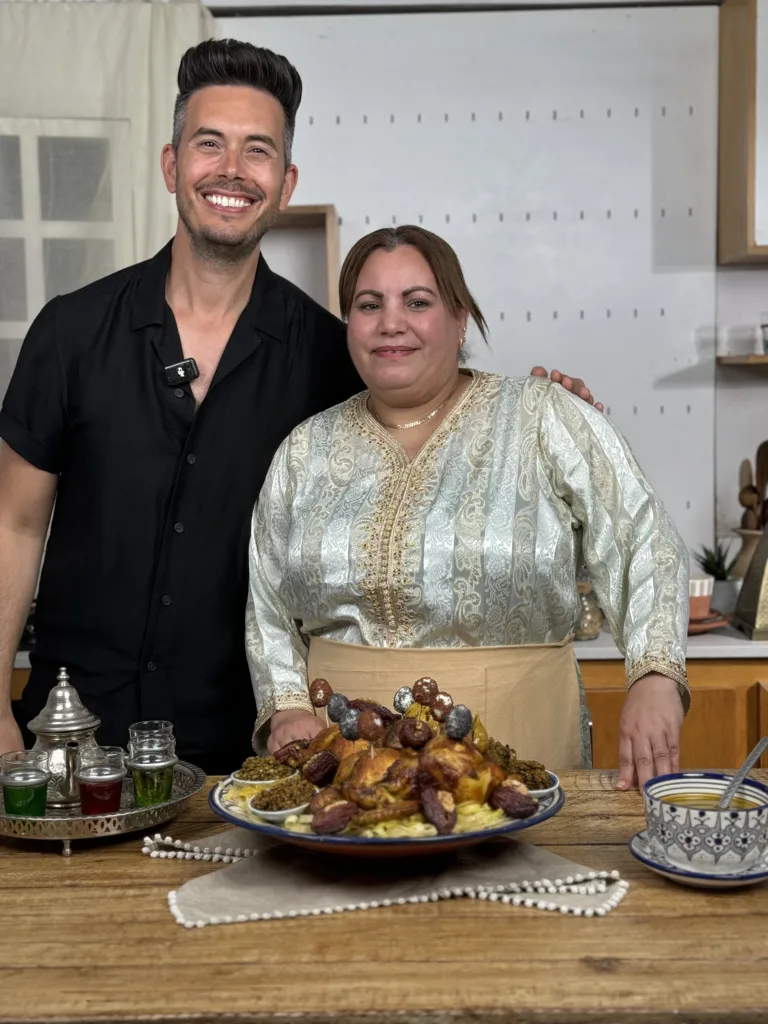
His own family history reflects that point. As a Maghrebi Jewish family, Patera said, his roots run through North African cities including Tetouan, Oran, and Tlemcen.
“I know my family’s story is not unique,” he said. “Many Moroccan and Algerian families have migrated around the region throughout the centuries.”
For him, it is natural that Morocco and Algeria share elements of culture, given the long history of movement, contact, trade, migration, and family ties across the region.
“There are of course countless dishes that are uniquely Moroccan or uniquely Algerian,” he said. “And, while I deeply believe that food tradition should always be attributed to the country or region or origin, there is also a reality that so many of the dishes that are being argued over, like couscous, are originally Amazigh.”
That point is central to his view of Maghrebi food. Patera sees Amazigh heritage as foundational to many North African culinary traditions, predating modern borders and modern nationalist arguments.
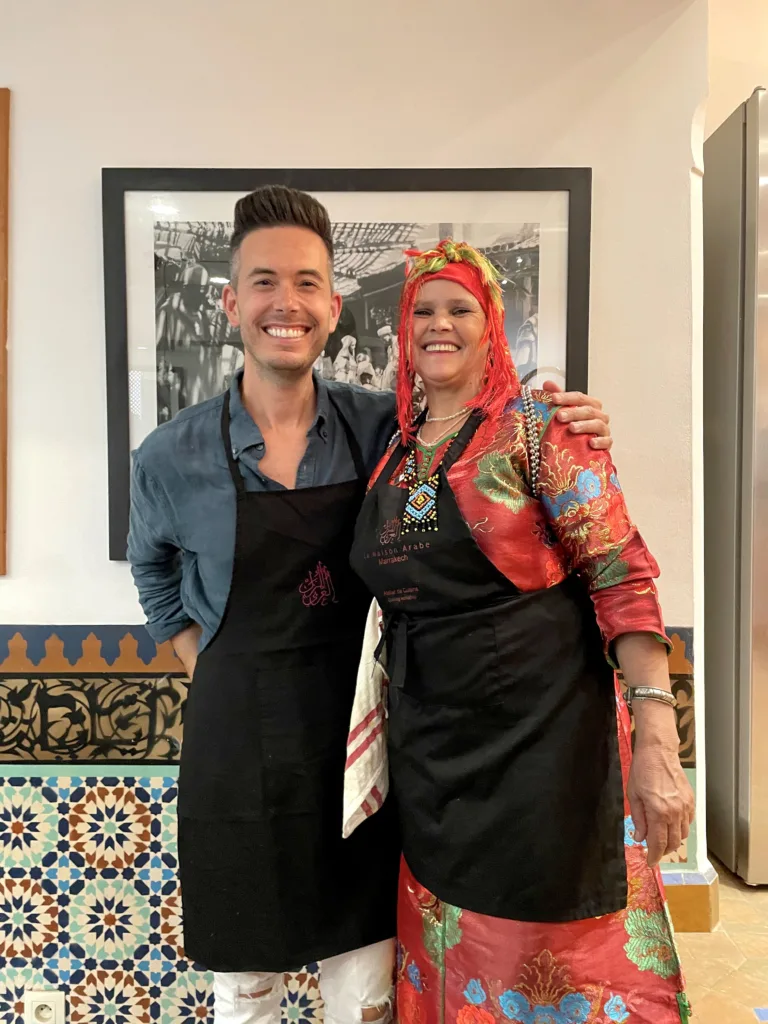
“The native communities have existed long before modern borders,” he said. “And, while many Amazigh dishes have evolved and have adopted unique regional characteristics — to deny the existence of shared heritage and culture is, in my opinion, to not have a full understanding of the history of the region.”
His answer does not erase difference. It does not flatten Moroccan and Algerian cuisines into one identical tradition. Instead, it argues for nuance.
There are dishes that belong clearly to specific regions, cities, and communities. There are also dishes that moved, evolved, and changed as people moved. For Patera, recognizing both truths is more honest than turning food into a cultural battlefield.
“While there is of course nuance to this conversation,” he said, “instead of fighting I wish we could find a way to foster more conversation, have more respect for one another and to be proud of a shared heritage — when and where it applies.”
Cooking from the outside, with ancestral weight
Patera is careful when describing his own position. He does not present himself as someone raised fully inside North African culture. He speaks openly about distance, discovery, and responsibility.
“I am North African, but I wasn’t raised in the culture,” he said. “I profoundly know the feeling of looking in from the outside, especially during my early years of cooking when I was discovering a lot about the cuisine for the first time.”
That outsider-insider tension has shaped his work. It has also made him more cautious.
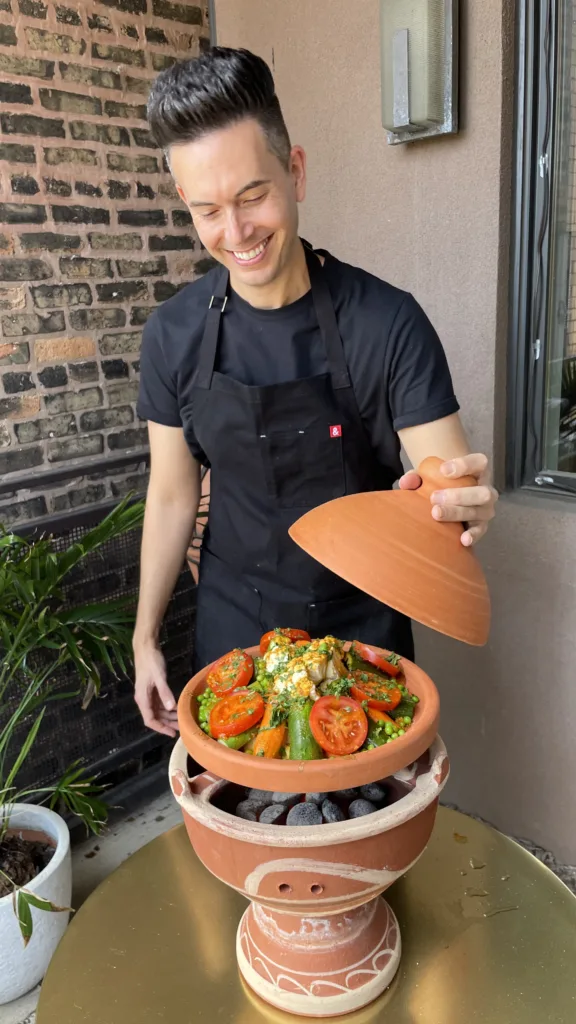
Living in the United States, Patera said, made the learning process difficult, especially in the early 2000s, when good English-language resources on North African food were limited.
“As someone living in a country that doesn’t generally know a lot about North African foods, I found it very challenging to find good information and recipes,” he said.
He remembers facing detailed technical questions that few available cookbooks answered.
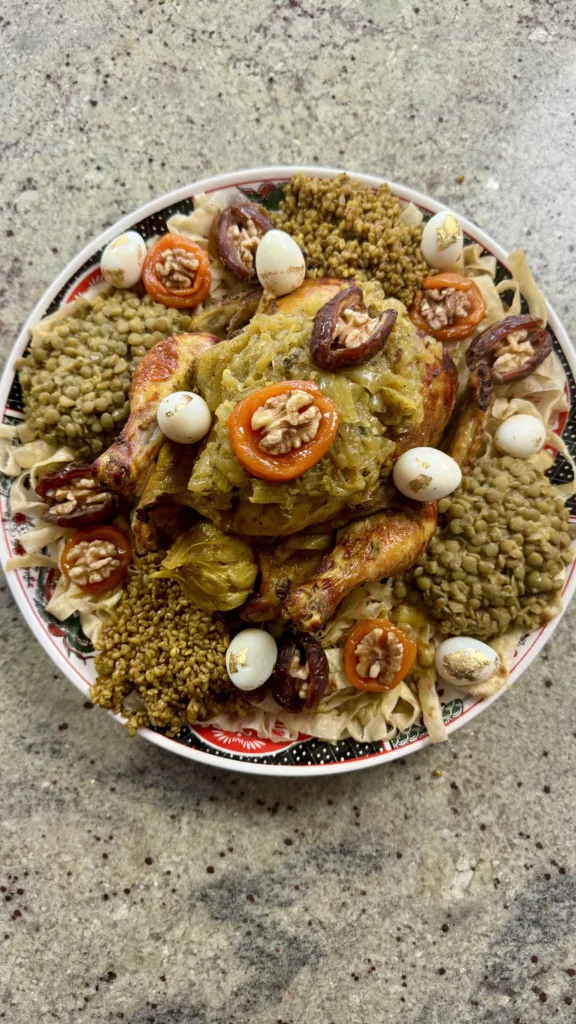
“I personally struggled answering questions like ‘do I season a tangia the same way I season a tagine?’ Or, ‘are there any Moroccan recipes that use the pulp of the preserved lemon instead of the rind?’” he said. “These weren’t exactly topics covered extensively in the few English language cookbooks that existed at the time.”
Today, the stakes feel higher. His recipes reach large audiences. His content ranks in search engines. People may use his videos and written recipes as entry points into Moroccan, Algerian, and North African food.
“As my social media channels have grown and my recipes rank high on search engines, I feel an enormous weight and responsibility to share historically accurate and technically correct dishes that honor the heritage,” he said.
That responsibility, he explained, is not a burden he wants to escape. It is part of what pushes him to work harder.
“That same weight has been and continues to be integral to my work,” he said, “as it pushes me to present dishes with as much authenticity as possible.”
Rare books, family secrets, and Moroccan kitchens
Patera’s approach is research-heavy. He studies traditional techniques, regional dishes, and forgotten recipes. He reads rare and out-of-print books. He listens closely to people from the region.
“I’ve studied for years to learn traditional techniques, regional dishes and forgotten recipes,” he said. “I research by reading rare, out of print books and I’ve learned an incredible amount from my social media community who is always willing to share family secrets.”
Those “family secrets” have become part of the living archive behind “DinnersWithDave.” His followers are not passive viewers; they correct, suggest, remember, and contribute.
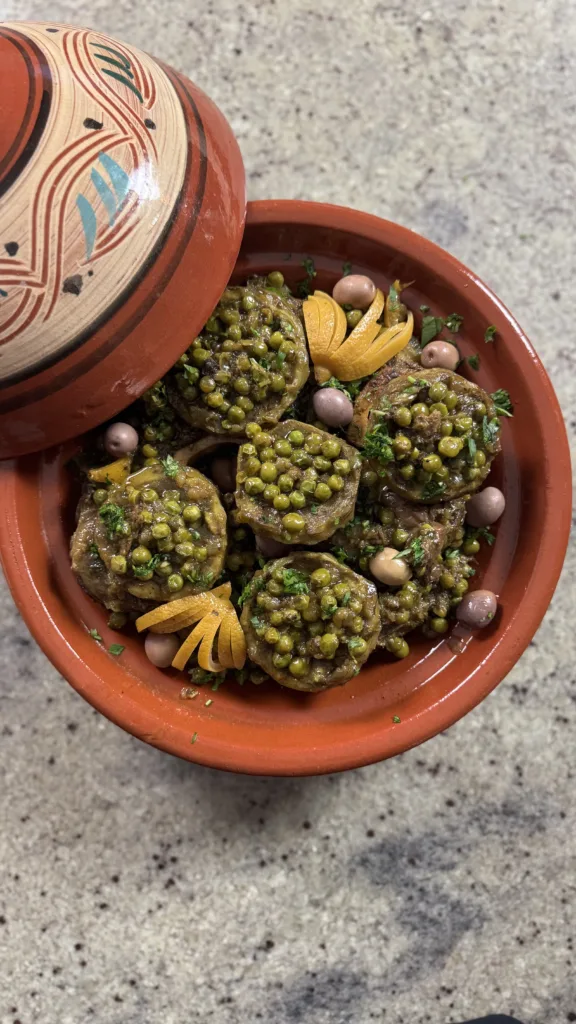
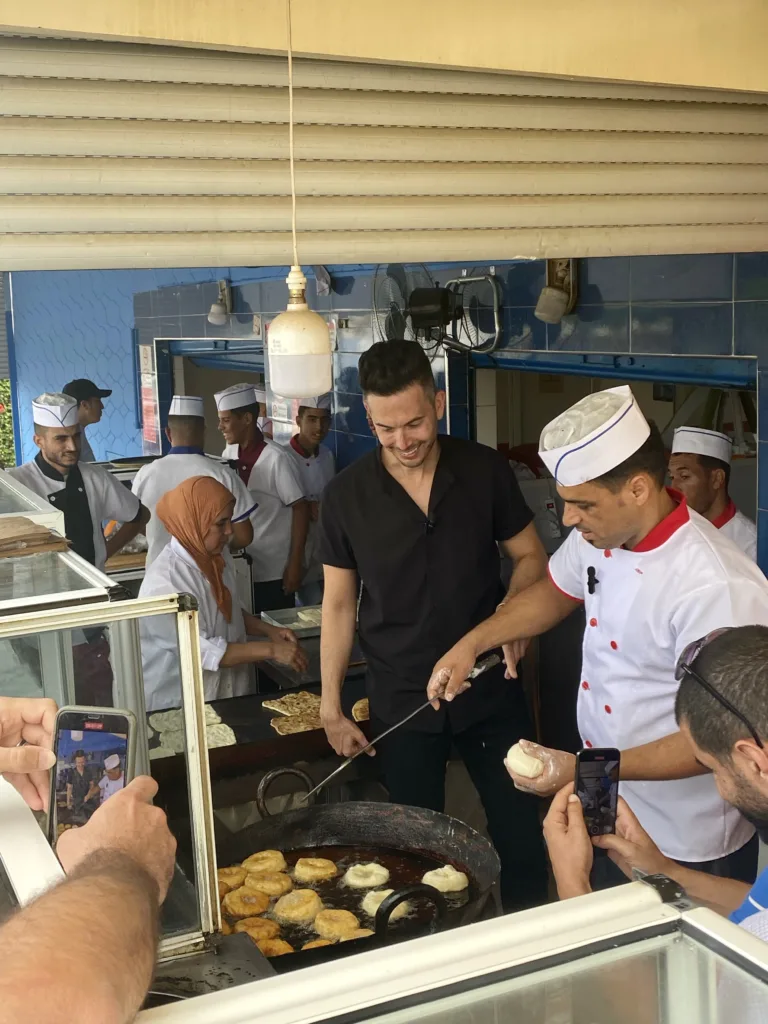
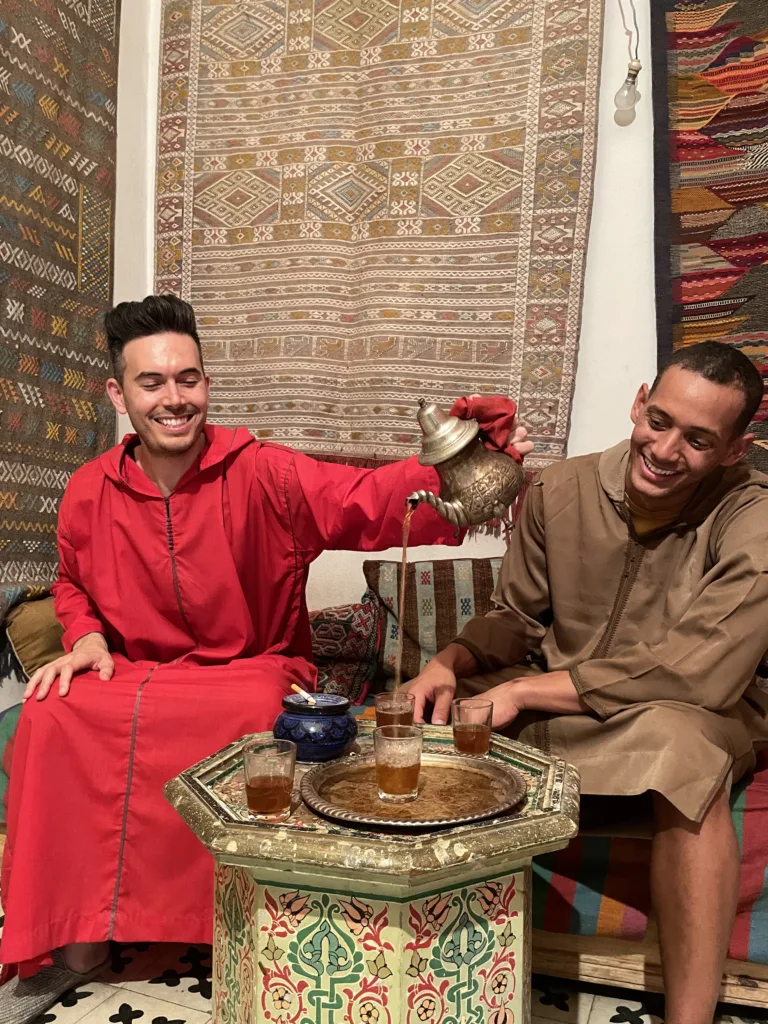
Patera also travels to Morocco as often as possible to spend time in kitchens across the country. This direct contact matters because food knowledge does not live only in books. It lives in hands, timing, gestures, and the quiet authority of home cooks.
“I like to think of the work I do as preserving tradition while demystifying North African foods for a wide audience,” he said.
His phrasing captures one of the tensions at the heart of his platform. He wants to make North African cuisine accessible to people unfamiliar with it, while avoiding the simplification that often happens when non-Western cuisines are introduced to American audiences.
That is why he returns again and again to technique, context, and attribution.
Still, the emotional core remains personal. When he cooks traditional foods, he said, he feels surrounded by those who came before him.
“Even though I’m an outsider, when I’m in the kitchen cooking traditional foods, I feel as if I stand not as myself but as the generations that walked before me,” he said. “I feel that my ancestors are in the kitchen with me, watching, smiling… and on occasion — approving.”
Recipes as stories, not just instructions
Patera’s Instagram and YouTube work is not limited to recipe sharing. His content often moves between ingredients, technique, memory, travel, and cultural explanation.
He said he chooses stories based on authenticity and personal resonance.
“I choose to share things that are authentic to me and have resonated with me personally — whether that’s a dish, a technique or a story,” he said. “I try to share information about things that I’m genuinely interested in or found interesting myself.”
His logic is based on the simple fact that if something fascinates him, it may fascinate someone else too, perhaps a whole audience.
Sometimes that means discussing his own family history. Other times, it means sharing a dish he encountered in Morocco and could not find in published English-language cookbooks.
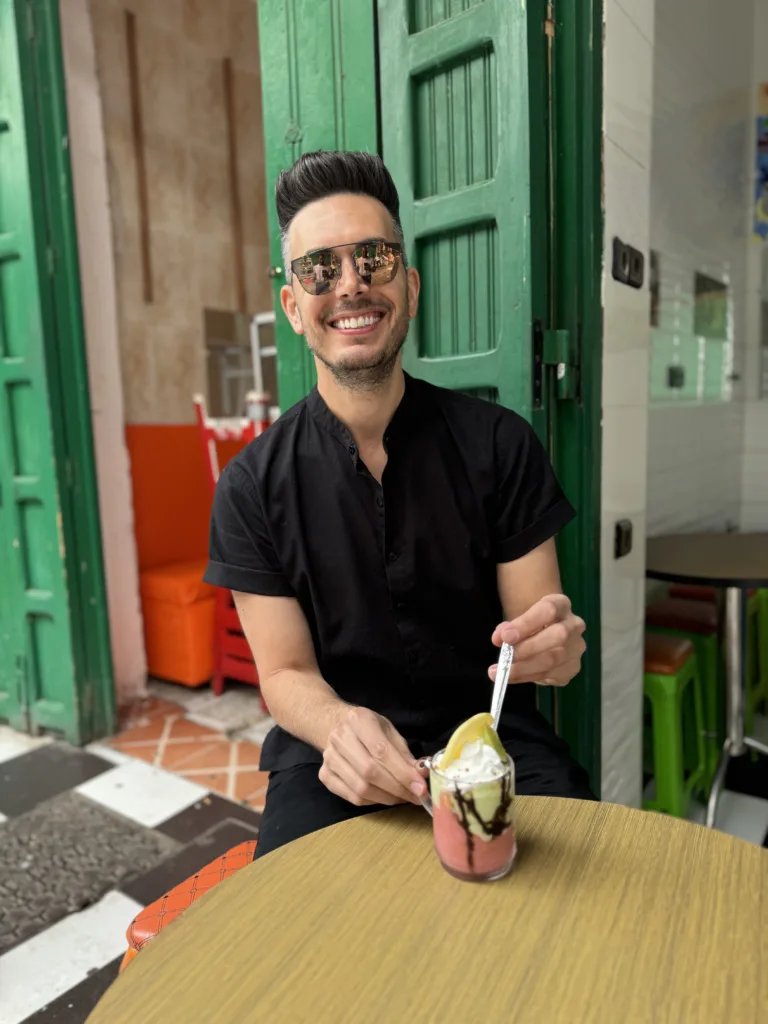
“Sometimes that’s a story about my own family and other times it’s a recipe that I tasted deep in a medina that I’ve never seen published in a cookbook — like Za3Za3,” he said.
The goal differs depending on the viewer. For audiences outside North Africa, Patera hopes his content opens a door.
“I hope viewers that aren’t from the region take away an interest in the food or culture and maybe even try a recipe,” he said.
For viewers from the region, he hopes the experience is more intimate.
“For those from the region, my genuine hope is that they learn something new while also taking away a feeling of nostalgia and connection,” he said.
That nostalgia is often what moves him most. Some of his favorite messages come from people who say a video reminded them of childhood, a parent, a grandparent, or a forgotten home ritual.
“My favorite messages to receive are those where a video of mine has unlocked a memory from decades past,” Patera said. “I always feel very moved by that sentiment.”
He also credits his online community for helping guide the platform’s direction.
“I also want to acknowledge my entire community on social media as my followers are very engaged and always share their thoughts about what they’d like to see next,” he said. “It helps me so much!”
Taking North African food to ‘MasterChef’
“MasterChef” gave Patera a different kind of platform. Instead of speaking mainly to viewers already interested in Moroccan or North African cuisine, he was entering an American prime-time food competition built around broad appeal.
He described the project as “such a fun” experience, especially because of the season’s theme.
“The theme of this current season is ‘Global Gauntlet,’” he said. “Home cooks from across the United States have an opportunity to represent their heritage on a global stage.”
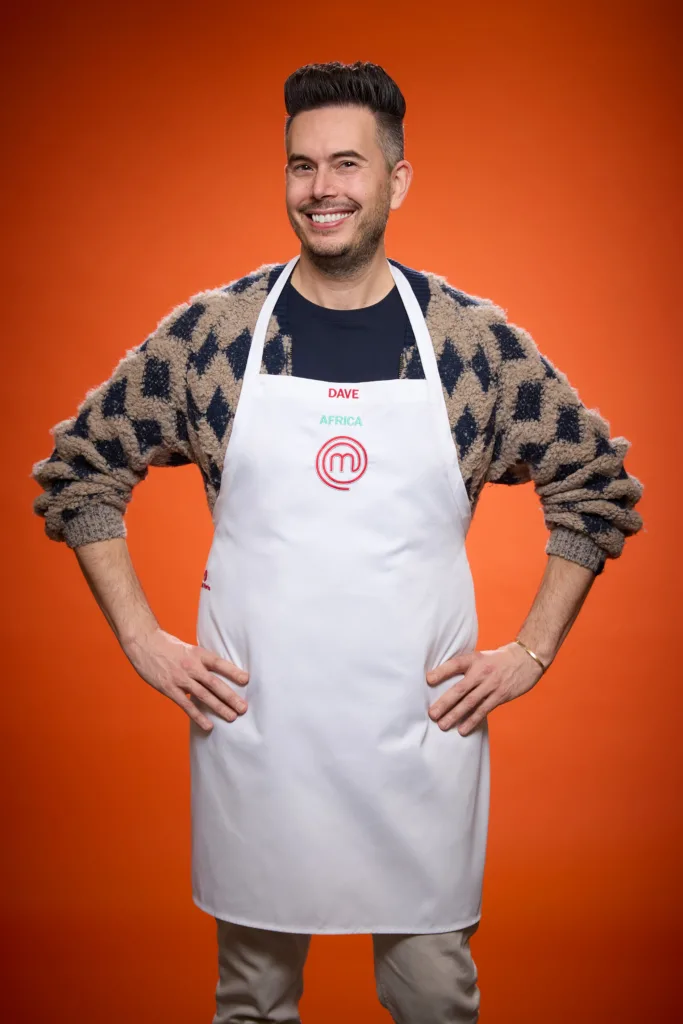
For Patera, that format fit naturally with the work he had already been doing online. It gave him a chance to introduce Moroccan and broader North African flavors to American viewers who may still associate the region’s cuisine with only a few familiar dishes.
“I thought it would be a beautiful way to showcase the work I do to an American audience,” he said. “I hope people see me and become more interested in trying Moroccan food.”
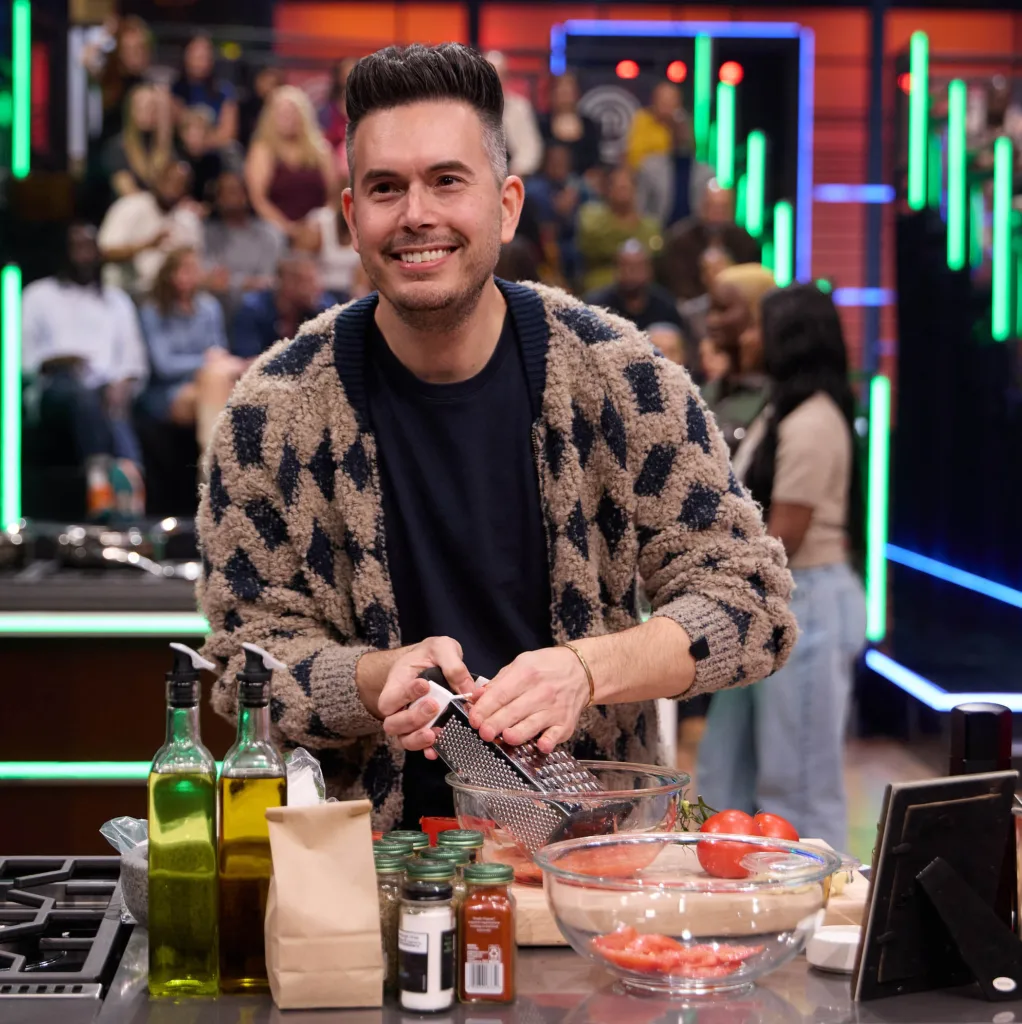
That desire is consistent with his broader mission. He wants North African food to occupy a more visible place in the American culinary imagination.
“We don’t have any chefs on national TV here in the US dedicated to North African foods,” he said. “I’d love to be the first.”
Then, with a phrase that connects ambition to faith and hope, he added: “Maybe one day it will happen for me, inshallah.”
Viewers can follow his “MasterChef” journey on Fox or stream the season on Hulu.
A Maghrebi table for a wider audience
Patera’s story matters because it resists easy categories. He is American, North African by heritage, shaped by an Algerian grandmother with Moroccan ancestry, and deeply invested in Moroccan, Amazigh, Algerian, and wider Maghrebi foodways.
He is also aware that love alone is not enough. To cook another community’s dishes publicly, especially for large audiences, requires humility, research, and correction. It requires listening to people who inherited the food directly, and recognizing that recipes are attached to histories.
At the same time, Patera’s work offers a softer answer to the harshness of online cultural rivalry. He does not ask Moroccans and Algerians to stop caring about origin. He asks for a fuller historical imagination.
“Before there were borders, there was brotherhood,” as he said.