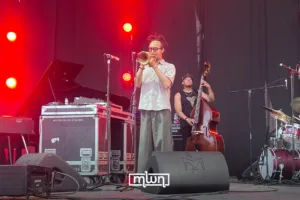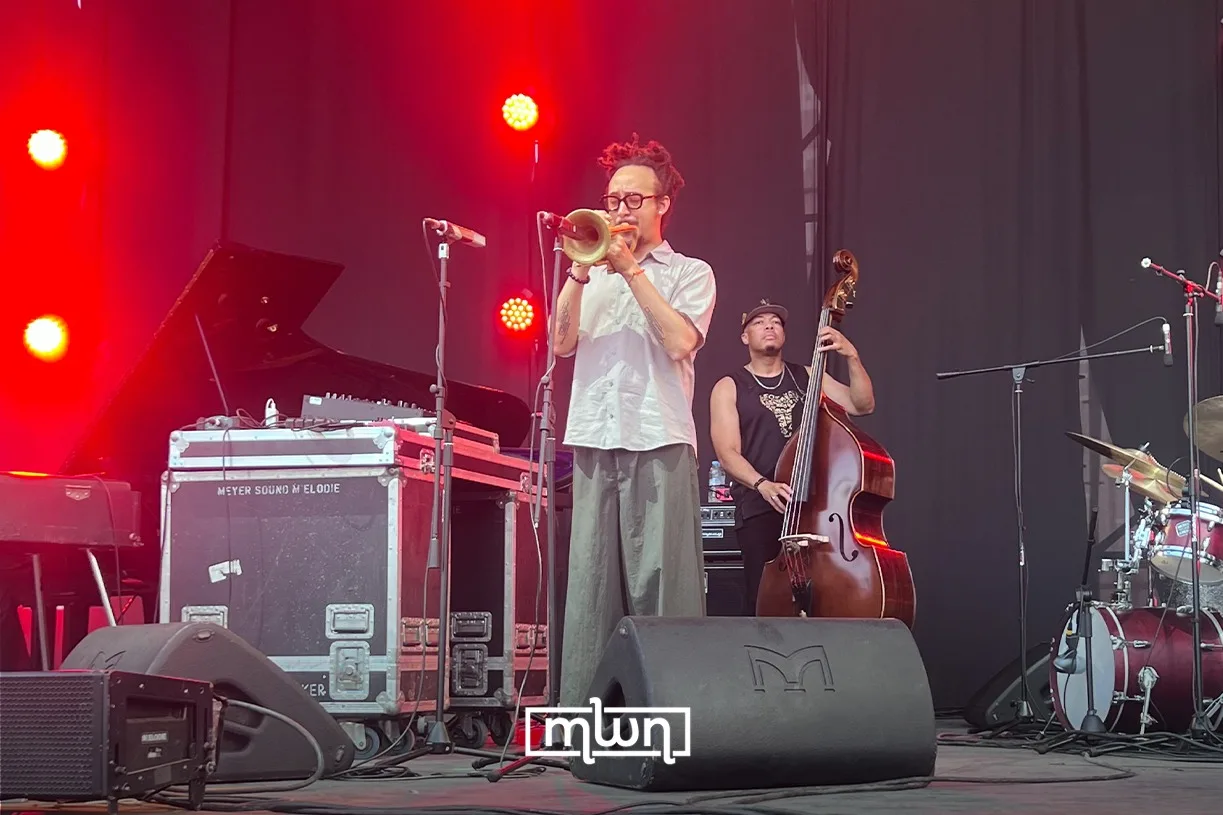
Casablanca — The Theo Croker quartet brought Jazzablanca’s second night into a more experimental lane on Friday, July 3, giving Casablanca a performance shaped by improvisation, sharp trumpet lines, and a strong sense of dialogue with the audience.
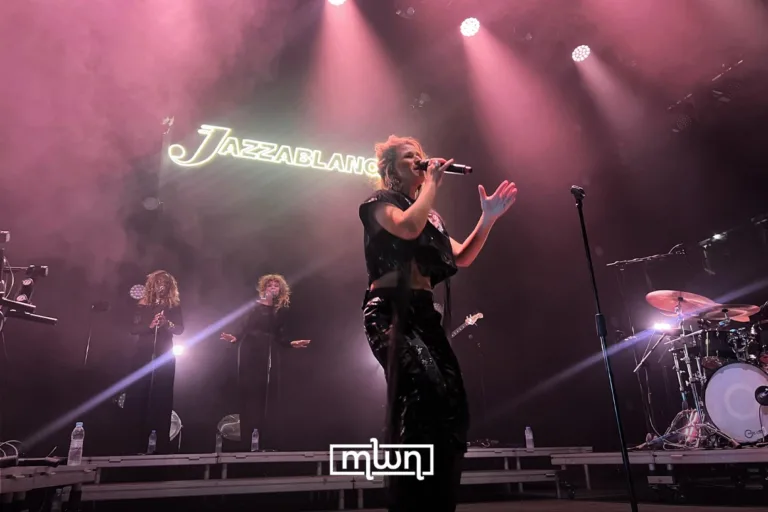
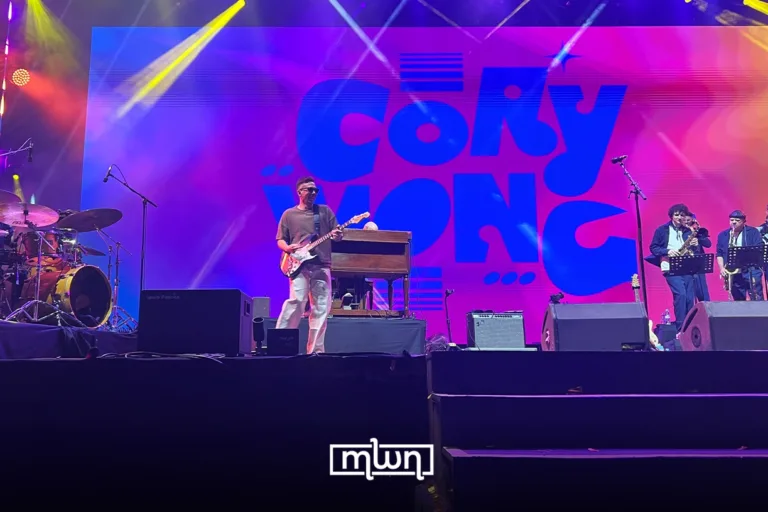
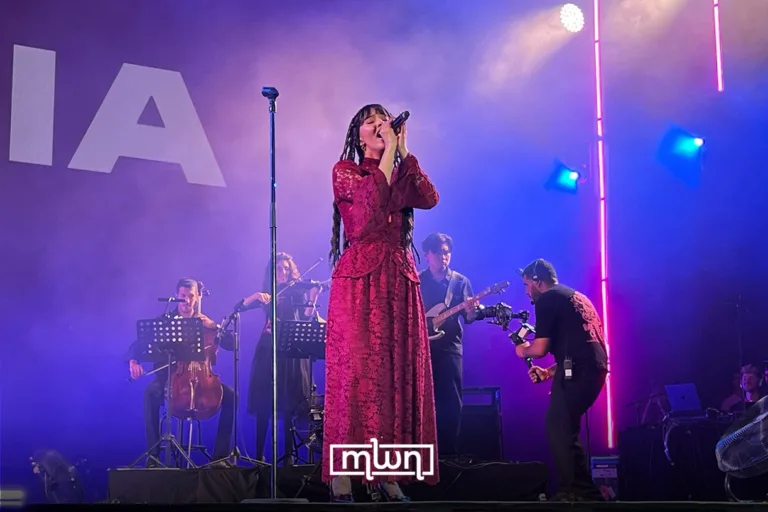
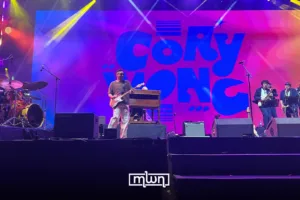
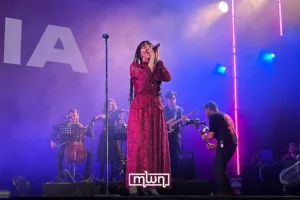
The American trumpeter, composer, and producer performed at Anfa Park as part of Jazzablanca’s second day lineup, which also featured Faouzia, Cory Wong, and Selah Sue & The Gallands.
Speaking to MWN Lifestyle magazine after the show, Croker said the Casablanca crowd helped shape the performance. “So tonight at Jazzablanca was fantastic. The audience was very cool, very into it,” he said. “Every time we made a left turn, they were right there with us.”
A concert built on risk and response
Croker’s set leaned into the spirit of modern jazz: movement, surprise, and constant exchange between musicians. Rather than treating improvisation as a technical display, the performance unfolded like a shared route, with the band testing new directions while the audience stayed engaged.
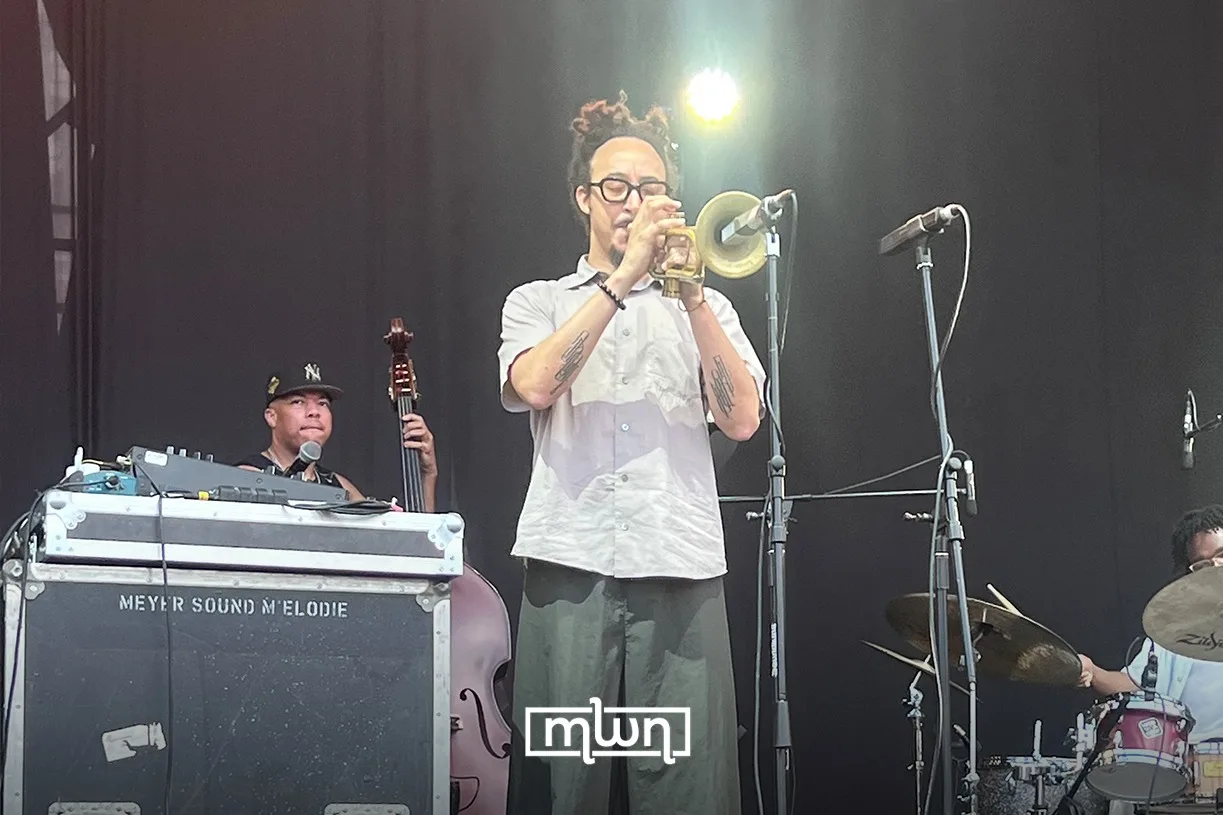
That responsiveness mattered to Croker. He said the crowd’s openness inspired the musicians “to go further and deeper” in their improvisations and explorations.
“It is nice to play and have an audience take the journey with you,” he added.
The comment captured the emotional center of the concert. Croker’s music often moves through different colors, pulling from jazz, hip-hop, neo-soul, R&B, and electronic textures. Jazzablanca describes him as a Grammy-nominated artist who reinvents the trumpet with a firmly contemporary vision, while carrying the legacy of his grandfather, the legendary Doc Cheatham.
Jazz with a future-facing sound
The Croker Quartet Jazzablanca appearance came as part of a wider artistic path built on refusing narrow categories. His work has long moved between tradition and experimentation, with albums such as “BLK2LIFE: A Future Past,” “Love Quantum,” and his 2025 project “Dream Manifest” placing spiritual jazz language alongside modern production and genre-blending soundscapes.
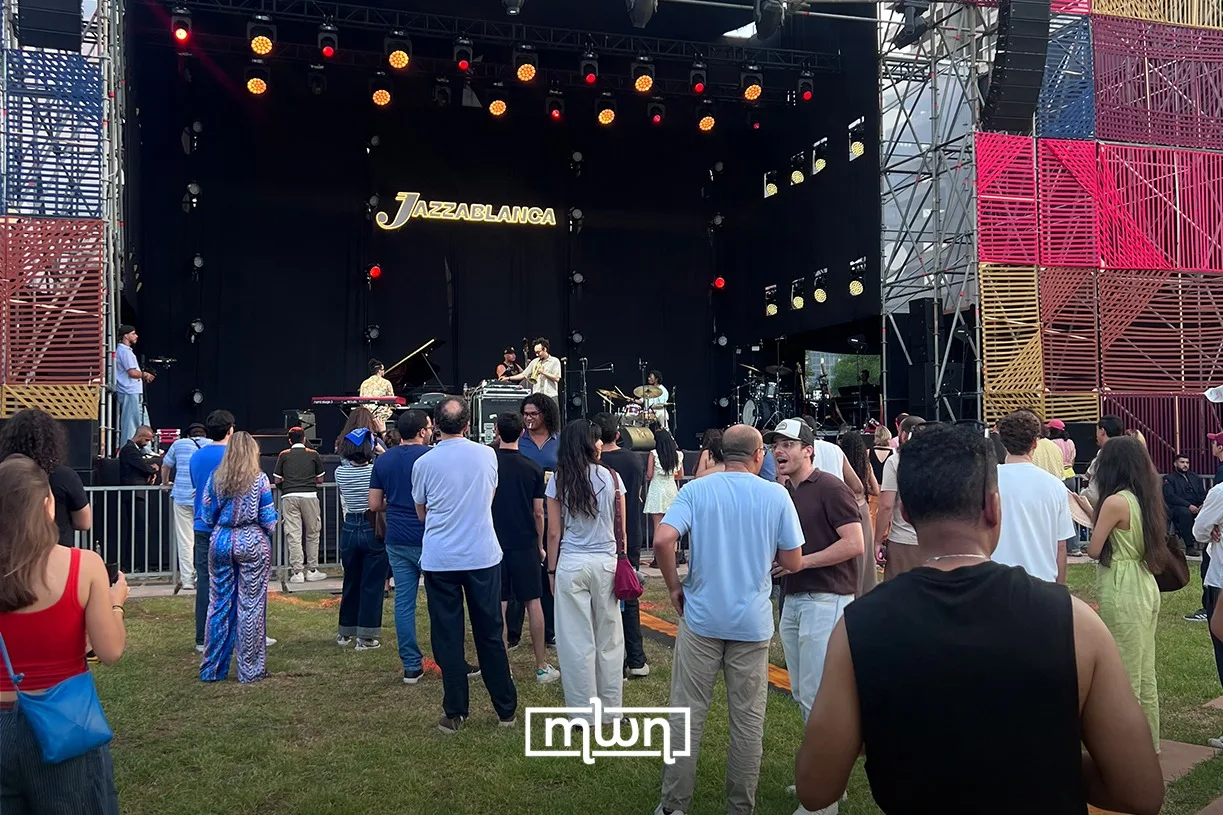
On stage in Casablanca, that identity came through clearly. The trumpet was not only a lead instrument, but a voice guiding the band through tension, release, and atmosphere. The set did not depend on easy hooks. It asked the audience to follow shifts in mood and direction.
According to Croker, they did.
For Jazzablanca, the performance reinforced the festival’s ability to balance major pop and funk names with artists who keep jazz at the center of its identity.
Croker’s set offered a different kind of energy from the night’s larger mainstream draws, giving the second evening a deeper exploratory layer.