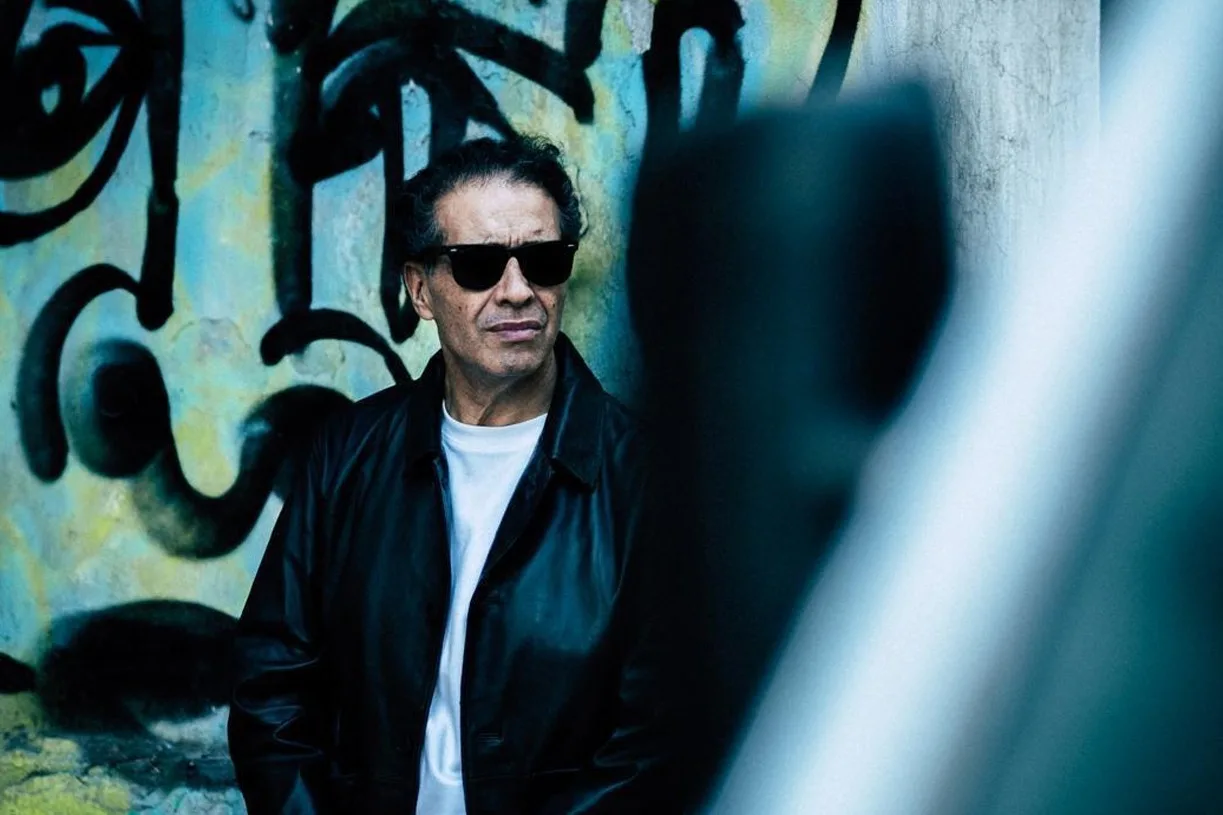
Rabat – For years, Noureddine Lakhmari has been one of the filmmakers determined to show Morocco beyond its postcard image.
Through his lens, the country comes into focus with all its contradictions, raw emotions, and untold stories, revealing the complexities that often go unseen.
From the urban landscapes of Casablanca to the quiet forests of Azrou and Ifrane, his cinema has always been driven by one constant search: understanding people and the places they call home.
Looking back at his career, Lakhmari considers his first feature film, Le Regard (2005), as the turning point that shaped his path as a filmmaker.
In an interview with MWN Lifestyle magazine, Lakhmari emphasized that returning to Morocco with the desire to create cinema was an emotional and deeply personal experience.
The country represented an endless source of narratives waiting to be explored.
Casablanca through the eyes of Nour-Eddine Lakhmari
“It’s not a city, it’s energy” Lakhmari said, claiming that “Casablanca is an open-air museum, a city where you can tell countless stories.”
For him, the city reflects the diversity of Moroccan society, where people from different backgrounds come together and create a unique identity.
“When you talk about Casablanca, you are ultimately talking about Moroccans themselves,” he added.
This is what makes Casablanca, according to the filmmaker, an endless source of inspiration. A city that can carry thousands of stories, from comedy to thriller and film noir.
From one neighborhood to another, the city constantly changes. Yet, despite these contrasts, there is something that connects everyone who lives there.
This complexity is what continues to attract Lakhmari and keeps Casablanca at the heart of his cinematic universe.
Returning with Mira
After an eight-year absence from cinema, Lakhmari made a comeback with Mira, a deeply personal film that marks a different chapter in his artistic journey.
However, the filmmaker insists that he never truly stepped away from his passion for storytelling.
“I did not disappear; I was simply doing other things,” he explained. During this period, Lakhmari was working on different projects, reflecting, and taking time to prepare himself for a film that would explore a new dimension of his cinema.
With the film Mira, released in 2025, the director moves away from the urban landscapes that have defined much of his previous work to explore themes of silence, nature, and humanity’s connection with the environment.
Lakhmari has been drawn to cities, particularly Casablanca, capturing their energy, contradictions, and endless stories. Yet, he felt the need to look beyond the city and explore another side of Morocco.
“Throughout my career, I have mostly made urban films. But at the same time, I wanted to explore nature,” he highlighted.
The new series “K1”
Lakhmari continues to explore new storytelling spaces through television, with his latest series “K1.”
For the filmmaker, the crime genre represents much more than investigations and suspense; it is an opportunity to dive into society and explore the complexity of human beings.
Having already experimented with the genre through “Al Qadia,” Lakhmari sees police dramas as a natural extension of his cinematic interests, particularly his love for film noir.
According to him, these stories create a space where tension, mystery, and psychological depth come together.
As he explained to us, the new series shows how police officers are not simply figures of authority; they are human beings carrying their own struggles, emotions, and personal challenges.
Through “K1,” Lakhmari continues his exploration of the human condition, using the crime genre as a way to reflect on society, emotions, and the hidden stories behind those who dedicate their lives to seeking justice.
How traveling inspires the filmmaker
For the filmmaker, traveling and experiencing different cultures can only enrich an artist’s perspective.
“We carry things from Norway, we carry many things from Morocco, and we take the best from each culture,” he told MWN Lifestyle magazine.
Lakhmari believes that what truly shapes a person is not only their origins, but the experiences they collect throughout life, the books they read, the music they discover, the places they visit, and the lessons they learn along the way.
Although Norway has given him a lot, Lakhmari emphasized that Morocco remains an essential part of his identity and artistic expression.
Every time he returns to film his country, he feels that there are still countless stories waiting to be told.
Lakhmari aims to highlight the country’s people, their creativity, achievements, and everyday realities. It is this human and authentic Morocco that continues to inspire his cinema.
Advice to young filmmakers
Lakhmari carries a message for the young generation of filmmakers hoping to make their way into cinema: to never give up on their dreams.
“Persevere. Persevere. Persevere,” he expressed, emphasizing that determination is one of the most important qualities an artist can have. For Lakhmari, the road to filmmaking is rarely easy, and young creators will inevitably face disappointments, obstacles, and moments of doubt.
“There will be empty promises. There will be barriers and obstacles. There will be people who make you feel like giving up,” he explained.
However, he believes that the passion for storytelling must always remain stronger than these challenges.
The desire to create, express oneself, and share stories with the world is what keeps filmmakers moving forward.
For him, perseverance is not only a lesson for young filmmakers but for anyone pursuing a dream.
Challenges will always exist, and there will always be voices trying to discourage people from following their ambitions. But the ability to keep going and maintain hope is what ultimately makes the difference.
The future of Moroccan cinema
When discussing the future of Moroccan cinema, Noureddine Lakhmari believes that the industry still needs important structural changes, starting with stronger financial support.
For the filmmaker, the state has an essential role to play in developing cinema, especially in a country where the market remains limited due to the lack of movie theaters. According to him, reducing support would make it even more difficult for filmmakers to create and for the industry to grow.
Lakhmari hopes to see a future where Morocco has more cinemas and a stronger distribution network, allowing cinema to become a real industry.
He stated that more theaters would help create a healthier ecosystem where producers can generate revenue, professionals can find more opportunities, and filmmakers can continue creating.
For him, producing more films is also a way of increasing the chances of creating great ones.
According to him, Morocco’s cinema industry should not simply follow existing foreign models.
Instead, he called for the creation of a model adapted to Morocco, one that supports filmmakers, strengthens production and distribution, and builds a stronger connection with local audiences.
For Lakhmari, Moroccan audiences are ready to embrace their own cinema. When filmmakers succeed in telling authentic stories that reflect their reality, viewers respond and support local production.