Rabat – Istanbul has no shortage of famous sights. There is the Bosphorus, Hagia Sophia, the Maiden’s Tower and the red tram running through İstiklal Avenue.
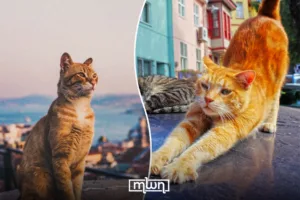
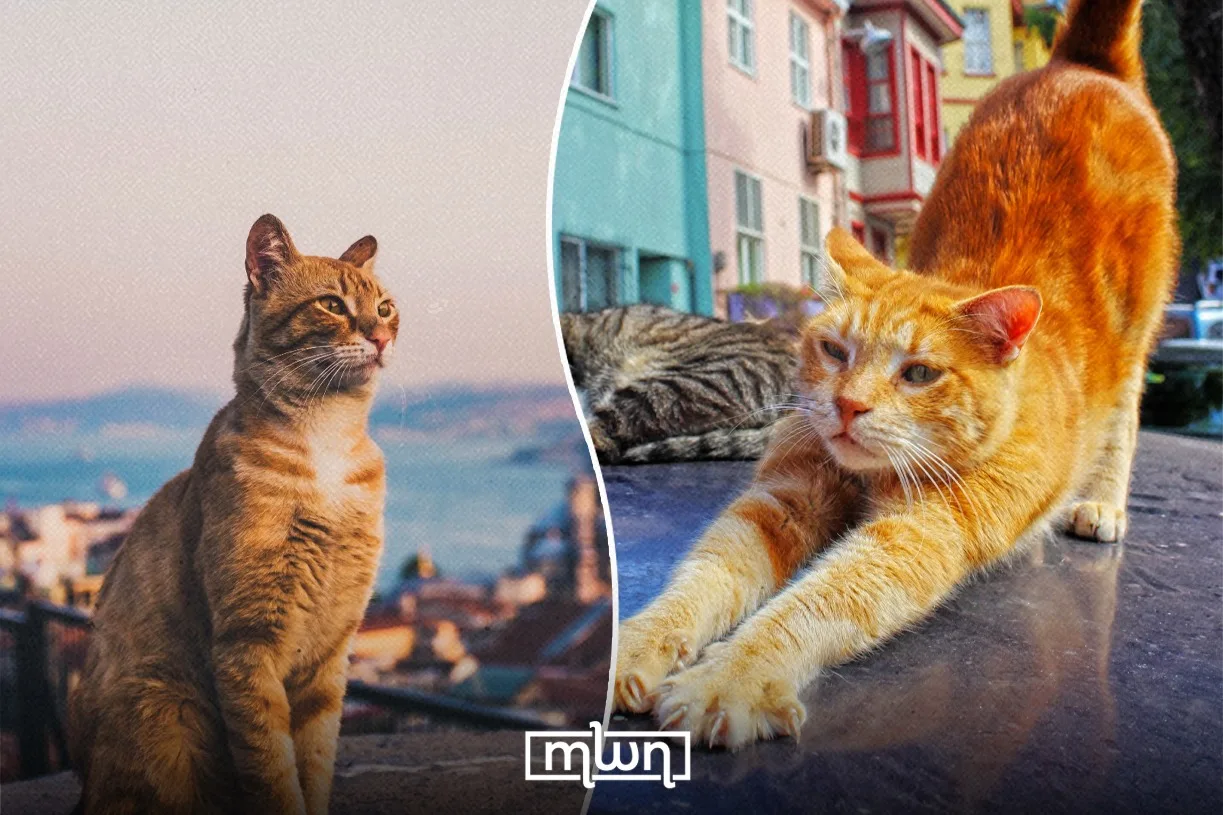
But across the city, another local attraction has been quietly drawing attention for years: its cats.
From ferry terminals and busy markets to historic landmarks and neighborhood cafés, cats are a familiar sight across Istanbul.
Some sleep on shopfronts, others wander through public spaces, and a few have become local celebrities in their own right.
Their presence has also found a much larger audience online. Social media is filled with images and videos of Istanbul’s street cats, helping turn them into one of the city’s most recognizable, and unexpected, features.
Istanbul’s cats are internet celebrities
Search hashtags such as #CatsOfIstanbul and #IstanbulCats and you will find countless videos of cats appearing in places where they seem to have no business being.
One cat famously wandered across a Formula 1 exhibition track in Türkiye, while another made its way onto a football pitch ahead of a UEFA final.
Cats have also been spotted at concerts, theatres and ballet performances, as well as sitting near metro entrances and ferry terminals.
That is particularly relevant as social media continues to influence how younger travellers choose destinations.
Recent travel research found that 59% of Gen Z travellers use Instagram for travel inspiration, followed by YouTube at 54% and TikTok at 47%.
In Istanbul, the cats fit naturally into that kind of travel content. They are spontaneous, photogenic and, unlike many traditional tourist attractions, impossible to schedule.
Where to find Istanbul’s cats
There is no single place to go if you want to see Istanbul’s famous feline residents. They are spread throughout the city.
Cats can often be found around Sultanahmet Square, Topkapı Palace and the Istanbul Archaeological Museums, where historic surroundings provide a backdrop for an encounter that feels distinctly local.
They are also a familiar presence around many of the city’s mosques. Visitors may come across cats resting in or around places such as Hagia Sophia and the Blue Mosque, reflecting Türkiye’s long-standing tradition of caring for street animals.
Elsewhere, the streets around the Spice Bazaar and Eminönü are home to cats alongside the crowds of pigeons and seagulls. Fener and Balat offer another popular setting, while Beyoğlu, Galata, Cihangir, Beşiktaş and Kadıköy are equally known for their feline residents.
Across the Bosphorus, neighborhoods such as Ortaköy, Moda and Kuzguncuk provide plenty of opportunities to spot cats outside cafés, shops and residential buildings.
There is even a museum dedicated to them. The Cat Museum Istanbul in Galata explores the relationship between cats and the city through exhibitions and cat-themed art, while also supporting street-animal welfare.
A culture of coexistence
What makes Istanbul’s cats stand out is not simply their numbers. It is the way they have become part of everyday urban life.
A cat might approach a table at a cafe, sit outside a shop or curl up beside a landmark without attracting much attention from locals. For many residents, these encounters are simply part of living in Istanbul.
The relationship between people and cats in Türkiye has deep cultural roots, with communities historically caring for and feeding stray animals.
In Istanbul, that relationship has become particularly visible, giving the city its reputation as a place where cats are treated less like visitors and more like neighbors.
And the phenomenon is not limited to Istanbul.
Cats can be found around some of Türkiye’s other major tourist destinations, from the ancient ruins of Ephesus and the Ancient Theatre of Aspendos to coastal towns and city streets across the country.
For travelers, spotting one may not be the main reason to visit Türkiye. But once you arrive, it can easily become one of the memories you take home.