How Do You Automatically Recognize a Moroccan? #WeAskAI

Let’s find out if ChatGPT can truly spot a Moroccan.
Israel Signs $6M Deal With US Firm to Shape AI Narratives Including ChatGPT
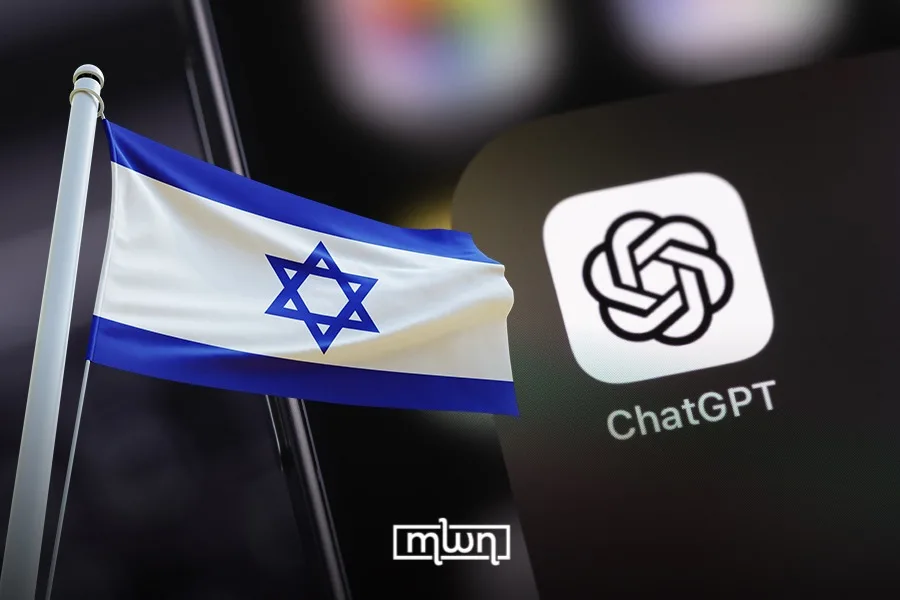
Reports say the Israeli government has contracted a US-based firm in a $6 million communications agreement that includes efforts to influence how artificial intelligence systems respond to topics involving Israel and related issues.
What’s the Hardest Moroccan Habit for AI to Understand? #WeAskAI

ChatGPT is a secret guest in every Moroccan household. It knows our habits, our quirks – and apparently, it’s confused by some of them!
Sam Altman: Don’t Tell ChatGPT Your Secrets It’s Not Your Therapist
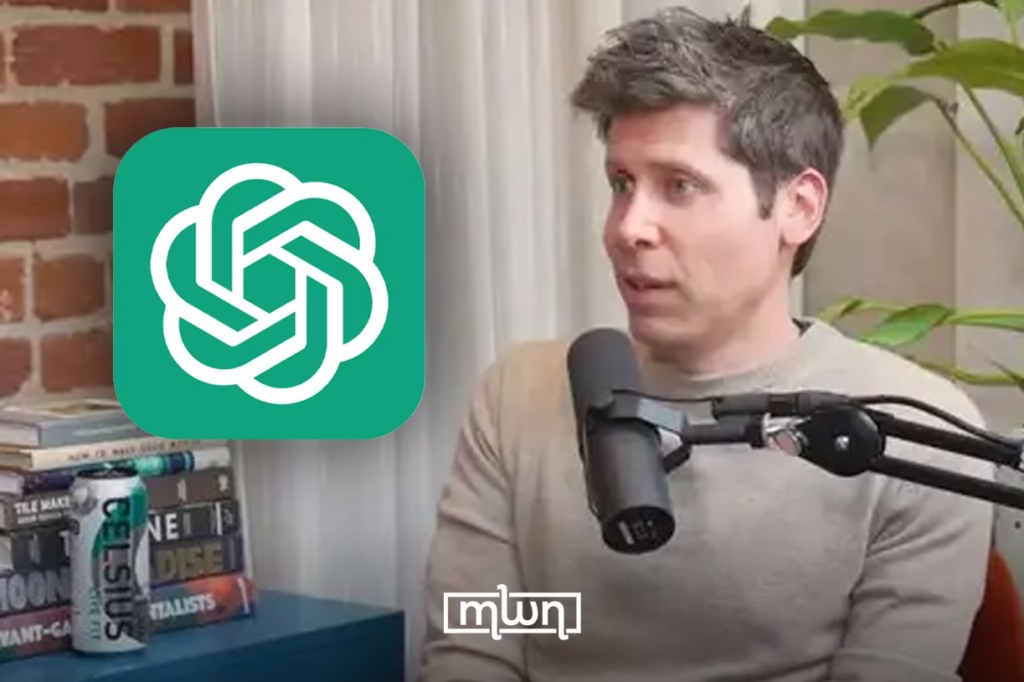
Don’t expect privacy from ChatGPT, Sam Altman is warning you. Fez – If you’ve ever poured your heart out to ChatGPT at 2 a.m., you might want to sit down for this one. Sam Altman, the CEO of OpenAI, has a bit of a reality check: your chats with the bot aren’t exactly confidential, and there’s no legal safety net if things ever go sideways. In a recent appearance on the podcast “This Past Weekend with Theo Von,” Altman got real about something a lot of users don’t think about. While people are out here treating ChatGPT like it’s their best friend, therapist, life coach, and occasionally their lawyer, Altman gently reminded the world: it’s none of those things. And crucially, there’s no legal protection backing those late-night conversations. “People talk to ChatGPT about the most personal things,” Altman said. “Especially younger users, asking for relationship advice, talking about mental health, all of it. But when you speak to a doctor, therapist, or lawyer, there’s legal privilege. With ChatGPT, that doesn’t exist, at least not yet.” Translation? If you’re ever in legal trouble and someone demands a transcript of your chat with the bot, OpenAI could, by law, hand it over. According to a TechCrunch report, this issue has already come up in court, and it’s not just theoretical anymore. To be clear, Altman isn’t throwing shade at his own product. In fact, he openly acknowledged that privacy concerns are slowing down the adoption of generative AI, and he knows it. But as it stands, OpenAI is trying to balance innovation with legal caution. That means your spicy confessions to ChatGPT are stored data, not protected secrets. Things get even murkier when you remember that OpenAI is currently facing a major lawsuit from The New York Times for allegedly using their content to train the model. As part of that case, the paper has requested access to global user conversations with ChatGPT, yep, all of them. This legal chaos has pushed OpenAI to clarify its stance on privacy through an official statement, essentially saying the court is overreaching and trying to force changes in company policy. So yeah, it’s complicated. Even podcast host Theo Von, known more for comedy than cybersecurity, admitted he barely uses ChatGPT for this very reason. Altman’s response? “That makes sense.” So where does that leave you, dear ChatGPT user? If you’re just here asking for restaurant recommendations or trying to write a wedding speech, carry on. But if you’re venting about your ex, work drama, or plotting your next big career move… maybe think twice before treating the bot like your diary. Bottom line: ChatGPT might “act” like your therapist, but legally speaking, it’s just a very polite parrot with no confidentiality clause. Voir cette publication sur Instagram
I Asked ChatGPT What It Would Tell Its 20-Year-Old Self
The 40-year-old ChatGPT reminded me that everyone’s journey is different, and the only comparison that matters is the one we make with ourselves.
DeepSeek: China’s Silent Challenger to the AI Giants
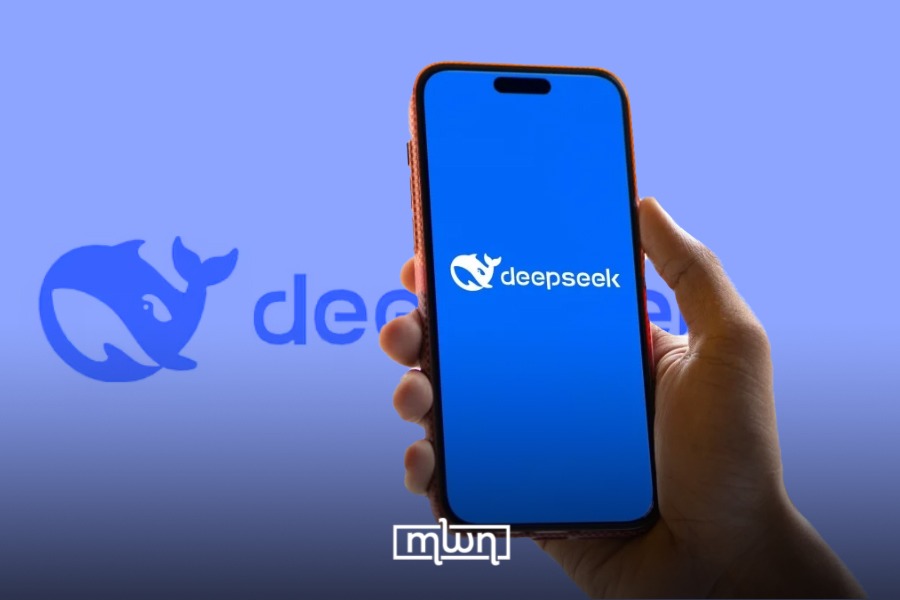
A new conversational AI, born from limited resources and unexpected innovation, is quietly challenging the tech world’s giants. Fez – DeepSeek, the conversational agent developed by a Chinese startup, is shaking up the global tech landscape. Despite having limited resources, it competes with top American models. Here’s a closer look at this phenomenon that is reshaping the rules of artificial intelligence (AI). Launched by a startup based in Hangzhou, China, a city known for its thriving tech scene, DeepSeek quickly rose to become the most downloaded app on the App Store. The chatbot can write complex code, solve math problems, and answer a variety of queries, positioning itself alongside American models like ChatGPT or Claude. Yet, what makes DeepSeek stand out is that it was built on limited resources: it only required a fraction of the chips used by its competitors, with a budget of just $5.6 million, far less than the billions invested by giants like Nvidia or Meta. DeepSeek stands out for its openness and versatility. Available on both mobile and desktop, it can compose songs, suggest recipes based on available ingredients, or offer advice on handling everyday situations. However, there are limitations. While the chatbot excels in English and Chinese, it avoids sensitive or censored topics in Chinese politics, particularly those related to President Xi Jinping, offering to “talk about something else.” This censorship reflects the broader restrictions faced by Chinese tech companies, often under government surveillance. One of the most striking aspects of DeepSeek isn’t just its ability to deliver high-quality results, but how efficiently it does so. Unlike Western models such as ChatGPT, which require massive resources to perform complex calculations, DeepSeek achieves similar results using four to five times fewer resources. It’s not just about performance or the quality of responses; it’s about energy and computational efficiency. DeepSeek’s algorithm is designed to optimize resource use, delivering results with far lower energy consumption than traditional models. This challenges the current AI model, which is based on enormous data centers and high-performance chips. What’s even more surprising is that DeepSeek achieves these results without relying on the powerful NVIDIA chips often considered essential for AI models like ChatGPT. By optimizing its algorithm and model structure, DeepSeek proves that it’s possible to overcome the limitations imposed by cutting-edge technology. The rise of DeepSeek had an immediate impact on the market. Shares of major tech companies like Nvidia and SoftBank dropped by 3% and 8%, respectively, following the announcement. Some analysts, like Marc Andreessen, have called this a “historic turning point,” similar to the launch of the Sputnik satellite by the Soviet Union. Beyond its technical performance, DeepSeek’s open-source approach sets it apart from its rivals. By making its model accessible to everyone, the Chinese startup promotes a vision of collaborative AI, breaking away from the proprietary practices of Western companies. DeepSeek’s success is not just a technological milestone but a geopolitical one. China aims to become a global leader in artificial intelligence by 2030, with massive investments in the sector. Chinese companies, long seen as dependent on Western technologies, are now proving that they can bypass these obstacles. DeepSeek is stepping out as a shift in the AI landscape. By showing that it’s possible to achieve excellence with limited resources, it lays the foundation for a more accessible and collaborative technological model. However, the road ahead is not without challenges. Between Chinese censorship restrictions and fierce competition from American giants, DeepSeek will need to demonstrate resilience to maintain its momentum. Nevertheless, this chatbot represents a significant turning point, not only for artificial intelligence but for the balance of power in the global digital economy. Read also: One City, One Must-See Spot: The Ultimate Moroccan Travel Itinerary