What is Chinese New Year? All to Know About this Festive Celebration
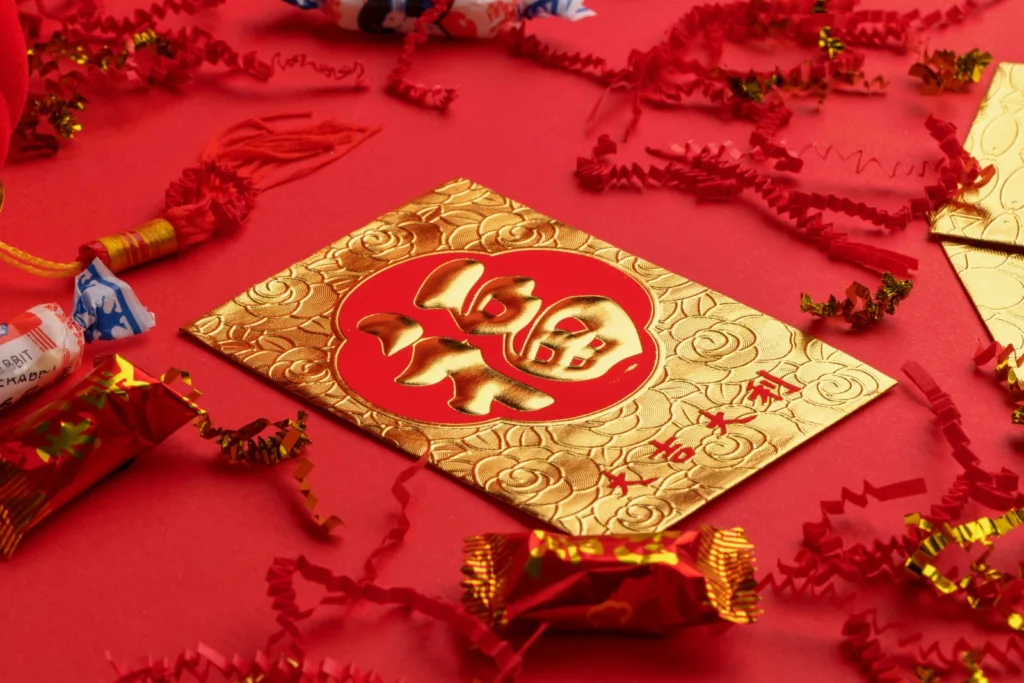
As the traditional Chinese New Year approaches, Chinese communities around the world, including in Morocco, are bringing the festivities.
Morbid ‘Are You Dead’ App Becomes a New Panic Button for Young Singles

A bluntly named mobile app is gaining attention among young people living alone, reflecting growing anxieties about isolation and dying unnoticed.
‘Enjoy AI Global Final 2025’: Moroccan Students Win Big in China

For their first time in a Chinese robotics competition, young Moroccans turned a debut into a medal run.
Turkey Deploying Twin Autonomous Rovers to the Moon in Landmark China-Led Mission
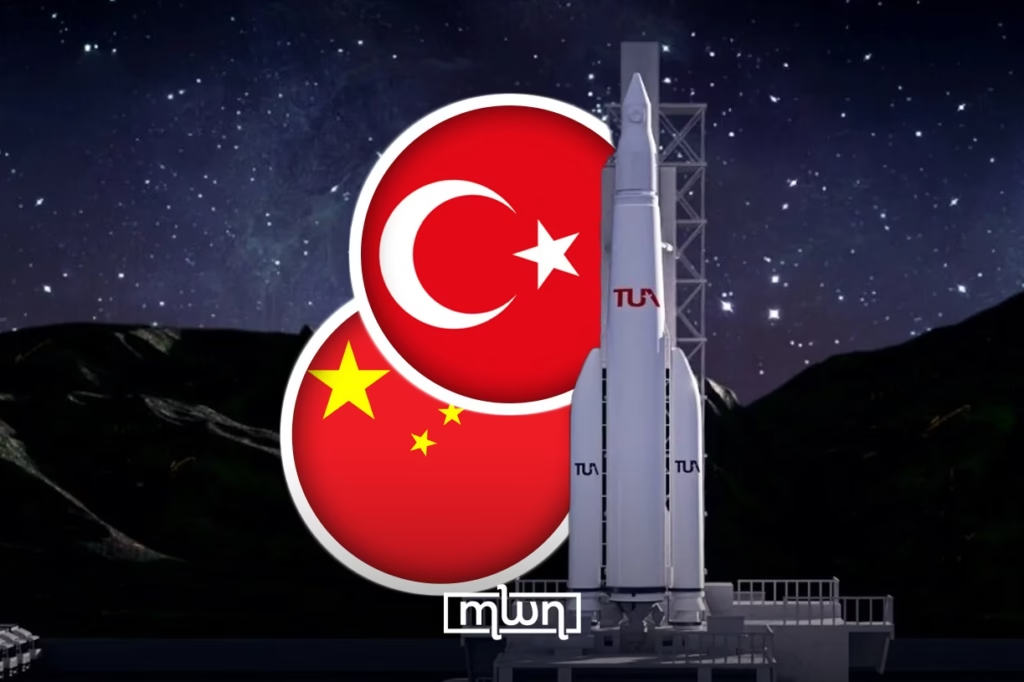
Fez – Turkey is stepping further into the global space race with an audacious new venture: the deployment of two miniature autonomous spacecraft to the Moon’s south pole as part of China’s Chang’e-8 mission, scheduled for launch in 2028. The project, led by Ankara’s Middle East Technical University in collaboration with Zhejiang University and Chinese private space-tech company “Star Vision,” marks the first time Turkey will place its own vehicles on the lunar surface. If successful, Ankara will become the world’s sixth nation to achieve a soft lunar landing and the first to operate two self-driving rovers simultaneously on the Moon. The Turkish rovers, nicknamed “ÇERI,” an acronym for “Smart Exploration Robots for Harsh Environments,” may weigh under 5kg each but are engineered to withstand the Moon’s brutal extremes, from razor-sharp temperature shifts to excessive radiation. Equipped with state-of-the-art artificial intelligence systems, these robots will manoeuvre independently across the jagged lunar terrain, choosing paths and conducting operations without human intervention. Once deployed from the Chinese lander, the twin explorers will work as a coordinated team. One rover will scout the path ahead and survey the landscape, while the second will carry out high-precision scientific tasks: building detailed 3D maps, measuring radiation and temperature levels, and analyzing soil composition in one of the least explored regions of the Moon, the south pole. A distinctive feature of the mission is its two-step landing sequence. Engineers plan to release the first rover and allow it to beam back video footage of the second rover’s landing 24 hours later, offering space scientists a rare real-time visual documentation of a lunar touchdown. Space analyst Asad Kırman says the innovative “two-rover teamwork model” is what truly sets this mission apart. Traditional missions usually rely on a single rover. By splitting the workload between two smart robots capable of constant communication and coordination, Turkey and China aim to boost flexibility, reduce risk and sharply increase scientific output. Turkey’s 2028 ambitious vision The lunar push is part of Turkey’s broader strategic vision to become a serious regional and global player in advanced space technologies. Since establishing the Turkish Space Agency in 2018, Ankara has launched several ambitious initiatives, including its “National Space Program” announced in 2021, which aims to land a domestic spacecraft on the Moon by 2028. While that mission has faced delays due to technical and diplomatic considerations, Turkey has deliberately pivoted toward deeper cooperation on China-led space projects. Notably, it is also seeking to join the Russian-Chinese International Lunar Research Station, a move that shows Ankara’s willingness to expand its partnerships well beyond its traditional NATO orbit. Chinese partners are playing an equally instrumental role in the 2028 rover mission. “Star Vision” is providing radiation-resistant AI computing modules, while Zhejiang University is handling control and engineering systems. Turkey’s primary responsibility lies in developing the precision robotic technologies and autonomous navigation systems that will power the rovers throughout their lunar expedition. Dr. Büşra Deniz, a Turkish expert in space communications, argues that China’s more flexible technology-transfer policies create rare opportunities for emerging nations to genuinely develop domestic space capabilities, rather than simply purchasing services. She believes Turkey’s challenge now is to transform this symbolic milestone into a sustainable, home-grown space ecosystem. With its twin robotic pioneers, Turkey is no longer content merely watching others reach for the Moon. This time, it’s hitching a ride, and bringing double the ambition.
TikTok Races to Launch a U.S.-Only Version Before September Deadline

With a potential U.S. ban just weeks away, TikTok’s Chinese owner is secretly building a replacement version of the app. Fez– TikTok is bracing for its biggest shake-up yet as the Chinese tech giant ByteDance scrambles to meet a high-stakes deadline set by the White House. With September 17 marked in red on the calendar, the company is reportedly developing a separate U.S. version of the app, codenamed “M2”, in a last-minute bid to avoid an outright ban. The move comes amid mounting pressure from Washington, where President Donald Trump previously demanded that TikTok’s American operations be transferred to a U.S. owner over national security concerns. Failure to comply could see the popular short-video platform blocked across the country under legislation passed last year. According to a report first published by “CNET”, TikTok’s American spin-off is expected to be unveiled on September 5, triggering a forced migration for all U.S.-based users. Once “M2” goes live, everyone currently using TikTok stateside would be prompted to download the new version of the app, a switch which could have massive consequences, especially for content creators and brands whose businesses depend heavily on TikTok’s reach. ByteDance has been granted multiple extensions in the past, with the current deadline pushed three times since Trump took office. But officials have made it clear this is likely the final grace period. Complicating matters further are Apple App Store regulations, which prohibit hosting multiple regional versions of an app under a single listing, meaning creating a whole new U.S.-only app may be TikTok’s only viable solution. If the plan goes ahead, existing TikTok users in the United States will likely be given several months to make the switch. Industry insiders suggest that the original app will remain functional until around March 2026, creating a six-month transition window. Still, this timeline hasn’t been confirmed, and the lack of official transparency is already causing anxiety across the creator community. At the heart of the concern is one critical unknown: how different will the U.S. version be? ByteDance has yet to clarify whether the American app will mirror the global version or whether it will come with stricter content controls, limited access to international trends, or a revised algorithm shaped by local regulatory expectations. For small businesses, influencers, artists, and marketers who have built their brands on TikTok’s unique cultural mix and viral power, such changes could prove disruptive, especially if the new version rolls out without clear guidance or if it fragments audiences across two separate platforms. TikTok’s future in the U.S. has been a geopolitical football for years, with proposed bans, stalled acquisition talks, court battles, and intense lobbying campaigns all making headlines. But as September looms, ByteDance is running against the clock to pull off its most ambitious tactic yet: reinventing TikTok for America, without losing the magic that made it a global phenomenon in the first place.
Portugal + China = Macau: 400 Years of Unexpected Cultural Chemistry
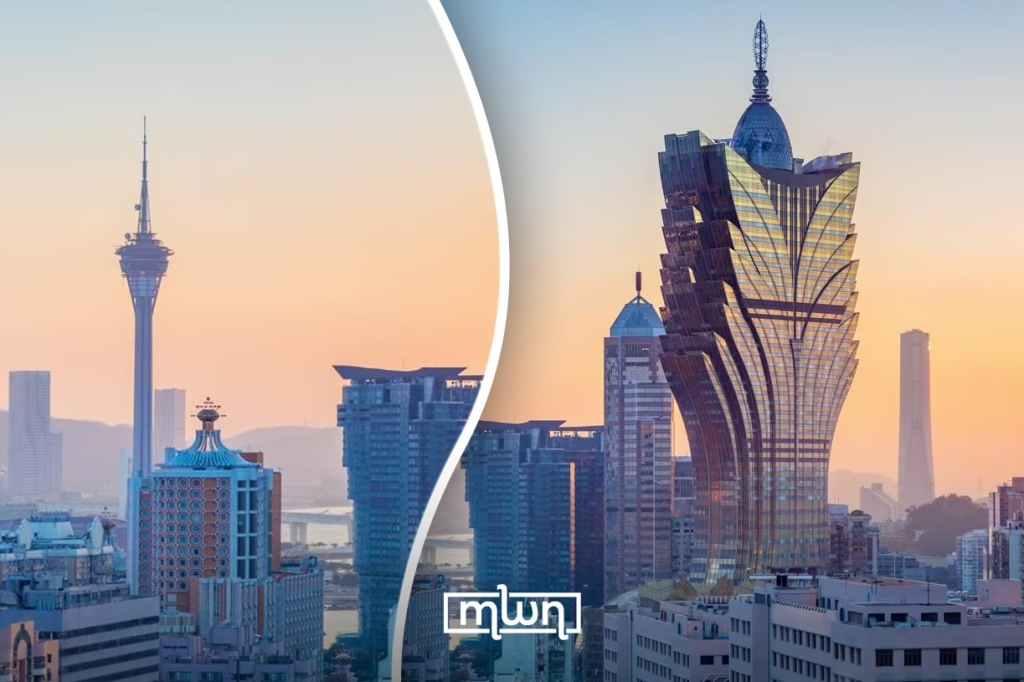
Forget what you know about casinos and dim sum. Macau is not just China’s gambling playground, it’s one of the world’s most underrated cultural mysteries. Fez – For over four centuries, this tiny 33-square-kilometer sliver of land has been quietly staging a historic encounter between empires. A Portuguese foothold on Chinese soil since 1557, Macau evolved into a strange, beautiful chimera, a city where temples sit next to Baroque churches, and dragon dances meet Catholic processions. Macau is now a Special Administrative Region of China, sitting just across the water from Hong Kong and a short trip from Guangzhou. But its soul is far older, messier, and more intriguing than most guidebooks dare to explain. This is not your average tourist city, it’s a living museum of globalization before globalization had a name. Long before fusion cuisine became a thing, Macau had already perfected it. In its kitchens, Chinese stir-fry techniques danced with Portuguese stews. African chicken: a fiery, paprika-heavy dish, was invented here, not in Africa. Bacalhau (salted cod) found a new home next to Cantonese rice noodles. Even egg tarts became something else entirely: Portuguese in crust, but unmistakably Macanese in soul. This culinary crossroads wasn’t just about flavor, it was a survival strategy. Colonial Macau had to keep the Portuguese elite happy while feeding the local Chinese population. The result? Dishes like pork chop buns and crab congee that speak two languages on your palate. It’s easy to think of Macau as a sideshow to Hong Kong’s economic drama, but don’t be fooled, Macau was once the European gateway to China. The Portuguese didn’t just bring spices and Catholicism; they brought diplomacy, piracy, Jesuits, and a wild mix of intentions. It was here that East and West sat awkwardly at the same table, and sometimes fought over who got to light the incense. Before Hong Kong took the spotlight, Macau was the main character. It was the only place in China where Europeans were allowed to settle long-term. Jesuit missionaries like Matteo Ricci used it as a base to enter Beijing’s court, armed with star maps and Western clocks. It wasn’t always peaceful, but it was always weirdly collaborative. Macau’s architecture is a walking contradiction. The ruins of St. Paul’s Cathedral, perhaps the city’s most photographed landmark, stands like a Roman relic, but just behind it, incense coils hang from the ceiling of A-Ma Temple, dedicated to a sea goddess. Fortaleza do Monte, once a fortress protecting the Catholic missionaries, now gives panoramic views over a skyline that looks more Vegas than Vatican. Look closer, and you’ll see traces of colonial tension etched into the cobbled streets. Lovers’ Lane hides between pastel houses, once the homes of Eurasian elites who didn’t fit neatly into either world. Baroque facades conceal family altars. Every square inch of this city has a secret, sometimes sacred, sometimes scandalous. Despite its modern-day casino glamour (which, to be fair, funds most of its economy), Macau still treasures its lesser-known traditions. Nearly 70 practices are now officially recognized as intangible cultural heritage. We’re talking about things like the Drunken Dragon Festival: a surreal parade where shopkeepers pretend to be drunk dragons blessing the fish market. Or the haunting tones of Taoist ritual music echoing through old courtyards. Cantonese opera still thrives here, not as tourist entertainment but as a cherished art. Temples light up with worshippers honoring Mazu, goddess of the sea. And tucked away in alleyways are workshops where woodcarvers shape deities from camphor wood, using techniques passed down for generations. The Portuguese are gone, but not really Portugal handed Macau back to China in 1999, but the city didn’t shed its colonial skin. It wears it like a second language. Street signs are still in Portuguese. Government documents still speak both tongues. The legal system remains rooted in Western jurisprudence. And at the dinner table, the debate between soy sauce and olive oil is never really settled. Macau didn’t become East or West. It chose to be both, in a way that still confuses maps and defies political soundbites. Macau isn’t a time capsule, it’s a trick mirror. It reflects what happens when empires clash, trade, flirt, and eventually learn to live together. It’s where China’s philosophical depth met Europe’s colonial ambition, and both ended up changed forever. You don’t just visit Macau. You uncover it, layer by layer, dish by dish, festival by festival. And if you’re lucky, you leave with more questions than answers. Which is exactly what Macau wants.
Casablanca to Host Major Chinese Fine Arts Exhibition
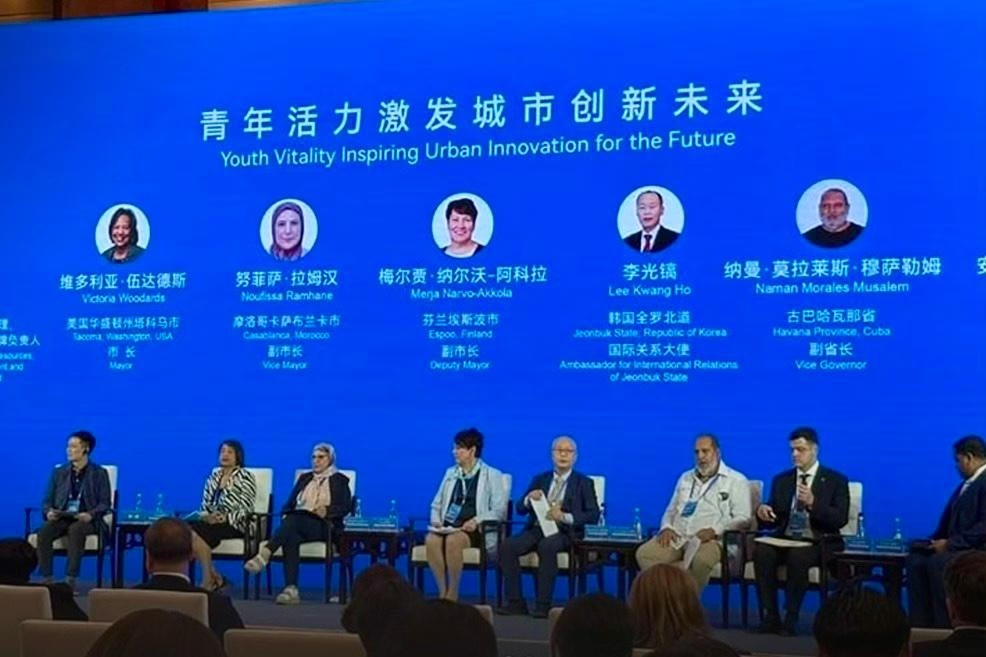
At a time when cities are increasingly playing a role in diplomacy, Casablanca is using art as a tool to connect across continents. Fez – Casablanca is stepping confidently onto the international cultural stage with the upcoming arrival of a major Chinese fine arts exhibition. The city has officially signed a cooperation agreement with the Shanghai Museum of Art Collections, marking the beginning of an exciting artistic exchange that will bring centuries of Chinese craftsmanship to Moroccan audiences. The agreement was signed in Casablanca by the city’s mayor, Nabila Rmili, and He Muqing, president of the Shanghai museum, during a formal ceremony that brought together representatives from both institutions. The exhibition is part of a broader cultural initiative titled “The International Traveling Exhibition of Traditional Chinese Fine Arts – Casablanca Station,” which will feature a curated selection of China’s most exquisite classical art. Far from being a one-off event, this collaboration reflects a growing diplomatic and cultural bond between the two cities. Casablanca and Shanghai, already linked by a sister city relationship, are deepening their ties through mutual appreciation of heritage and creativity. And art, it seems, is proving to be the ideal bridge. The announcement follows Casablanca’s recent participation in the Shanghai Sister Cities Forum, where a Moroccan delegation led by Noufissa Ramhan, Vice President of the Casablanca City Council, represented the city’s interest in global partnerships. A signal of Casablanca’s broader ambitions Bringing together municipalities from across the world,the forum serves as a platform for dialogue, cooperation, and cultural diplomacy. The exhibition agreement is thus more than just an artistic endeavor. It’s a signal of Casablanca’s broader ambitions, to position itself not only as an economic powerhouse but also as a cultural capital open to the world. For locals and tourists alike, the exhibition promises to be a rare visual journey into traditional Chinese aesthetics. While full details of the artworks and timeline are yet to be revealed, the collaboration hints at an immersive experience: scroll paintings, intricate calligraphy, finely carved objects, and perhaps even performance elements that showcase Chinese artistic philosophy. Beyond the art itself, the partnership offers long-term benefits. It opens the door to future exchanges, joint programming, and a steady flow of cultural dialogue between North Africa and East Asia. At a time when cities are increasingly playing a role in diplomacy, Casablanca is using art as a tool to connect across continents. By bringing Shanghai’s treasured art to Moroccan soil, Casablanca is not only hosting an exhibition, it’s telling a story about openness, curiosity, and shared cultural pride. And that story is just beginning. Read also: TikTok Star Khaby Lame Leaves US After Visa Trouble
China Launches World’s First 10G Internet Network and It’s Insanely Fast
While the world blinked, a new digital era was born in a small corner of Hebei. Fez – While most of the world is still fumbling around with 5G and celebrating the occasional four-bar miracle, China has gone full speed ahead literally. In a history-making move, the country has launched the world’s first commercial 10G internet network, and the numbers are almost too good to be true. We’re talking about download speeds nearing 9,834 Mbps, uploads hitting over 1,000 Mbps, and latency so low it practically doesn’t exist (just 3 milliseconds). Yes, you read that right. This is no lab test fantasy; it’s a real-world rollout that just set a brand-new world record. The network is live in Sunan County, nestled in China’s Hebei Province, thanks to a power duo: tech titan Huawei and state-owned telecom operator China Unicom. Together, they’ve taken what’s usually reserved for experimental labs and turned it into a tangible, working infrastructure that makes even today’s best Wi-Fi feel like dial-up. Now, let’s geek out for a second (but in a cool way). This isn’t just fast-for-the-sake-of-fast internet. It’s powered by 50G Passive Optical Network (PON) technology, a fancy term for a very clever system that supercharges existing fiber-optic cables without ripping up streets and starting from scratch. Read also: Poland Launches ‘Chopin Season in Morocco’ with a Concert in Rabat This May Think of it as putting a Formula 1 engine in your everyday sedan. Same car, wildly different experience. The implications? Massive. With speeds like this, we’re talking about instant HD movie downloads (plural), ultra-smooth VR and AR experiences, next-level remote learning, and real-time telemedicine that actually feels real-time. And for industries relying on cloud computing, big data, or smart city tech, this could be a game changer. Interestingly, this lightning-fast network isn’t just about bragging rights (though let’s be honest, they’ve earned them). It’s also part of a broader national strategy. China is investing heavily in “smart” infrastructure, and this 10G leap is a foundational piece of that vision. The network also now live in Xiong’an, a model smart city about 70 miles southwest of Beijing, which suggests this isn’t a one-off stunt, it’s a scalable blueprint for the future. While the rest of us are still rebooting our routers, China’s already living in 2030. The 10G era has officially begun, and the bar for global connectivity just got dramatically higher.
21 Robots Join Beijing Half-Marathon
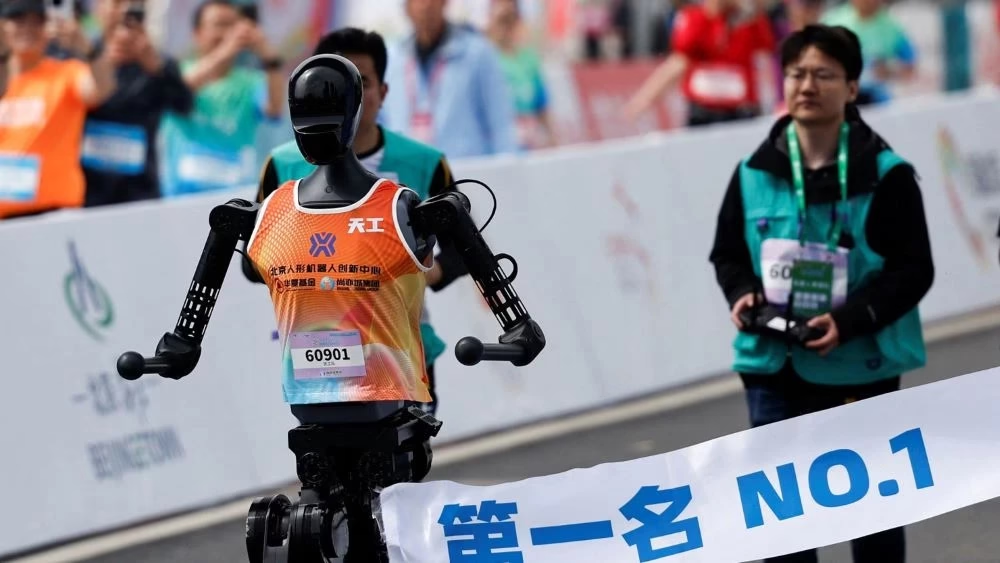
The robots have officially entered the race, literally. Fez – Beijing’s Yizhuang Half-Marathon just made history in what looked more like a scene straight out of a sci-fi movie (but with less CGI and more sneakers). On Saturday, April 20, 21 humanoid robots laced up and joined thousands of human runners on the 21-kilometer route. Machines and people ran side-by-side in a real marathon event for the first time ever, and yes, it was as wonderfully bizarre as it sounds. According to Reuters, the robots came in all shapes and sizes, from under 1.2 meters tall to a full 1.8 meters. Some were designed to look like actual humans, one even boasted a feminine face, capable of winking and smiling. The robot squad wasn’t there just for show. They’d spent weeks in rigorous training, supported by full-on engineering and navigation teams. Beijing officials even likened the event to a Formula 1 race, only with more awkward running and fewer crashes (well, mostly). These robots were developed by companies like DroidUP and Noetix Robotics, with trainers literally running behind them, sometimes holding them up when their circuits had a little too much excitement. One robot sported boxing gloves, another wore a headband with the phrase “Committed to Win” in Chinese. Honestly? Iconic. After 2 hours and 40 minutes of this robo-race, the star of the show was “Tiangong Ultra,” a humanoid marvel from the Beijing Humanoid Robot Innovation Center. Read also: Protoclone: The Creepy-Cool Future of Muscle Robots Is Here Tiangong was powered by long legs, a smart running algorithm, and just three battery swaps, because even robots need pit stops. Meanwhile, the human winner clocked in at 1 hour and 2 minutes. Not bad for someone who doesn’t run on lithium. Beijing’s robot center is partially owned by government-backed firms, but also includes heavyweights like Xiaomi and UBTECH. Their CTO, Tang Jian, didn’t hold back. “I don’t want to brag, but Western robot companies haven’t done this.” Consider the mic dropped. Of course, not all robots crushed it. One collapsed at the starting line and just… lay there for a bit like a robotic damsel in distress. Another sprinted straight into a wall, taking its trainer down with it. Still, after a few hiccups and some dramatic recoveries, most of them managed to finish the course. While some analysts question whether marathon running is really a benchmark of industrial potential, China’s bet is clearly to make humanoid robots a part of the country’s economic future. That said, experts like Oregon State’s Alan Fern think these flashy demos are more entertaining than practical. Still, if the future of robotics includes headbands, sneakers, and sass, we’re here for it.
China’s Most Famous Replicas
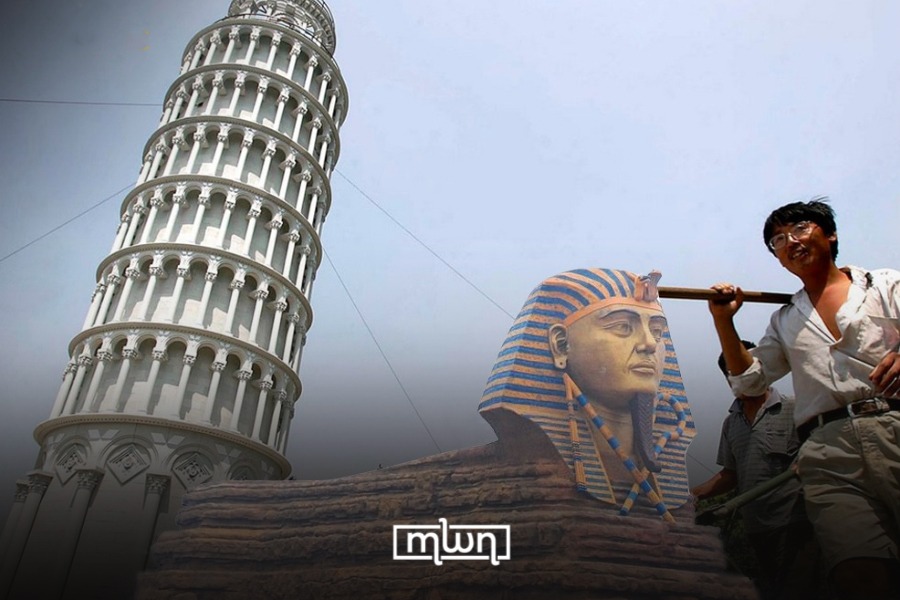
If imitation is the sincerest form of flattery, then one country might just be the biggest fan of world architecture. Fez – China has become known for replicating famous landmarks from around the world. These copies range from architectural marvels like the Sydney Opera House to historical monuments like the Colosseum. Some of these replicas serve as entertainment attractions, while others function as government buildings or residential areas. While some criticize these replicas as inauthentic imitations, architecture has always borrowed elements from different cultures. For example, the White House in Washington, DC shares similarities with the Irish Parliament in Dublin, which was influenced by Roman architecture. Here are eight of the most famous replicas found across China: ‘The White House’ – Hangzhou In Hangzhou, businessman Huang Qiaoling built an exact copy of the US White House, complete with an Oval Office and a gallery of American presidents. His estate also features mini versions of Mount Rushmore and the Washington Monument. This replica has become a tourist attraction, even drawing a visit from former US President George W. Bush in 2002. ‘The Great Sphinx of Giza’ – Chuzhou, Anhui Province For thousands of years, Egypt’s Great Sphinx stood alone. That changed when a full-scale replica appeared in an entertainment park in Chuzhou, China. This modern version of the iconic monument has drawn both admiration and controversy. Austria’s ‘Hallstatt’ – Huizhou, Guangdong Province The town of Hallstatt in Austria, a UNESCO World Heritage site, is known for its stunning lakeside scenery. In 2012, a Chinese corporation spent $1 billion to create a near-exact replica in Huizhou, complete with European-style houses, cobblestone streets, and a church modeled after the original. ‘The Kremlin’ – Beijing, Mentougou District Beijing’s Mentougou district is home to a building that closely resembles Moscow’s Kremlin. The Chinese version serves as a government office, and houses departments like the local weather bureau. The project had a price tag of approximately 9.34 million yuan (USD 1.54 million). ‘The Colosseum’ – Macau Macau, China’s only city where gambling is legal, features a replica of Rome’s renowned Colosseum. Located in the Fisherman’s Wharf amusement park, the structure is not a full-scale copy but still captures the essence of the ancient Roman arena. ‘Chateau Maisons-Laffitte’ – Beijing Originally designed by French architect François Mansart in the 17th century, the Chateau Maisons-Laffitte now has a Chinese twin. The Beijing version, known as the Chateau Laffitte Hotel, blends European elegance with modern luxury. ‘Karnak Temple’ – Wuhan, Hubei Province Egypt’s Karnak Temple, one of the world’s most famous ancient sites, has an unexpected twin in Wuhan. This replica stands inside Wanguo Park, an abandoned theme park intended to showcase global architecture. Various English towns – Songjiang, Shanghai China hasn’t only copied individual landmarks; it has recreated entire towns. Thames Town, just 40 minutes from downtown Shanghai, was designed to resemble a classic English village. While many homes were bought by wealthy investors, the town remains largely unoccupied, earning it the nickname of a “ghost town.” China’s fascination with replicas reflects both admiration and ambition. These structures allow locals and tourists to experience world-famous landmarks without traveling abroad. While opinions on these copies vary, they exhibit the country’s unique approach to blending global culture with Chinese development. Read also: A Girl’s Guide to Relationships