Mahassine Mrabet Joins Season 7 of ‘Resurrection: Osman’

The Moroccan actress Mahassine Lamrabat will join the cast of the historical fiction Turkish series.
Moroccan Streamer Pokimane Makes Time Magazine Top 100 Creators List

Selected candidates were primarily English-language creators, who had built their careers primarily from digital platforms.
Chaibia Talal: The Self-Taught Moroccan Art Icon
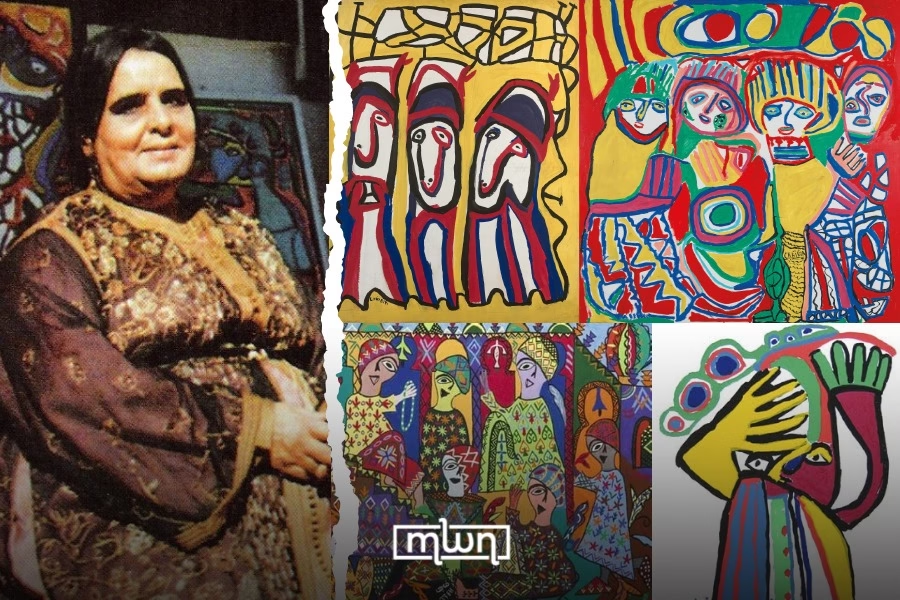
She never went to art school, yet this Moroccan legend’s work hung beside Picasso’s. Here is her story. Fez– Some artists don’t need formal training to make history, and Chaibia Talal is proof of that. Rising from a life of hardship, she became an internationally celebrated painter known for her spontaneous and deeply expressive style. Talal broke barriers in Morocco and beyond, paving the way for the recognition of self-taught artists who defy academic classifications. Humble beginnings Born in 1929 in the village of Chtouka, near Azemmour, Morocco, Chaibia’s early years were shaped by rural landscapes and the Atlantic coast. However, her childhood was cut short; at just seven years old, she was sent to live with her uncle in Casablanca. By 13, she was married. By 15, she was widowed and left to raise her son alone. A late but explosive start Chaibia never had the chance to attend school or receive any formal art training. But her mind was a vault of childhood memories, dreams, and rural scenery, waiting to be unleashed onto the canvas. It was her son’s school drawings that reignited her buried desire to express herself. She bought painting supplies and began experimenting after long days of working as a housemaid to support her son. Art became her escape, her passion, and, ultimately, her destiny. Chaibia’s big break came in 1965 when French art critic Pierre Gaudibert, director of the Museum of Modern Art in Paris, was visiting her son, a young painter named Hossein Talal. During that time, Gaudibert discovered Chaibia’s work and was captivated. A year later, she held her first exhibitions: one in Casablanca, followed by two in Paris. Her colorful, unfiltered, and emotionally charged paintings soon found their place in some of the world’s most prestigious galleries. She has exhibited alongside legends like Picasso and Miró, a remarkable feat for a self-taught artist. While Western critics embraced her art enthusiastically, Moroccan critics were initially dismissive, labeling her work as naive and lacking technical depth. But over time, her authenticity and raw talent won over even the harshest skeptics. Her paintings, inspired by her childhood, nature, and human emotions, carried a unique signature: vivid colors, bold forms, and an instinctive storytelling style. From Denmark to Spain, Germany to Switzerland, her exhibitions took her across continents, cementing her status as a global artistic icon. Awards and legacy In recognition of her impact, Chaibia received the Gold Medal from the French Academic Society of Education. She was also featured in prestigious art references like the Larousse Dictionary of World Art and the Benezit Dictionary of Artists. Her works became part of major collections in France, Italy, Japan, Switzerland, India, Australia, the UK, and the United States. Chaibia Talal passed away on April 3, 2004, but her legacy lives on. She redefined what it means to be an artist, proving that talent, passion, and perseverance can outshine any formal education. Read also: The Secrets of Musk: Origins, Extraction, and Its Timeless Allure
The Material Obsessions of Moroccan Women
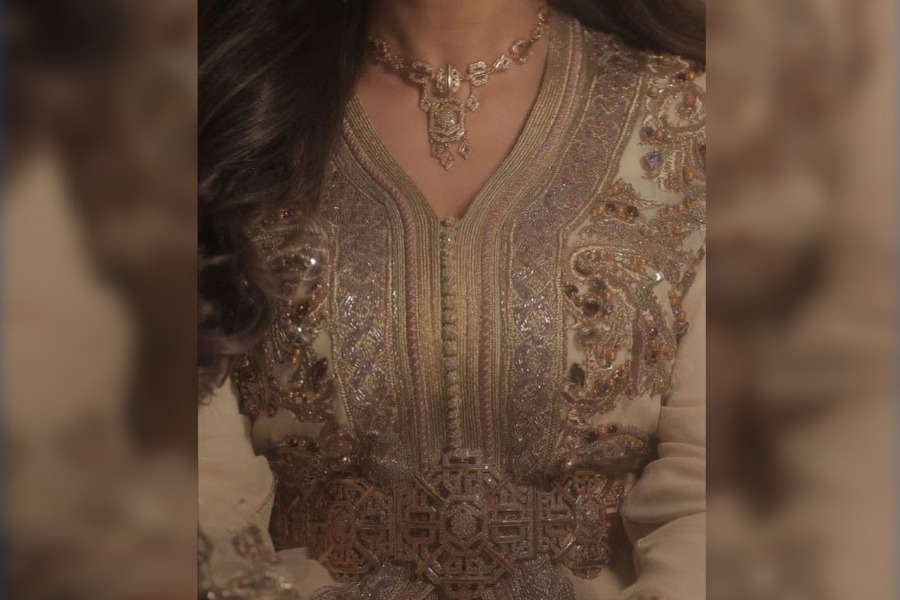
For Moroccan women, luxury isn’t only an indulgence, it’s an art form. Fez – Moroccan women have a deep appreciation for beauty, luxury, and tradition. From gold jewelry to extravagant home decor, their love for certain material things is more than just a trend, it’s a part of their identity. Whether it’s an investment, a cultural staple, or simply a statement of elegance, these obsessions define their style and lifestyle. Gold jewelry Gold is more than just an accessory for Moroccan women, it’s a legacy. Whether gifted at weddings or carefully collected over the years, gold is seen as both a symbol of beauty and financial security. Large, beautiful bracelets, rings, and earrings are worn proudly, and no special occasion is complete without them. Perfume and musk Moroccan women take their scents seriously. From deep, woody ouds to soft floral fragrances, perfume is a must-have in every routine. Musk, in particular, holds a special place, often used after showers or before bed to leave a lasting, luxurious scent. A Moroccan woman’s presence isn’t just seen, it’s smelled before she even enters a room. Luxury caftans A Moroccan woman’s wardrobe is never complete without stunning caftans. These Moroccan traditional dresses, often embroidered with gold or silver threads, are worn at weddings, celebrations, and special occasions. Owning a beautifully crafted caftan is about preserving heritage while making a grand entrance. Fancy tea sets Moroccan tea culture is sacred, and so is the art of serving it. Women take pride in owning a beautifully designed “berrad” (teapot) and accompanying glasses, often made of engraved silver or colorful hand-painted glass. A proper tea set is a must-have for entertaining guests in true Moroccan style. Moroccan salon and decor A Moroccan woman’s home is her palace, and the salon (living room) is its crown jewel. From handwoven rugs to carved wooden furniture, every detail is carefully selected to impress guests. Plush cushions, golden chandeliers, and intricate zellige tiles make Moroccan interiors stand out, reflecting both tradition and modern luxury. High-quality bed linens and fabrics Many Moroccan women also love luxurious bed linens and home textiles. Silk, satin, and high-thread-count cotton sheets are must-haves for a well-made bed. Embroidered pillowcases and sheets with Terz Fassi are carefully chosen to add a touch of heritage, culture and elegance all at once to every corner of the home. Skincare and natural beauty products Moroccan women swear by natural beauty remedies. Argan oil, rose water, “ghassoul” clay, and black soap are essentials in every skincare routine. Passed down through generations, these beauty secrets keep their skin radiant and youthful. Beyond these obsessions, every Moroccan woman has her own favorite luxury. More than just goods, they embody cultural identity and heritage. Read also: Unspoken Cultural Rules Moroccans Follow Without Question
Moroccan Mothers’ Secret Weapon Against Evil
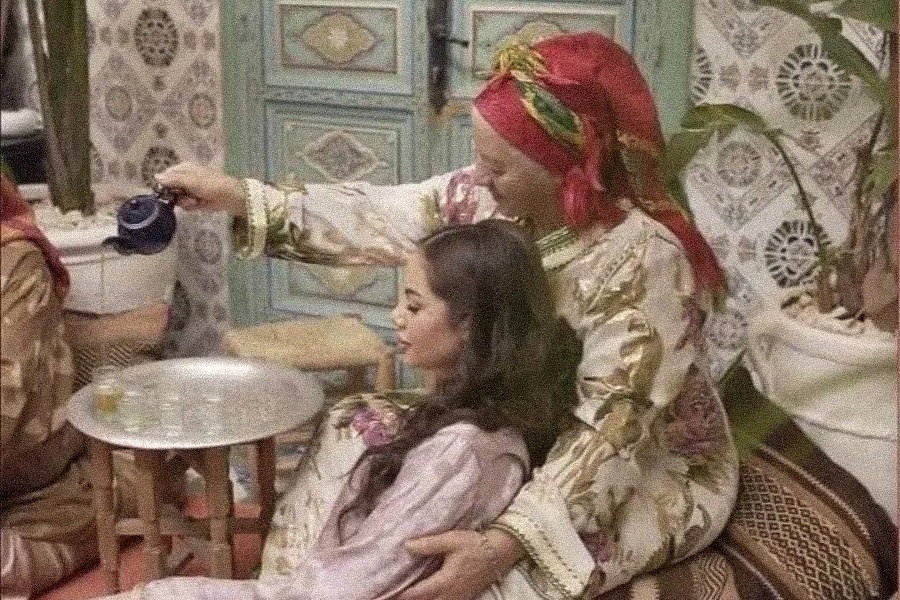
In Morocco, the fight against envy sometimes starts with the softest gesture from a mother. Fez – Some things happen so fast, you miss them. A mother adjusting her child’s shirt. A small gesture near the shoulder. The flick of her fingers. And then, just like that, the mother steps back, proud and relieved. In Morocco, many mothers carry secrets passed from their mothers and grandmothers before them. One of these secrets hides in a simple act: spitting, gently, on a child’s clothes. It’s not visible, not loud, but it holds the weight of centuries of fear, love, and protection. This habit lives deep in Moroccan culture. It comes from the ancient belief that envy, or “l’ayn”, can destroy everything good. A child’s beauty, health, and success can attract jealous eyes. Those eyes might not even mean harm, but the belief says envy travels like invisible arrows, piercing innocence and leaving sickness, bad luck, or endless crying behind. Mothers, the eternal guardians, have created their own shield. This light spit works like a secret barrier. It mixes the mother’s own spirit with her child’s fate. It’s not random. It always lands near the heart, the back, or the shoulder, places believed to catch envy first. This spit carries love, but also something stronger. In Morocco, saliva holds meaning. People believe it can hold “baraka” (blessing) when it comes from a loved one. At the same time, it can hold a secret power when used to curse or protect. The mother’s spit is pure intention, a message to the unseen world that says you cannot touch this child. Older generations say this tradition existed before Islam reached Morocco. Amazigh tribes used saliva in healing rituals and protective spells. Even today, in some villages, healers sometimes blow softly on water before offering it to drink, mixing breath, saliva, and prayer. In big cities, the habit fades. Modern mothers fear judgement. They might touch their child’s shoulder or chest and whisper a “mashallah” hiding the spit within a kiss or a hug. The intention stays the same “to protect” even if the gesture hides behind modern manners. What makes this custom powerful isn’t the spit itself. It’s what lies beneath it. The belief that a mother’s spirit can shield her child. The fear that happiness is too bright, too loud, too visible. The love that turns into quiet rituals small enough to miss, but strong enough to last. So next time you see a Moroccan mother fixing her child’s shirt, look closer. You might witness a piece of ancient magic, wrapped inside a simple, loving touch. Read also: The Cherished Role of the ‘Naffar’ During Ramadan
Moroccan Families vs. Personal Space
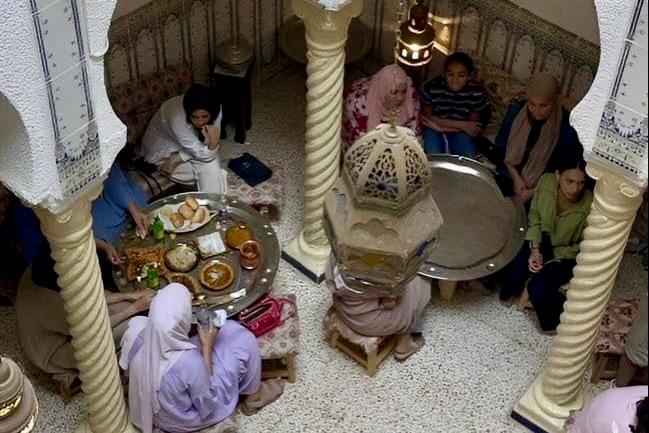
Do some Moroccan families really know where to draw the line between care and control? Fez– In a Moroccan home, privacy is not always a right, it’s something you negotiate for, day by day. Walls are thin, doors rarely lock, and personal space? That’s just a Western fantasy to most families. From the moment you wake up, you’re never really alone. Your bedroom door is knocked on (or just opened), your phone might get a glance if left unattended, and your choices, from what you wear to who you call , are often open for discussion. It’s not always controlling, but it’s there, that invisible presence of family watching, caring, and sometimes crossing the line without even realizing it. For generations, Moroccan families have been built on the idea of closeness. It’s love, protection, and tradition all mixed into one. Meals are shared, secrets aren’t really secrets, and everyone somehow knows what’s happening in each other’s lives. In theory, it sounds beautiful, a big family that’s always there for you. In reality, it’s exhausting. Because where do you go when you just need to breathe? Where do you hide when you’re not ready to explain why you’re upset, or why you spent an hour on the phone with someone your parents don’t know? Privacy is not a sign of rebellion, but in many homes, it’s treated like one. If you close your door for too long, they ask why. If you lock it, they assume the worst. The simple desire to be alone becomes suspicious, almost offensive. It’s not that Moroccan families don’t love their children, they do, fiercely. But somewhere along the way, love and control became tangled, and personal space got lost in the process. Parents were raised without it, so they don’t always understand why their children crave it now. They see privacy as distance, and distance feels like rejection. But times have changed. Young Moroccans are growing up in a world where independence matters. Social media gave them private lives online, and they want that offline too. They want to close their doors without guilt, to own diaries no one reads, to make choices without explaining every detail. Not because they’re hiding something, but because they’re human. Privacy isn’t a luxury. It’s oxygen. It’s the space to think, to feel, to exist as an individual before returning to the family unit. Moroccan families aren’t toxic, but they do need to learn that closeness and personal space can exist together. Love doesn’t disappear when you close the door. Sometimes, it gets stronger. It’s time to stop treating privacy like a problem. It’s time to understand it’s part of growing up, and part of love itself. Read also: The Cherished Role of the ‘Naffar’ During Ramadan
The Influence of Moroccan Royalty on Modern Elegance
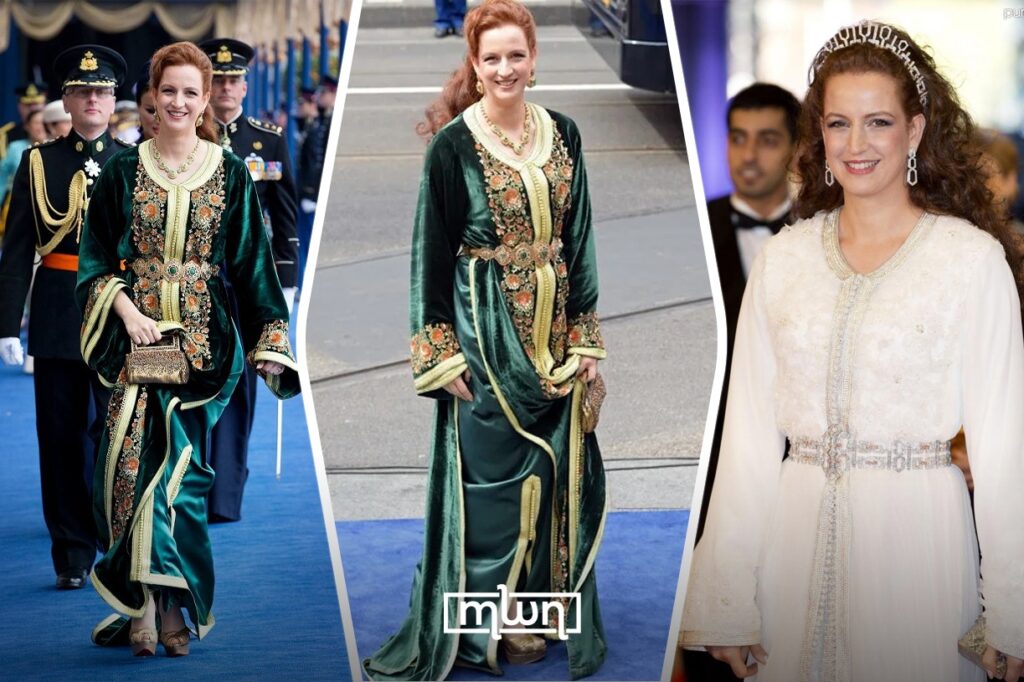
Elegance in Morocco is not just about what you wear, but the subtle ways the past continues to inspire the present. Fez – Moroccan royalty has long been admired for its timeless elegance, setting a standard many Moroccan women follow today. From the captivating style of Princess Lalla Salma to the regal traditions of the royal family, the influence of Moroccan royalty on modern fashion is undeniable. Their grace and sophistication have shaped not only the country’s fashion scene but also how Moroccan women express their own personal elegance. The royal family, especially in recent years, has been at the forefront of fashion, showcasing a blend of tradition and modernity. Princess Lalla Salma is a prime example. Her style is both bold and graceful, mixing traditional Moroccan garments with contemporary European trends. She often wears the caftan, but with a modern twist, adding contemporary accessories, luxurious fabrics, and an impeccable fit. This has inspired many women across Morocco to embrace the caftan, not just as a symbol of tradition, but as a versatile piece for various occasions, from weddings to formal gatherings. The influence of Moroccan royalty goes beyond just clothing. It extends to how Moroccan women present themselves with confidence and poise. Royal women, especially Princess Lalla Salma, have always been seen as models of elegance in their mannerisms and demeanor. Their ability to carry themselves with such calm, grace, and dignity sets a high standard for Moroccan women. They show that elegance isn’t only about appearance; it’s also about how one carries oneself in public. Moroccan women often look up to these figures as examples of how to blend style with respect, culture, and confidence. The royal family’s attention to detail in their public appearances also influences Moroccan women’s approach to beauty. Moroccan women are known for their love of skincare, beauty rituals, and grooming, much of which has roots in royal traditions. For example, the use of argan oil for skincare and haircare has been a beauty secret passed down through generations, gaining global recognition today. Women who follow the royal family’s example often incorporate these practices into their own routines, achieving a natural yet polished look. The royal family also plays a significant role in promoting Moroccan craftsmanship and local artisans. The royal use of handcrafted caftans and “cherbil” promotes Moroccan heritage, craftsmanship, traditions, and culture and connects modern fashion with Morocco’s rich cultural history. Moroccan royalty has shown that elegance is about more than just following trends, it’s about embracing one’s heritage, carrying oneself with dignity, and celebrating local craftsmanship. Their influence continues to shape how Moroccan women view elegance in today’s world, reminding them that true style comes from within. Read also: The Traditional Riads of Morocco: A Blend of History and Modernity
The Intricate Art of Moroccan Carpets
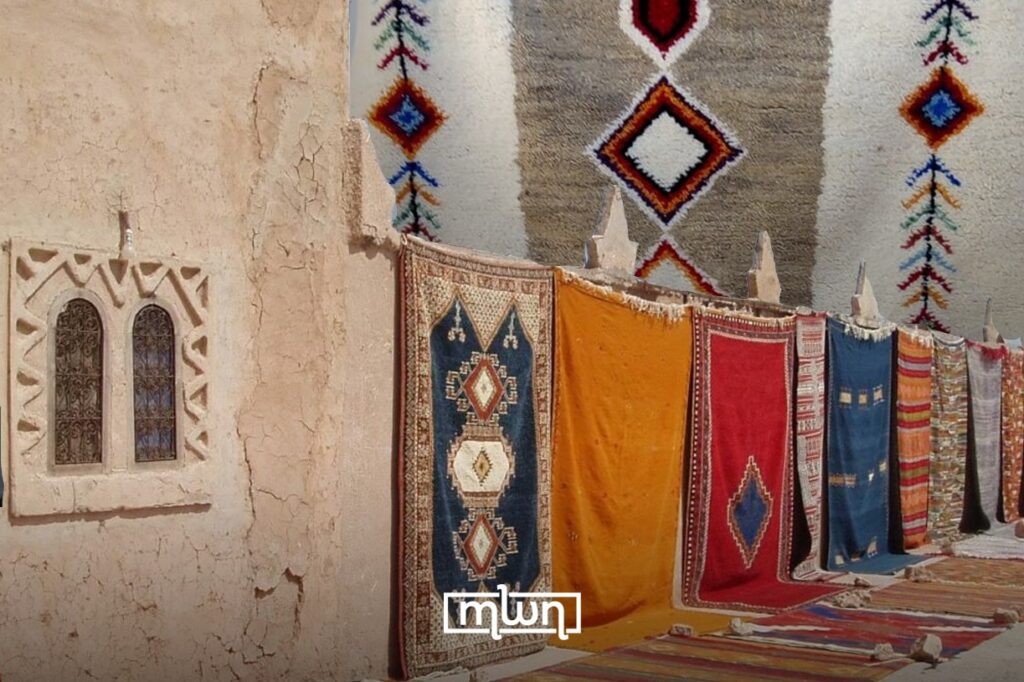
At first glance, it’s just wool and color. But look closer, and you’ll find history, tradition, and an unspoken language only a few can truly understand. Fez–Moroccan carpets are one of the country’s most beautiful and important traditional crafts. Each type of carpet is linked to a specific region, carrying unique colors and tribal symbols that reflect its origins. This rich diversity has made Moroccan carpets a cultural treasure, but today, the industry faces serious challenges. For generations, Moroccan carpets were a household essential, found in almost every home. However, demand has significantly declined. Fewer artisans are dedicating themselves to this craft, threatening the survival of this ancient tradition. Carpets from Fez, the Atlas Mountains, Marrakech, and the eastern regions of Morocco all have distinct characteristics. Some even bear the names of the tribes that created them, such as the Mediouna, Krouane, Ait Youssi, and Beni Mtir carpets. Despite their differences in patterns and colors, most Moroccan carpets share common features. They are handwoven using pure wool and decorated with simple geometric shapes like triangles, squares, and zigzag lines. The Middle Atlas carpets are known for their thick, rough texture, reflecting the harsh climate of the region. They are made from coarse wool and usually have a white base with colorful patterns. Carpets from Marrakech and the Haouz region are famous for their delicate designs and artistic motifs. Meanwhile, carpets from eastern Morocco often feature floral patterns with fine details, made from a blend of wool, goat hair, or camel wool. In some Moroccan cities, traditional carpets remain highly valued, especially among wealthy families who use them for major gatherings and celebrations. Urban carpets, such as the famous Rabat carpet, are admired for their precision and craftsmanship. These carpets, made in specialized workshops, contain up to 160 knots per square meter. Their designs feature a dominant red background, complemented by pink shades and embroidered motifs of flowers and birds. These luxurious carpets have long been associated with palaces, high-end residences, and luxury hotels. Carpet weaving in Morocco has traditionally been a women’s craft, passed down through generations. In rural villages, women weave carpets in their homes using natural wool dyed with local ingredients like herbs, pomegranate, and henna. They create intricate designs without pre-drawn sketches, relying solely on their inherited skills and creativity. Despite its economic importance in some regions, many female artisans struggle to earn fair wages. Middlemen and traders dominate the market, making carpets more of a tourist product than an accessible item for Moroccan households. High prices have pushed many locals to opt for factory-made alternatives instead. The Moroccan government has launched initiatives to support traditional crafts, including carpet weaving. These efforts include financial aid, training programs, and the promotion of cooperatives. However, the industry still faces major obstacles. Open market policies have introduced foreign carpets, particularly from Turkiye and China, which are mass-produced and sold at much lower prices. Additionally, a few powerful traders in Fez and Rabat control access to national and international markets, making it difficult for smaller artisans to compete. Despite these challenges, traditional Moroccan carpets remain a symbol of beauty and hospitality. Even with rising prices, they continue to hold a special place in Moroccan homes, especially in guest rooms where they add warmth and elegance. Over time, Moroccan carpets have reflected a blend of cultural influences, from Berber and Andalusian traditions to African and Islamic artistry. As modern lifestyles change, the future of Moroccan carpets depends on efforts to preserve this ancient craft while making it accessible to new generations. Without stronger support, an art form that has defined Moroccan culture for centuries may continue to unravel and eventually fade away. Read also: How Everyday Life Differs Between Morocco and Another Country
The Brides’ Hammam Ritual: A Shared Experience in Moroccan Womanhood
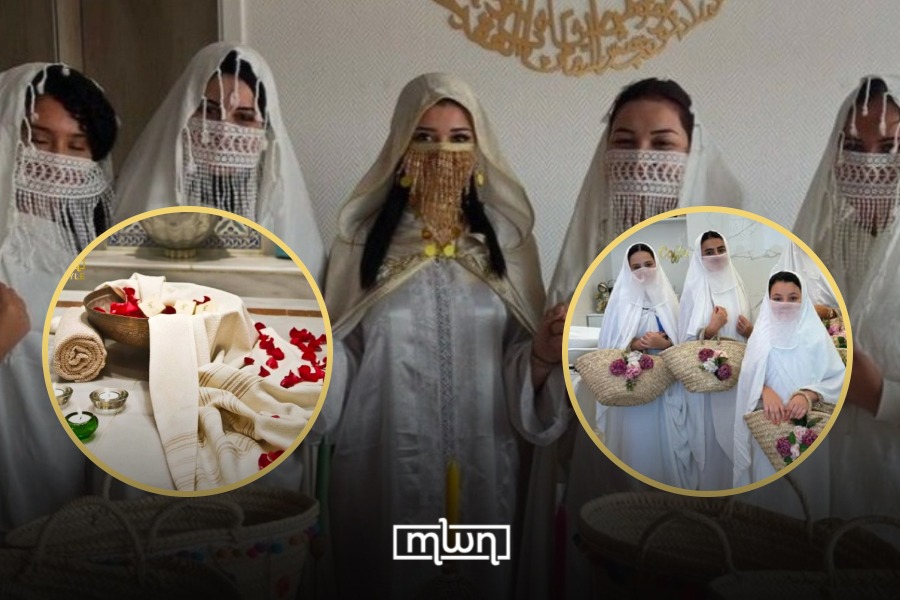
What happens behind the walls of the Moroccan hammam remains an enigma to many, but for brides, it’s a rite of passage. Fez – The Moroccan hammam, a traditional steam bath house, is more than a place to cleanse oneself – t it is a significant ritual filled with symbolism, community, and preparation for their new journey. This cherished tradition combines beauty, spirituality, and cultural heritage, and is often a vital step to mark important Moroccan life events – especially weddings. Moroccan brides take part in this communal ritual with close girlfriends and family members. Together, they visit the hammam, where the warm, soothing steam helps the bride relax and prepares her skin for traditional treatments. These treatments include natural masks and scrubs made from ingredients like black soap and ghassoul clay, known for their purifying and brightening properties. The aim is to leave the bride’s skin glowing and rejuvenated for her big day. Upon arriving at the hammam, the bride carries a cone of sugar as a gift for the hammam attendant, or “Tayyaba.” This gesture is both a token of respect and a way to ensure blessings for the bride’s new life. Her entrance is met with “zaghareet” (ululations) performed by her friends to celebrate this milestone and add a festive atmosphere to the ritual. In Moroccan culture, the hammam is also a space for spiritual protection. To ward off envy or negative energy, a friend will enter the hammam ahead of the bride. During the bath, the bride lights a candle, a symbolic act that represents her hopes for a bright and fortunate future. She must complete her bath before the candle burns out, as is custom for this important symbolic gesture. The ritual concludes with the use of incense, or “bkhour”, which the bride uses to shield herself from the evil eye and negativity. As the fragrant smoke envelops her, it signifies the completion of her spiritual and physical purification. By the time the bride finishes, she emerges radiant and ready for her wedding day. This tradition goes beyond personal care; it is a moment of bonding and joy among women, reflecting the values of community and support. A visit to the hammam ritual remains a vital part of Morocco’s marriage rituals. A beautiful blend of practical beauty practices and deep cultural meaning, this experience continues to be passed down through generations. Read also: Cafe Grec at Marrakech’s M Avenue Delivers Authentic Greek Flavors