Traditional Moroccan Sports
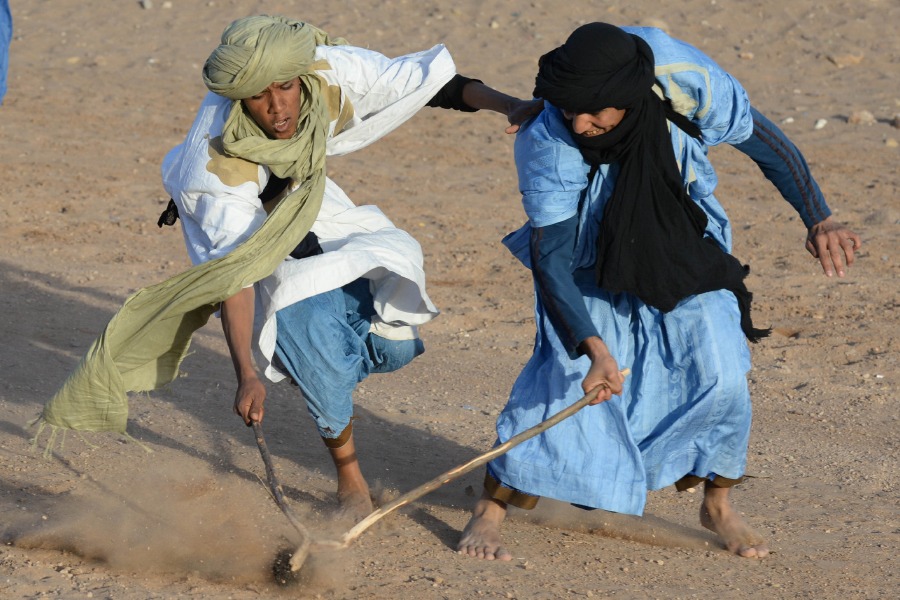
As Morocco races toward modernity, its traditional sports are struggling to keep up. Can they survive the test of time? Fez– Not so long ago, traditional sports held a special place in Moroccan culture. They weren’t just for fun, they were a way to bring people together, teach values like teamwork and respect, and strengthen community ties. But with modern life moving at full speed, many of these sports are disappearing. Some rural areas still fight to keep them alive through annual festivals, local clubs, and informal gatherings. Types of traditional sports Traditional Moroccan sports fall into two main categories: those that involve animals and those that rely entirely on human skill. Sports involving animals: Tbourida (Fantasia) This famous equestrian sport is a dazzling display of horsemanship and synchronized gunfire. Originally a military training technique, it has evolved into a competitive sport and a major attraction at festivals, with riders in colorful traditional outfits charging forward before firing their rifles in perfect unison. Camel racing Popular in Morocco’s southern regions, camel racing is a high-speed competition held on sandy tracks. Riders urge their camels forward in a test of endurance, skill, and strategy. It remains a key feature of events like the Tan-Tan Festival. Mata Played in northern Morocco, Mata is a fast-paced game where two teams compete to seize a decorated doll called “the bride.” The goal is to carry it back to their tribe while dodging opponents on horseback. It requires quick thinking, agility, and teamwork. Falconry Practiced mainly in the Doukkala region, falconry is an ancient hunting tradition where trained falcons are released to catch prey like rabbits and partridges. It’s a sport that demands patience, precision, and a deep bond between hunter and bird. Sloughi hunting In the Moroccan countryside, hunting with Sloughi dogs is both a sport and a cultural tradition. These sleek, fast hounds chase down rabbits, competing to be the first to catch them. Some regions even hold Sloughi races to test their speed and endurance. Sports based on human strength and skill Archery and shooting Historically, archery was an essential skill for Moroccan warriors. Over time, it transformed into a sport where participants use rifles or handmade bows to hit distant targets. Khbit Chara A precision shooting game played in the desert, where marksmen aim at small, hard-to-hit objects like metal plates or stones placed far away. It requires extreme focus and accuracy. Meshkah A traditional game similar to hockey, played with wooden sticks and a handmade ball. Two teams compete to score the most goals on a field with goalposts and boundary lines. Jbad lhbel (Tug-of-War) A test of raw strength and teamwork, this game involves two teams pulling on opposite ends of a thick rope. The team that drags the other across a marked line wins. Korara A wrestling-style sport, similar to judo, where the goal is to lift an opponent off the ground and throw them inside a circular ring. Ardoukh A game that combines wrestling and strategy, where players try to lock their opponents in a hold and force them to the ground. The fight to keep these sports alive Once widespread, many of these sports are now fading into history. They were once a key part of childhood, courtship rituals, and social gatherings, but today, fewer young people practice them. While some festivals and associations are working to preserve these traditions, without greater efforts, Morocco risks losing a rich and unique part of its cultural heritage. Read also: How Morocco’s Youth Are Redefining Ramadan Traditions with Social Media
The Clay Jars That Kept Thirst Away
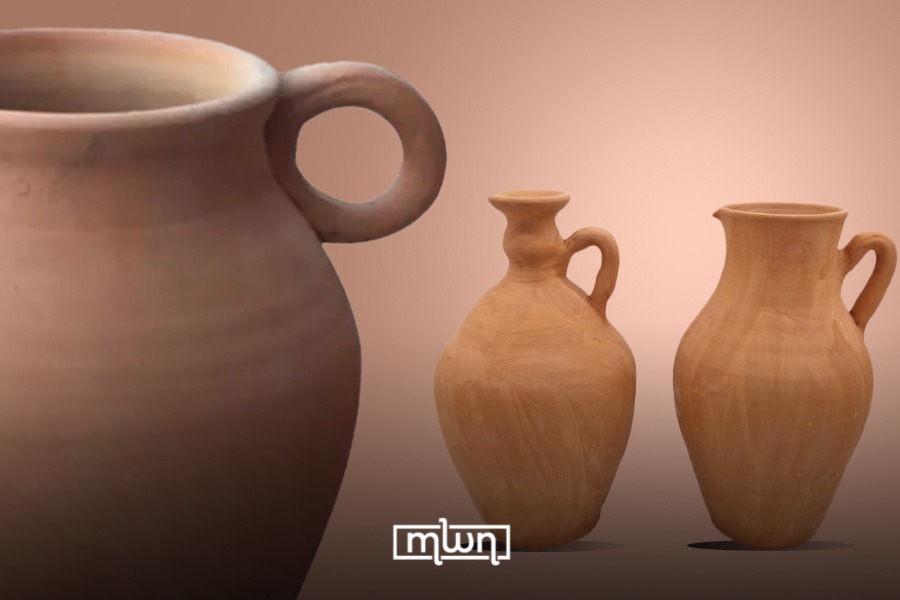
Long before modern cooling systems, Morocco had a water tradition so simple yet so perfect it deserves to be remembered. Fez– Not too long ago, before refrigerators took over Moroccan homes, Moroccan families relied on something far more traditional to keep their water cool: the khabia. This large clay jar, placed in the shade and coated with a layer of a thin of tar, preserved water’s freshness while giving it a unique, refreshing taste. Next to it, a smaller version called the Qola served the same purpose, often found in homes, shops, and even on the streets for passersby to quench their thirst. Every old neighborhood in Morocco had its khabiat, tucked away in cool corners, shaded alleys, or beneath tree trunks. In the scorching heat of summer, they were a lifeline for anyone needing a sip of cold water. Children eagerly took on the task of refilling them, carrying buckets from the communal saqaya (public water fountain) to ensure the jars never ran dry. It wasn’t just about drinking water, it was an act of kindness, a silent bond that tied communities together. Back then, neighborhoods felt like extended families. Every home was open, and a child could enter any house, drink from its khabia, and leave without a second thought. There were no taps inside houses, no bottled water, and certainly no fancy cooling machines. Instead, there was the khabia, the qola, and a handful of simple yet joyful childhood games. But the khabia wasn’t just a household staple; it played a crucial role in Morocco’s public life. In a beautiful tradition now nearly extinct, generous residents would place a large khabia on the roadside, filling it daily with fresh, cool water for anyone passing by. Covered with damp burlap to help the water cool and shaded by tree branches, these clay jars became a refuge for the thirsty, a silent act of charity for the sake of goodness and remembrance of loved ones. A small clay cup, glazed with tar, was always placed on top, inviting strangers to drink and pray for the soul of the one who provided it. Today, the khabia has largely disappeared and has been replaced by modern technology. Some still keep it for decoration or for preserving olive oil, honey, or pickled olives. A few, however, remain loyal to its charm, swearing by the unmatched taste of water stored in clay. And while the world moves forward, Morocco’s old streets whisper stories of a time when water wasn’t just a necessity but a gesture of love, a tradition of giving, and a piece of heritage now fading into memory. Read also: Moroccan Street Vendors: The Real Masters of Marketing
Ancient Moroccan Rituals to Keep the Peace
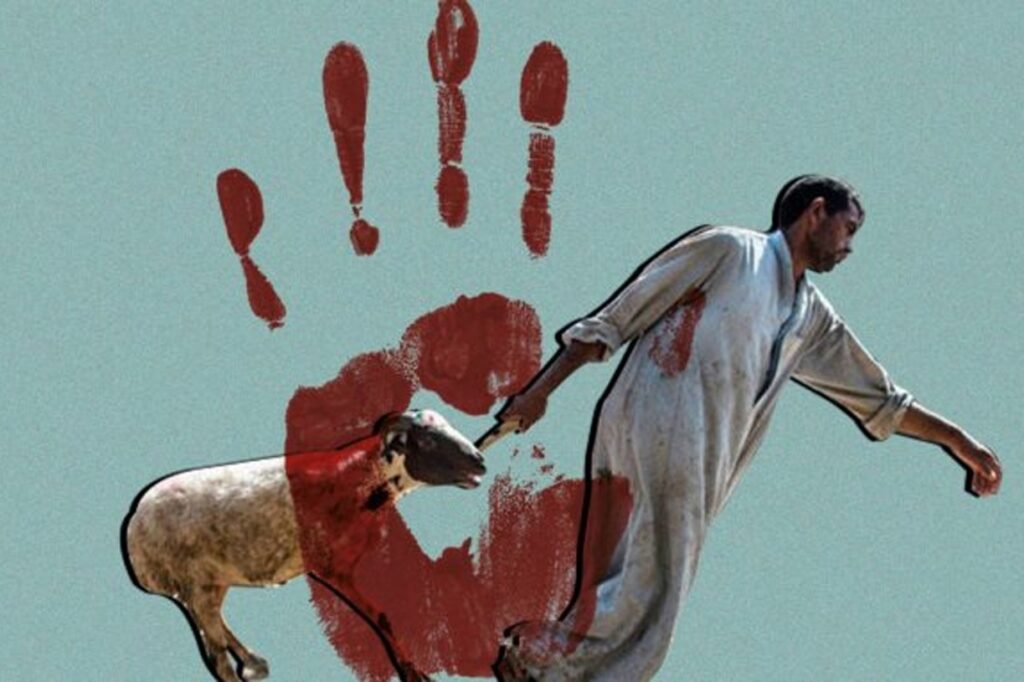
Long before formal laws, Moroccans relied on sacred traditions to resolve disputes and maintain peace in a world of complex social dynamics. Fez – The Moroccan culture is rich with various ancient rituals and customs that manage conflict, preventing them from escalating to dangerous levels. Rituals like seeking protection through social practices and curses or moral judgements play a vital role in maintaining social peace, offering a way to redefine the positions of conflict and create new negotiation grounds. ‘Al-Aar’: The conditional curse In Moroccan tradition, the term Al-Aar is synonymous with seeking refuge and protection. Under Al-Aar, the person granting refuge is under moral pressure to meet the request of the person seeking protection. However, it has many other meanings. Moroccans traditionally avoid refusing Al-Aar due to the belief that rejecting it invites divine punishment, which may affect the individual, their wealth, or their family. Another interpretation sees Al-Aar as a social stigma. It involves a moral failure for not helping those who ask for assistance, especially when they have no means of survival. This aligns with the idea of preserving honor, something that plays a key role in maintaining societal cohesion. The act of “casting the curse” or “rami al-Aar” is used in situations to either request help against aggression or to seek justice for wrongs. This ritual has its own set of specific practices, such as presenting a sacrifice or invoking “Taarguiba”, as we will see in the following section. The use of this ritual continues today, particularly in politics. During elections in rural areas, candidates even use this “curse” of Al-Aar to gain the support of influential figures in their communities. Overall, Al-Aar intersects with practices like “Zouag”, which is also a social as a means for protection and seeking refuge in times of conflict. Both rituals were tools used by traditional societies to mitigate violence and maintain necessary societal balances, especially when state power was lacking. ‘Taarguiba’: How blood seals peace and resolves disputes The origin of the term “Taarguiba” is connected to the action of “cutting the tendon.” In the past, people would deliberately sever the tendon of an animal’s leg as part of a ritual used to symbolize submission and the need for protection. This ritual is typically associated with specific occasions that are linked to requests for mediation or Al-Aar, and is less utilized today than Al-Aar. Historically, the practice of Taarguiba was powerful in solving disputes and making peace, particularly when associated with a blood sacrifice, which adds strength and validity to the plea for help. The person seeking refuge or justice would “cast the curse” onto the individual or group they are appealing to, adding weight to their request by invoking local beliefs about divine retribution if their plea is not answered. This ritual is often performed in situations of serious conflict, such as murder, where the perpetrator would present themselves before the victim’s family in hopes of reconciliation. In some cases, even entire indigenous tribes resorted to Taarguiba when they sought aid from another tribe during conflict. In the end, Moroccan traditions like Al-Aar and Taarguiba are much more than rituals; they are a testament to how communities have historically navigated conflict and ensured social stability. These practices reflect a profound cultural understanding of human dynamics, showing that before formal systems of law, the Moroccan people crafted their own solutions to preserve peace. Al-Aar, with its moral and divine stakes, and Taarguiba, rooted in the power of blood as a peace-making tool, have served as vital mechanisms to avoid violence and restore balance. Even in today’s world, these traditions still find their place in different ways, reminding us that ancient wisdom often carries lessons for modern challenges. Read also: How Moroccan Expats Recreate the Ramadan Atmosphere Far from Home
The Moroccan Chelal: A Vanishing Symbol of Hospitality
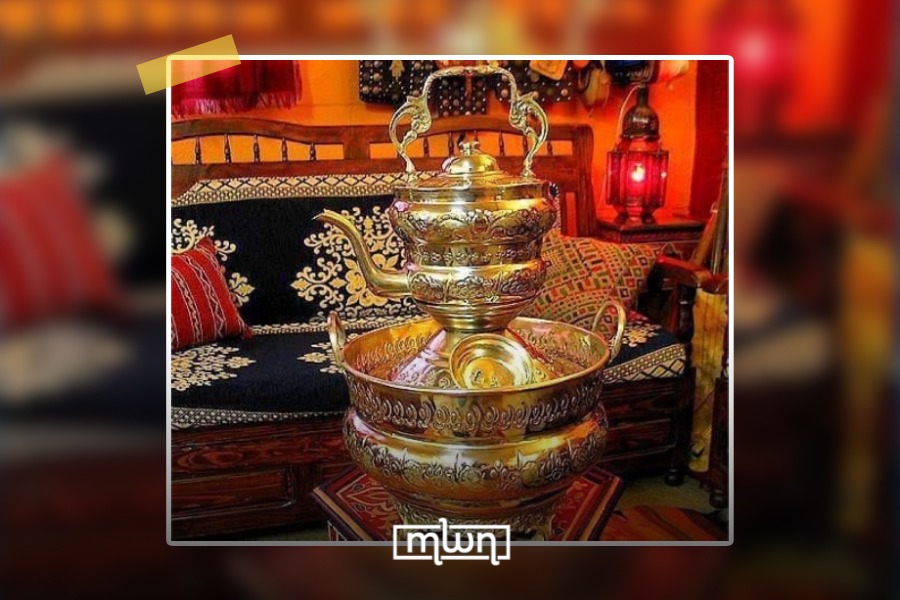
Long before modern plumbing, the chelal was an elegant fixture in Moroccan homes, where washing hands was not just a routine but a gesture of hospitality. Fez — In the heart of every Moroccan home, there was once an essential ritual that defined hospitality and tradition: the presentation of the “chelal” or “tass”. This beautifully crafted hand-washing set was more than just a practical tool; it was a sign of luxury, modesty, and deep-rooted cultural values. Before and after meals, guests would be offered the chelal to cleanse their hands, a gesture that symbolized warmth, respect, and the generous spirit of Moroccan hospitality. The tass consisted of a jug and a matching bowl, often made of brass or silver-plated copper, sometimes adorned with well designed engravings that reflected the craftsmanship of Moroccan artisans. Depending on the household, the level of ornamentation varied; some were simple and functional, while others were lavishly decorated, reserved for grand occasions and honored guests. Traditionally, when guests arrived, the host or hostess, depending on the nature of the visit, would bring out the chelal and gracefully pour water over the guests’ hands. This small yet meaningful act was a mark of refined manners, reinforcing the values of cleanliness and hospitality deeply embedded in Moroccan culture. Over time, the use of the chelal has faded from everyday life. Modern plumbing and changing lifestyles have made this once-indispensable ritual less common. Today, it is mostly seen in Moroccan weddings, where it is preserved as a nostalgic touch, reminding people of the beauty and elegance of old traditions. Despite its decline in daily use, the chelal has not disappeared entirely. It has found a new role as a decorative item in Moroccan homes, cherished for its aesthetic value and its link to the past. Many households still display handcrafted tass sets, often paired with a tea pot and a matching stand, keeping the spirit of the tradition alive in a modern form. The chelal is more than just a vessel for washing hands; it is a piece of Morocco’s cultural identity. It speaks of a time when hospitality was an art form, when every small gesture carried meaning, and when tradition was a big part of daily life. Though it may no longer be a household staple, its legacy continues to shine through special occasions and the love Moroccans have for their heritage. For those who visit Morocco, the sight of an old tass in a traditional home or at a wedding is a reminder of the country’s timeless charm, a small yet powerful symbol of respect, elegance, and the beauty of Moroccan traditions. Read also: The Traditional Riads of Morocco: A Blend of History and Modernity
The Moroccan Hammam: An Eternal Tradition

There’s one place in Morocco where time slows down, worries melt away, and generations connect. Welcome to the hammam! Fez– The Moroccan hammam is more than just a place to bathe. It’s a deep-rooted tradition that has been part of Moroccan culture for centuries. Even today, many Moroccan women visit the hammam at least once a week, keeping the rituals alive despite the rise of modern spas. There’s an old Moroccan saying: “Lalla Zina w zadha nour l’hammam” – which means that a woman becomes even more beautiful and radiant after leaving the hammam. This reflects how special the experience is. It’s not just about cleaning the body; it’s about relaxation, socializing, and following important life traditions. For Moroccan women, the hammam plays a role in many life events. As little girls, they learn about hygiene and beauty from their mothers. When they reach puberty, their families celebrate by taking them to the hammam for a special bath. Before a wedding, the bride prepares herself with a luxurious hammam session, surrounded by women from her family, who light candles and burn incense to create a spiritual atmosphere. After giving birth, a mother visits the hammam on the seventh day, where her family takes care of her, protects her from the evil eye with special rituals, and wraps her belly tightly to help her heal. For many women in the past, the hammam was one of the only places they could go freely, away from their husbands and mothers-in-law. It was a weekly refugee. It was a space to relax, chat, and even show off new clothes and jewelry. Mothers also took their daughters to find potential brides, watching other young women and suggesting matches for their sons. The hammam is also an important part of Morocco’s architectural heritage. Found in every old neighborhood, it usually has three connected rooms, with temperatures getting hotter as you move deeper inside. The final room has the “berma”, a large basin of hot water. Traditional hammams are still popular, with entrance fees of around 10 and 20 dirhams. However, modern spas now offer extra services like saunas and massages, costing between MAD 100 to 200 (USD 10 to 20 ) Some luxury wellness centers have even brought the hammam experience to other countries. Inside the hammam, professional bath attendants, called “ksala”, help customers scrub their bodies and remove dead skin. The most important bathing tools include black soap (saboun beldi), ghassoul clay for hair and skin, and the rough exfoliating glove known as kess. Before leaving, Moroccan women dry off with embroidered towels and perfume themselves with rose water or lavender. This is why Moroccans say, “Dukhoul l’hammam mshi bhal khroujou” – entering the hammam is not the same as leaving it. The experience transforms you, inside and out. Read also: The Brides’ Hammam Ritual: A Shared Experience in Moroccan Womanhood
The Sacred Art of Henna
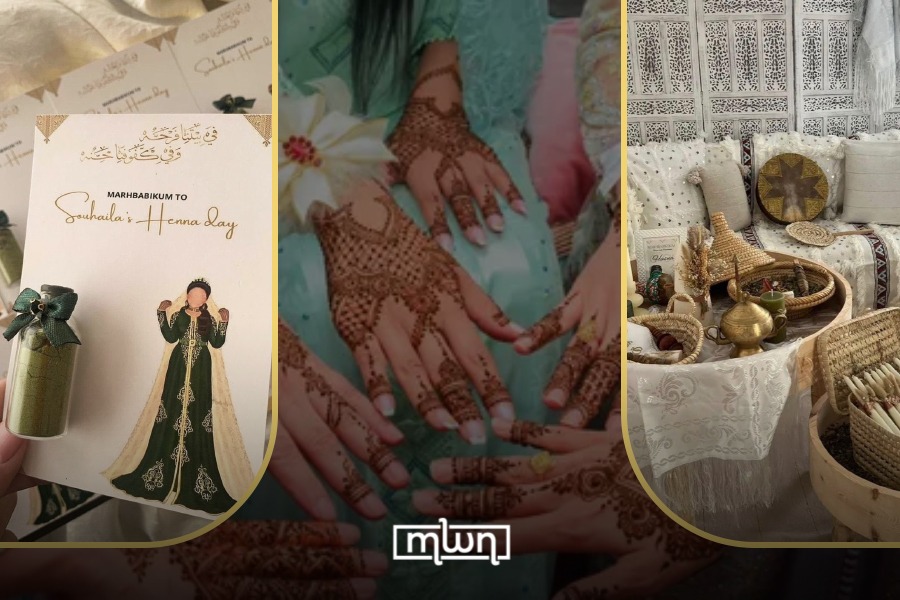
What ancient tradition holds the secret to Morocco’s celebrations? In Morocco, beautiful designs on women’s hands and feet are a tell-tale sign that an important celebration is coming. Fez– Henna, with its deep red and brown designs, is more than just a beautiful art form in Morocco. It is a symbol of tradition, culture, and celebration that has been passed down through generations. For Moroccans, henna is not just decoration, it is a connection to their roots, a sign of joy, and a blessing for special occasions. The art of henna in Morocco is woven into the country’s history. For centuries, Moroccan women have used henna to mark important life events, such as weddings, births, and religious celebrations. Applying henna is not just about the designs; it is a ritual that carries deep cultural meaning. It is seen as a way to bring good luck, ward off evil, and celebrate life’s happiest moments. Henna is most famously associated with Moroccan weddings. Before the big day, brides traditionally hold a “henna night”, where family and friends gather to celebrate. The bride’s hands and feet are adorned with artistic henna patterns, often featuring symbols for protection and blessings. This night is filled with music, laughter, and a strong sense of community. The henna is believed to bring luck and happiness to the bride as she starts her new life. But henna is not just for brides. It is also a central part of “Eid al-Fitr”, the sacred Muslim holiday marking the end of Ramadan. Women and children have their hands decorated with henna as a sign of celebration and renewal. The same goes for other important events like baby showers or the 7th-month “Sebaa Chhor”, where henna is used to bless the child and celebrate new life. Moroccan henna designs are known for their elegance and meaning. The patterns often include flowers, leaves, and geometric shapes, each with its own symbolism. These designs are not just random; they are carefully chosen to reflect beauty, strength, and protection. Skilled henna artists, often women who have learned the craft from their mothers or grandmothers, take pride in their ability to create stunning designs with precision and care. Henna’s importance goes beyond the events themselves. It represents a bond between generations. Mothers teach their daughters the art of making henna paste, creating patterns, and understanding its meaning. These traditions are passed down, ensuring that henna remains an essential part of Moroccan identity. In Morocco, no celebration feels complete without the presence of henna. It is a tradition that brings people together, reminds them of their roots, and adds a touch of beauty and meaning to life’s most important moments. Henna is not just an art form; it is the heartbeat of Moroccan culture. Read also: One City, One Must-See Spot: The Ultimate Moroccan Travel Itinerary
Moroccan Kids’ Songs: Timeless Tunes That Bring Back Memories
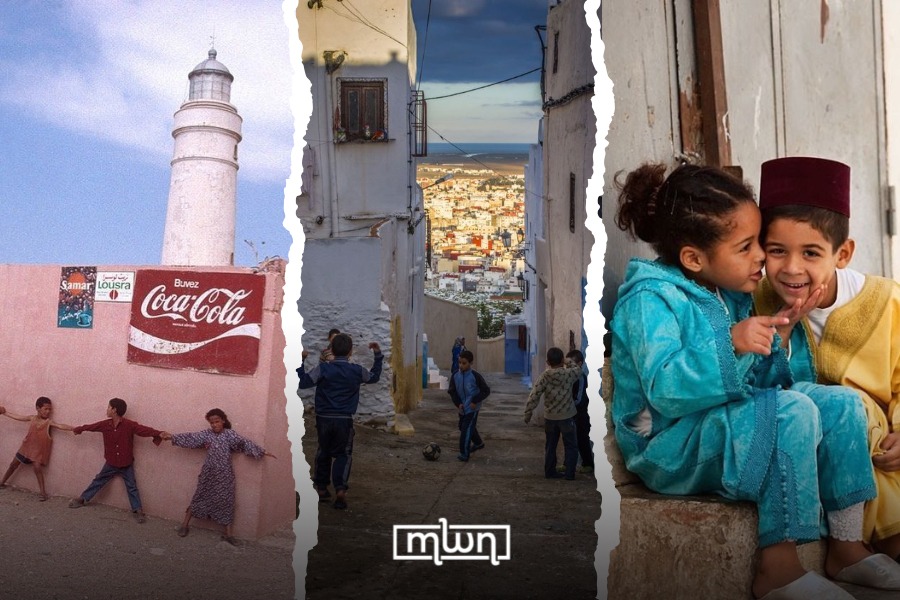
A core part of every Moroccan kid’s past lies a treasure box of childhood melodies, each carrying stories of laughter, culture, and simpler times. Fez- Moroccan childhood is rich with playful traditions, and one of the most enduring elements is the collection of catchy and imaginative kids’ songs. These Darija songs are simple yet full of charm, offering a glimpse into the innocence and creativity of growing up in Morocco. No technology was needed in our childhood—just laughter, games, and melodies passed from one generation to the next. Here are some iconic Moroccan kids’ songs that still resonate with those who grew up singing them: ‘1 2 3 Bak mcha l Sbata’ This playful chant translates to “Your father went to Sbata,” referencing a region in Casablanca. Kids often sing it while playing counting games or teasing each other in jest. The rhythm and humor made it a go-to song for group fun. ‘Achtatatatata a wlidat l’hrata’ This nostalgic song, loosely translated as “Oh rain, oh children of harvesters,” is a celebratory tune kids sing when winter begins and the rains arrive. It reflects Morocco’s deep connection to nature and farming, symbolizing hope and gratitude for the rainy season. ‘Tirira Tirira Laghda L’Hrira’ During Ramadan, this cheerful song echoes through Moroccan streets. Meaning “Tomorrow we’ll eat Harira,” it embodies the excitement of children anticipating the beloved traditional soup, harira, served to break the fast. ‘A Jrada Malha Fin Konti Sarha’ This translates to “Oh salty locust, where have you been wandering?” The quirky lyrics showcase the imagination of Moroccan kids, who often create games and chants around everyday creatures. ‘A L’Qre3 Malk Zerban A Sidi Klani Deban’ These humorous lyrics translate to “You bald man, why are you in a rush? The flies have eaten me, sir.” This song is often sung in a playful, teasing manner, bringing smiles and laughter to all who hear it. These songs are more than just entertainment—they are a cultural treasure, reflecting Moroccan society, seasons, and traditions. Their simplicity made them easy to remember, while their humor and relatability ensured they were passed down from child to child. Even though times have changed and kids today have access to technology and modern entertainment, these timeless songs remain a cherished part of Moroccan childhood. They bring back memories of carefree days, outdoor play, and the universal language of fun. Do you have a favorite Moroccan kids’ song that brings back memories? Read also: A Day in a Moroccan Home
Love, Lakes, and Lit Weddings: The Amazigh Festival That’s Tinder IRL
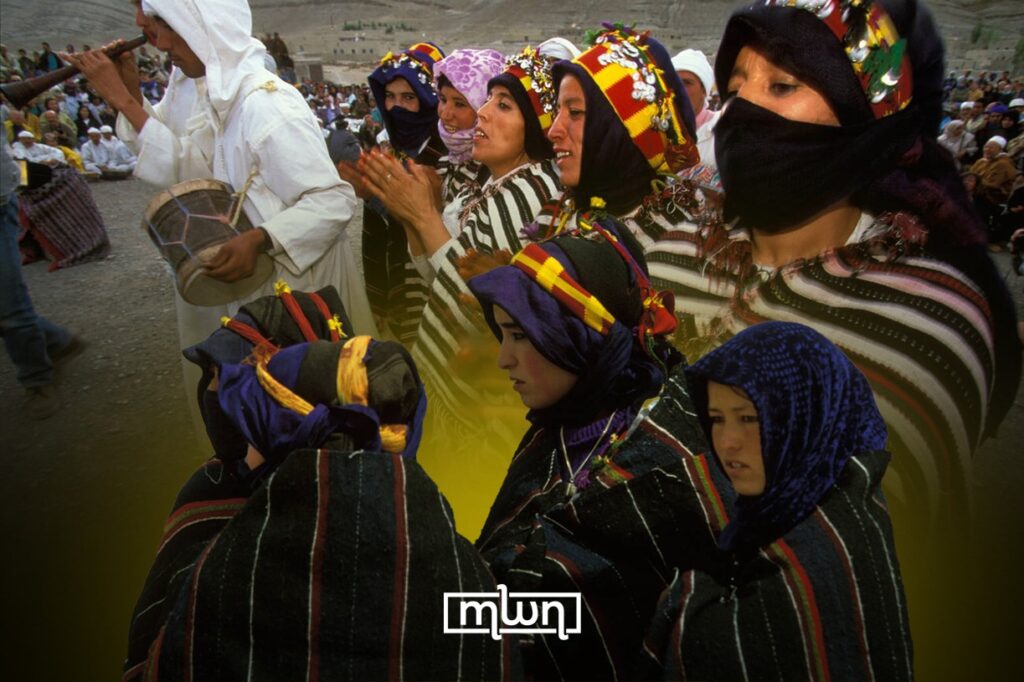
Imagine a festival where you can swipe right in real life but with drums, dancing, and no ghosting—intrigued yet? Fez – The Imilchil Marriage Festival, held annually in the village of Imilchil in Morocco’s Atlas Mountains, is a vibrant celebration deeply rooted in Amazigh traditions and folklore. This unique event, also known as the “September Romance,” brings together thousands of people from various tribes to honor love, cultural heritage, and communal bonds. The festival’s origins are entwined with a poignant Amazigh legend reminiscent of Shakespeare’s “Romeo and Juliet.” According to the tale, a young man and woman from rival tribes fell deeply in love but were forbidden to marry due to familial and tribal conflicts. Heartbroken, they are said to have died of sorrow, and their tears formed the neighboring lakes — Isli (his) and Tislit (hers) — near Imilchil. In their memory, the tribes established an annual event where members could freely choose their spouses, fostering unity and preventing such tragedies in the future. The 2024 Festival highlights The 2024 edition of the Imilchil Marriage Festival took place from September 19 to 21, attracting a diverse audience of locals and tourists eager to witness this cultural spectacle. The festival featured traditional Amazigh wedding ceremonies, where couples publicly declared their intentions to marry, accompanied by the blessings of their families and community elders. The event was marked by vibrant music, traditional dances, and colorful attire, showcasing the rich heritage of the Aït Yaazza culture. Upcoming 2025 festival Looking ahead, the 2025 Imilchil Marriage Festival is scheduled for September 19 to 21. As in previous years, it is expected to draw large crowds, including young men and women seeking partners, families, and tourists interested in experiencing this unique cultural event. The festival will continue to feature traditional wedding ceremonies, music, dance, and a lively market atmosphere. The Imilchil Marriage Festival serves as a fascinating intersection of tradition and modernity. While rooted in age-old customs, the festival has adapted to contemporary times, attracting global attention and fostering cross-cultural exchanges. This blend of the old and new prompts intriguing discussions about the preservation of cultural heritage in an increasingly globalized world. The Imilchil Marriage Festival not only celebrates love and unity but also raises thought-provoking questions about cultural preservation, traditions’ evolution, and tourism’s impact on Indigenous practices. So, whether you’re looking for love, vibing to epic Amazigh beats, or just in it for the Insta-worthy moments, the Imilchil Marriage Festival is the place to be. Who needs dating apps when you’ve got an entire village cheering you on? Mark your calendars for 2025, because who knows—you might just find your soulmate… or at least someone to share couscous with. Read also: A Flavorful Guide for How to be Vegan in Morocco
The Unseen Power of Traditional Moroccan Medicine: When the Unbelievable Heals

Have you ever heard of spitting on a rash to make it disappear? Moroccan medicine has some wild tricks that work. Fez – In a world dominated by modern medicine and scientific advancements, it’s easy to dismiss anything that doesn’t fit neatly into the textbooks. However, traditional Moroccan medicine has long held its ground, often providing cures for ailments that modern doctors either don’t acknowledge or cannot treat. While some of these practices may seem strange, it’s hard to argue with the undeniable results that have been passed down through generations. Take “Nar Al Farssia,” for example. This mysterious allergy commonly affects toddlers, causing red, itchy spots on their faces. Modern doctors can’t quite identify it and, therefore, offer no real treatment. Yet, in Moroccan traditional medicine, a woman called “Awada” is the go-to healer. With nothing more than a strange ritual involving her saliva—spitting on the red spots—the symptoms disappear almost instantly. It sounds bizarre, right? But in the world of Moroccan tradition, this “miracle cure” has been proven effective time and time again. Despite its oddness, the results leave people in awe, providing relief when modern medicine offers none. Then there’s “Boussefir,” a disease that makes your face and eyes yellow, and you become very tired, always nauseous, and faint more often if left untreated, which can lead to severe consequences like anemia or even hepatitis C. Doctors often can’t recognize it until it has progressed into one of these more severe conditions. But in traditional healing, there’s an approach that involves cauterization. First, a specialist woman cauterizes the toes and fingers, and then a man performs the same procedure on the hands. Miraculously, the illness starts to dissipate, and the patient feels a sense of relief that no prescription could provide. The proof is in the results The treatment sounds painful and primitive, but for many, it works when the medical establishment is still baffled. Perhaps the most puzzling of all is “Dalem,” a lump that appears under the ear on the side of the throat. This condition grows over time, eventually spreading to the other side, and left untreated, it can be fatal. Doctors fail to diagnose it, and modern medicine offers no solution. But in Moroccan tradition, a skilled “Awada” can mix henna with her saliva and apply it to the lump. Over time, the lump dries up and disappears, leaving no trace behind. The healing is swift and undeniable, offering a sense of closure to those who’ve been frustrated by modern medicine’s inability to help. It’s easy to be skeptical of treatments that seem so far removed from the scientific methods we rely on today. But if you ask any Moroccan who has experienced these cures firsthand, they’ll tell you that the proof is in the results. Despite the oddity of the treatments, the healing they bring is real, and for many, it offers a solution when doctors have nothing to offer. While modern medicine has made incredible strides, these traditional practices remind us that there’s more to health than what’s written in the latest medical journals. In the end, the magic of traditional Moroccan medicine lies not just in its mystery, but in the tangible relief it brings to those who seek it. Honestly, the list of these wild Moroccan remedies could go on forever, but that’s all for today—hit us up if you want to hear more crazy cures! Read also: Suraj Varma’s Expertise Arrives at the Royal Mansour Spa in Casablanca
A Love Letter to Morocco’s El Guerrab
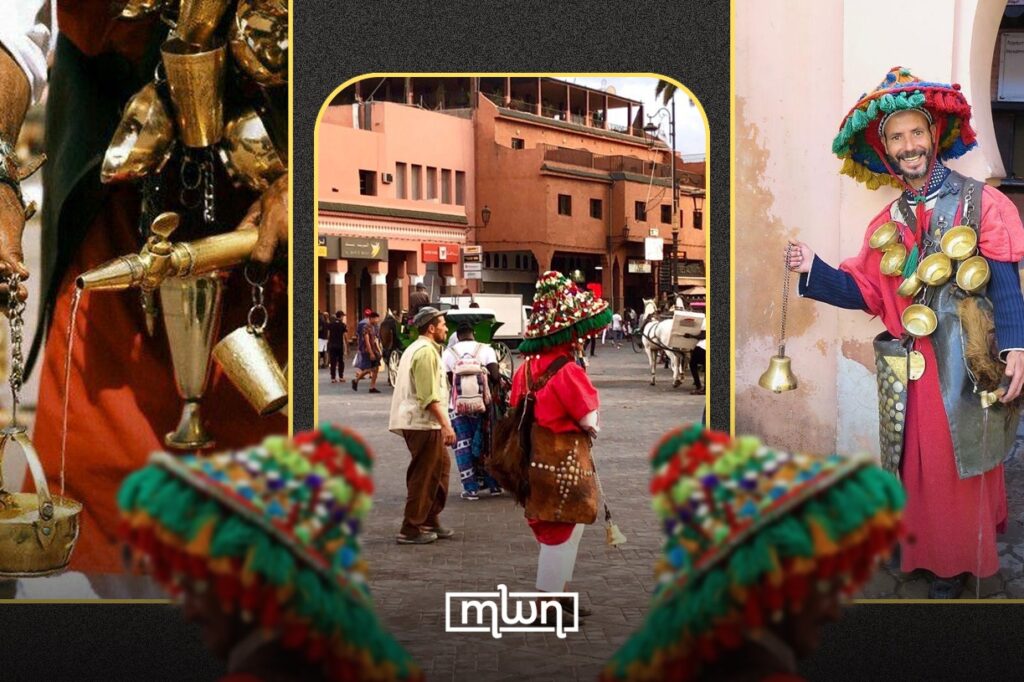
You’ve seen them — perhaps in the corners of your mind or, if you’ve been lucky, in the sun-drenched streets of Marrakech. Marrakech – The El Guerrab, or Moroccan water sellers, aren’t just vendors; they’re something of a living legend — steeped in history, yet still very much a part of the present. Draped in their vibrant red costumes, they walk the bustling streets, offering water to parched wanderers with a jingling of ornate copper cups and a smile that says, “I’ve got what you need.” But here’s the thing: beyond the thirsty tourist’s fascination with their colorful attire and charismatic sales pitch, the El Guerrab represents something deeper. They are a symbol of Morocco’s unshakable tradition, a reminder of the small yet profound moments that give life its richness. We’ve all been there, haven’t we? Exploring a foreign place, overwhelmed by the heat of the day, the chaos of the medina, and the clamor of bargaining and chatter. And then comes the El Guerrab. The clink of his brass cup catching your attention, the gentle offer of water, a simple, yet sacred gesture. For many Moroccans, the El Guerrab is not just a water seller, but a fixture in the urban landscape. It’s a profession that’s practically unchanged: copper cups, vibrant clothing, and the same humble transaction: water for a few dirhams. Read also: What Oriental Dance Teaches Us About Feminine Energy Yet in the age of bottled water and modern conveniences, the El Guerrab might seem like an oddity — more of a storybook character than a practical necessity. But perhaps that’s what makes them so magical. They remind us of the simple joys of slowing down, of letting tradition weave its way into our busy lives. In a world where everything feels fast, loud, and disposable, the El Guerrab is a pause — a moment to connect to something timeless. Yes, the El Guerrab may not be as prominent as they once were, with modern innovations taking over. But they persist. They walk through the streets, often in pairs, sharing a quiet camaraderie, a shared understanding of their place in a rapidly changing world. And when they offer you that cup, with the promise of refreshment, they’re not just quenching your thirst — they’re offering you a sip of Morocco’s soul. As you take a sip, pause. Appreciate the moment, the man, and the centuries of tradition wrapped up in that one simple transaction. Because in a world that feels ever more disconnected, the El Guerrab is an enduring reminder of the beauty to be found in the most fleeting encounters