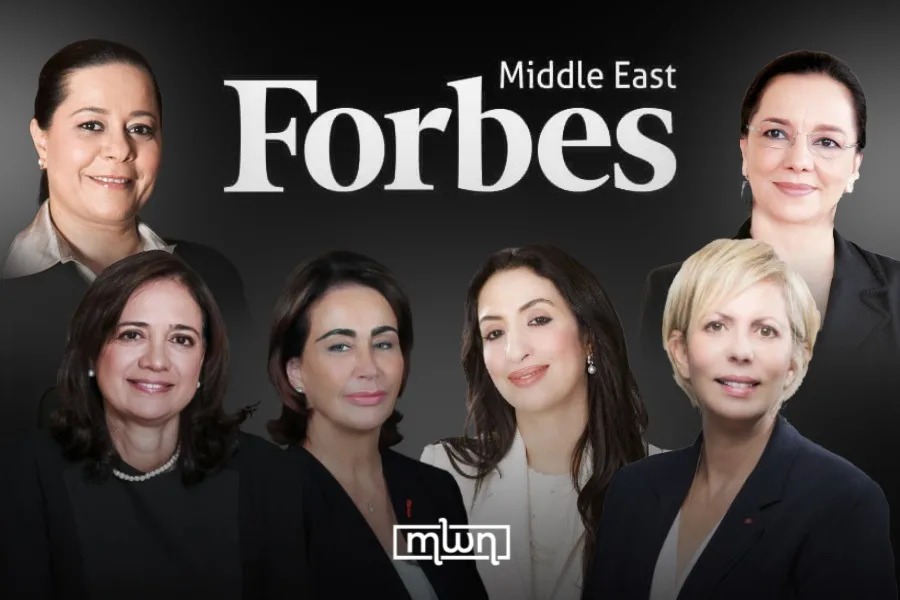
Fez — Morocco is represented by six business leaders in the latest edition of Forbes Middle East’s “100 Most Powerful Arab Businesswomen” list, reflecting the country’s growing female presence in senior economic and financial decision-making.
The Moroccan women featured rank between ninth and 68th globally, showing influence across public regulation, industry, banking, retail, and diversified corporate groups.
The highest-ranked Moroccan on the list is Nezha Hayat, who places 9th overall. Hayat chairs the Moroccan Capital Market Authority, a position she has held since 2016. She oversees Morocco’s capital markets, playing a central role in regulation, transparency, and investor confidence, and is widely regarded as one of the most influential figures in North African finance.
At 35th, Rita Maria Zniber represents Morocco’s industrial and agri-food sector. As CEO of Diana Holding, she leads one of the country’s major food and beverage groups, with activities spanning agriculture, processing, and exports. Her ranking reflects the strategic importance of agri-industry within Morocco’s economy.
Just behind her at 36th is Saida Lamrani, Associate Vice President at Safari Group. Lamrani has built a profile in diversified corporate management, contributing to the group’s expansion and positioning in multiple sectors.
Ranking 52nd, Miriam Bensalah Chaqroun remains one of Morocco’s most prominent corporate figures. She serves as CEO of Les Eaux Minérales d’Oulmès and sits on the board of Holmarcom Group. Long active in employer organizations and economic advocacy, her influence extends beyond corporate management into national business policy debates.
At 59th, Laila Mamou represents Morocco’s consumer finance sector. As CEO of Wafasalaf, she oversees one of the country’s leading credit institutions, operating at the intersection of banking, household finance, and financial inclusion.
Completing the Moroccan contingent at 68th is Salwa Idrissi Akhannouch, chair and CEO of Aksal Group. A key figure in Morocco’s retail and luxury landscape, she has played a central role in bringing international brands to the local market while also investing in hospitality and cultural initiatives.
Together, these six women underline Morocco’s diverse women in leadership across both public institutions and private enterprise. Their presence in the Forbes ranking signals not only individual achievement, but also the country’s broader integration into regional and global economic networks where women increasingly occupy positions of strategic power.