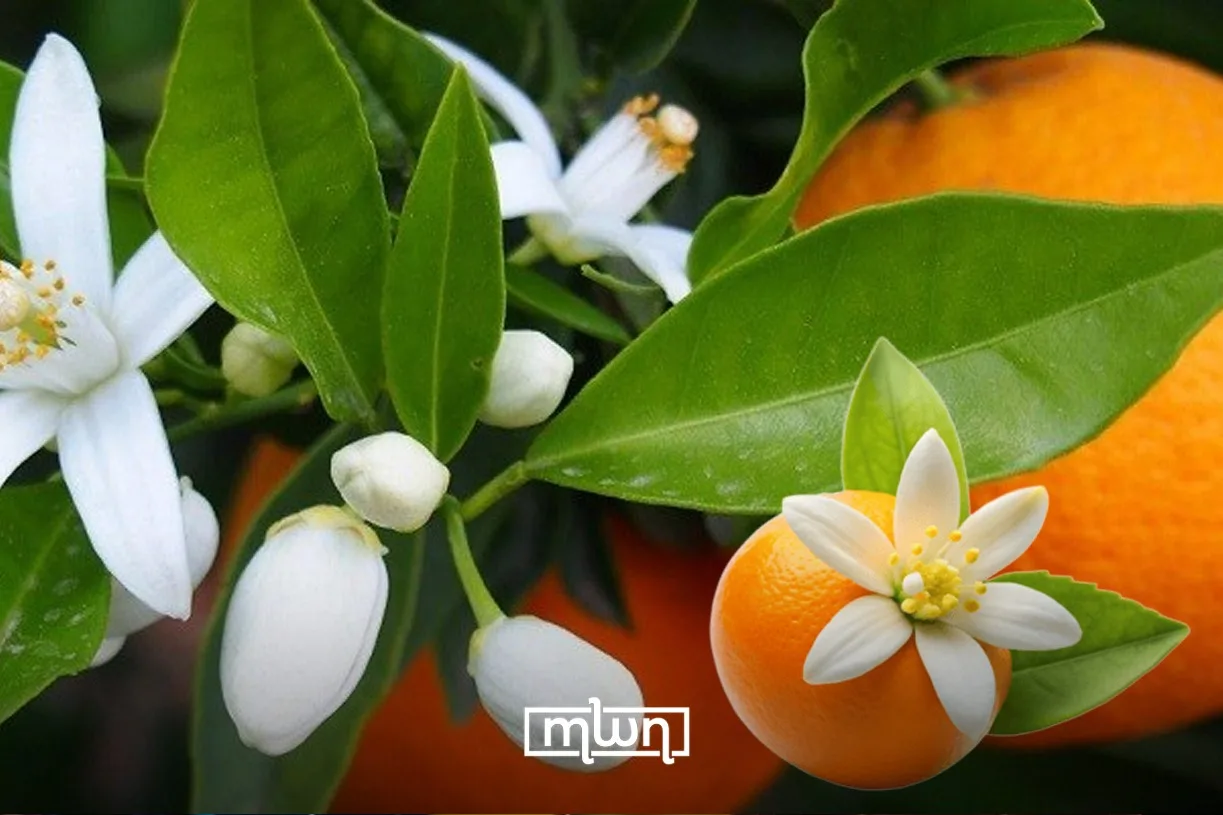
Fez — In Morocco, spring has its own smell, and it comes from zhar (orange blossom).
For a few short weeks, the white blossoms of the bitter orange tree appear across streets, medinas, courtyards, and public squares. In cities such as Fez, Marrakech, Meknes, Rabat, and parts of Casablanca, the season brings back a familiar scene: children and families moving from tree to tree, picking fresh blossoms or gathering fallen ones in plastic bags, baskets, or the corners of their clothes.
It is a small ritual, but a visible one. What looks like a simple spring habit is also a form of seasonal work. The flowers are too valuable to ignore and too fragile to waste. Some households collect zhar for their own use. Others sell it to women and traders who will take it to be distilled into ma zhar, or the orange blossom water found in kitchens, ceremonies, and Moroccan hospitality.
The practice sits somewhere between memory and necessity. For many children, it is one of the first ways they learn that a city tree can become part of the home economy.
The blossom is not only beautiful and good-smelling. It can be gathered, carried, sold, and transformed.
From zhar to ma zhar
Once collected, the blossoms are taken for taqtar, the distillation process that turns fresh zhar into ma zhar. The flowers are heated with water, and the steam is captured and cooled into a fragrant liquid. The result ends up everywhere in Moroccan life: in pastries such as kaab el ghzal, in some coffee and tea preparations, and in the gestures of welcome that still define many homes. A few drops on the hands, a light floral scent in a room, and the season continues long after the blossoms are gone.
Marrakech is often the city most associated with this tradition because of its famous orange trees and its long link to springtime distillation. But the ritual is not limited to one place. Across Morocco, zhar season returns with the same logic. The trees bloom. Children notice first. Bags fill quickly. Buyers appear. By evening, what was hanging on a public branch in the morning may already be on its way to becoming ma zhar.
That is what gives the season its staying power. It is not just about fragrance or nostalgia. It shows how Moroccans continue to turn an ordinary part of the urban landscape into something useful, shared, and deeply cultural. In the space of a few spring days, a flower becomes a product, a household ingredient, and a memory all at once.