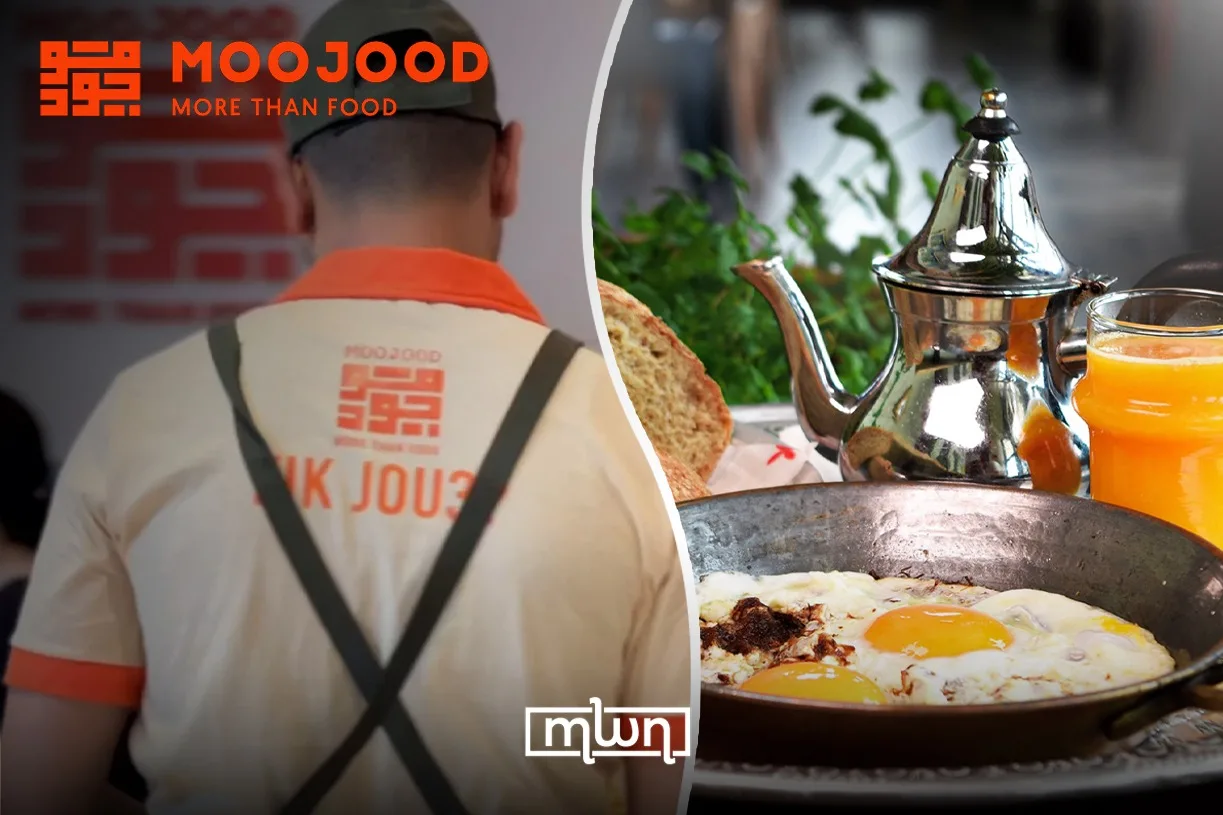
Fez — Moojood has built its identity around a simple idea: Moroccan street food does not need to choose between tradition and convenience.
The brand, officially styled as “Moojood – More Than Food,” presents itself as Morocco’s first national restaurant concept specializing in Moroccan gastronomy and street food, with a focus on healthy, flavorful dishes inspired by local terroir. Its own platform describes the concept as a network of producers, cooks, and food professionals working around Moroccan ingredients and culinary heritage.
That positioning places Moojood inside a growing shift in Morocco’s urban food scene. Young professionals, students, travelers, and families increasingly want meals that are fast, affordable, and familiar, but not reduced to the generic burger-and-fries model of global fast food.
Moroccan food, fast-good format
Moojood’s language is built around “natural street food,” with the brand using slogans such as “Easy! Healthy! Tasty!” across its public profiles. Its Instagram page lists locations including Rabat Agdal station, Casablanca CIL, UM6P campus, and “Le Marché Dar Essalam” in Rabat.
The menu leans into recognizable Moroccan staples: ftour items, harcha, msemmen, batbout, grilled kefta, saikouk, raib, fresh juices, soups, and salads. On LinkedIn, Moojood describes itself as a Rabat-born fast-casual, or “fast good,” concept that reinvents traditional recipes for today’s rhythms without betraying the country’s culinary inheritance.
That promise is the heart of the brand. It does not try to make Moroccan food look foreign. Instead, it repackages familiar flavors into a cleaner, quicker, more contemporary restaurant model.
Terroir as a selling point
Moojood also tries to distinguish itself through sourcing. Its website highlights ingredients such as beef from Oulmès, specifically the Moroccan “Brune de l’Atlas” breed, used in preparations including charcoal-grilled kefta. The brand also points to ancestral durum wheat flour from the Middle Atlas for its bakery range.
This is not just menu copy. It reflects a wider Moroccan consumer trend: more diners want food that feels local, traceable, and culturally meaningful, especially as international chains continue expanding in major cities.
Moojood’s bet is that “local” can be modern. A batbout sandwich, a bowl of soup, or grilled kefta can belong as naturally in a train station, campus, or business district as any imported fast-food format.