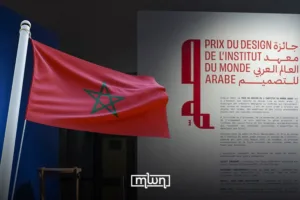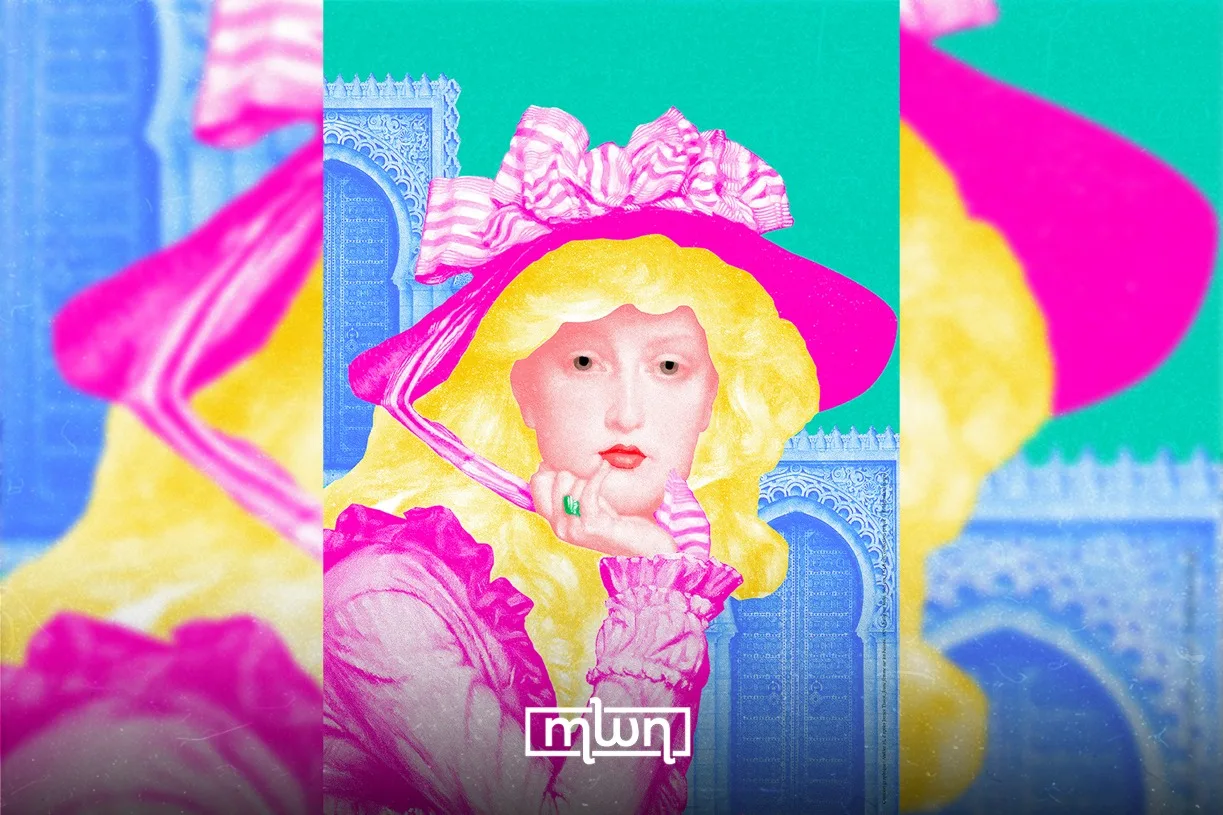
Fez — Morocco will be the guest country at the 15th Festival de l’histoire de l’art (Festival of Art History) in Fontainebleau, becoming the first African country to receive the honor in the event’s history.
The festival will run from June 5 to 7 at the Château de Fontainebleau and across the city, with more than 300 free events centered on this year’s theme, fashion. Morocco will occupy a major place in the program, with 87 events exploring the country’s artistic heritage from prehistory to contemporary creation.
Organized by the Institut national d’histoire de l’art and the Château de Fontainebleau, the anniversary edition will bring together conferences, debates, workshops, film screenings, concerts, performances, guided tours, family activities, and public-speaking events.
Morocco through art, fashion, and memory
Morocco’s presence gives the festival a wide historical and cultural frame. The program focus the country as a crossroads between Europe and Africa, the Mediterranean and the Atlantic, with a heritage shaped by African, Arab, Amazigh, Jewish, and Mediterranean influences.
The Moroccan focus will move from archaeological sites and medieval cities to architecture, anthropology, traditional arts, photography, cinema, and fashion. This range places Morocco not as a decorative theme, but as a full artistic subject across centuries.
Several major exhibitions and public installations are already part of the Moroccan program. “Before It’s Gone” by M’hammed Kilito is on display until June 15 on the forecourt of the Fontainebleau-Avon train station. “Casablanca Not the Movie” by Yoriyas occupies public space until June 30, while “Les Marocains” by Leïla Alaoui is open until June 28 at the municipal media library.
Fashion will also bring Moroccan heritage into sharp focus. The program includes events around Jean Besancenot’s work documenting Moroccan costumes, jewelry, and ornaments in the first half of the 20th century. Other sessions will explore Amazigh jewelry, the golden caftan, Moroccan embroidery, and the place of Moroccan caftans in museum exhibitions and heritage collections.
The festival will also revisit Morocco through major artistic figures connected to the country’s visual imagination, including Yves Saint Laurent, Eugène Delacroix, Robert Rauschenberg, and Cy Twombly.
Cinema and contemporary creation will deepen the Moroccan presence. Screenings include “The Blue Caftan” by Maryam Touzani and “Haut et Fort” (“Casablanca Beats”) by Nabil Ayouch, while Moroccan artists and writers such as Hassan Darsi, Rim Battal, Fatima Mazmouz, Abdellah Taïa, Salima Naji, and Amina Agueznay are part of the wider program.
Morocco’s role at Fontainebleau comes at a moment when its cultural heritage is increasingly visible in international museums, festivals, and contemporary art spaces. The country’s selection as the first African guest country gives that momentum a symbolic platform in France, where art history, fashion, colonial memory, and contemporary creation remain deeply connected.
Through nearly 90 events, the festival offers more than a showcase. It presents Morocco as a living archive, where ancient sites, craft traditions, clothing, cinema, photography, and present-day artistic voices continue to shape how the country is seen across the world.